Elon Musk Cancels Netflix Subscription After Controversy Over ‘Dead End’ Creator’s Remarks

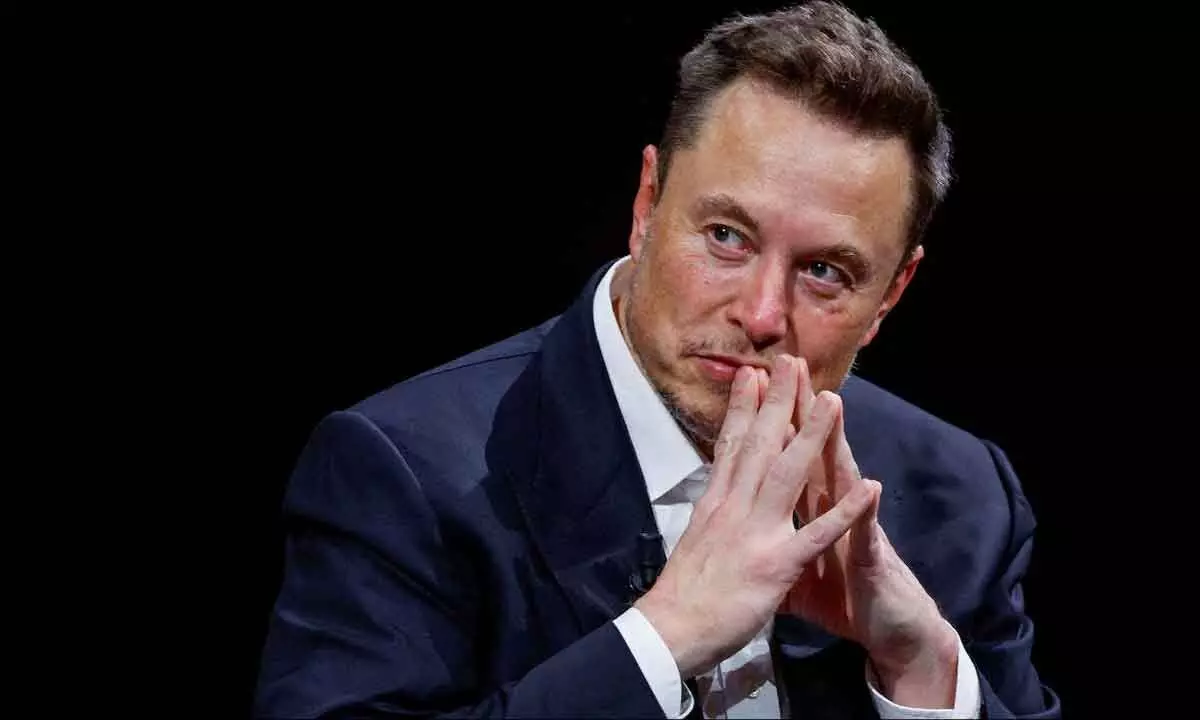
Elon Musk cancelled his Netflix subscription, citing concerns over the platform’s association with controversial remarks from ‘Dead End’ creator Hamish Steele.
Elon Musk has once again stirred debate online, this time by cancelling his Netflix subscription. The billionaire entrepreneur took this step after controversy erupted around Hamish Steele, the director and creator of the animated Netflix series Dead End: Paranormal Park.
The dispute began when Steele made a heated social media post directed at conservative activist Charlie Kirk. The message, which contained expletives, referred to Kirk as a “nazi.” The post came shortly after Kirk’s killing, and it spread rapidly across social media platforms. Many users accused Steele of mocking the death of a right-wing figure while simultaneously using offensive and divisive language.
Supporters of Steele, however, argued that his remarks were taken out of context and that critics were misrepresenting his intent. Yet, the situation escalated further when screenshots of Steele’s past social media activity began resurfacing, raising fresh concerns and adding momentum to the backlash.
What turned the controversy into a broader cultural flashpoint was the involvement of prominent figures. Among them was Matt Van Swol, a former Department of Energy nuclear scientist, who criticized Netflix directly. In a widely shared post, Van Swol wrote:
“If you employ someone who celebrated the murder of Charlie Kirk and makes content that pushes pro-trans content on my kids... you will NEVER get a dime of my money.”
This statement struck a chord with many on the political right who were already skeptical of Netflix’s content and corporate culture. It was Musk’s response, however, that amplified the issue on a global scale. Reacting directly to Van Swol’s post, Musk gave his unfiltered stance in a single word:
“Same.”
That one-word reply confirmed that Musk, who is never far from online controversies, had also cancelled his Netflix subscription. His reasoning appeared to align with Van Swol’s: a refusal to financially support a platform employing creators who, in their view, cross a line in their public commentary and ideological stance.
Musk’s action immediately drew attention across news outlets and social media. Supporters applauded his stand, praising him for highlighting what they perceive as the excesses of certain entertainment creators and the platforms that amplify them. Critics, however, accused Musk of overreacting, arguing that boycotting streaming services over individual creators’ remarks sets a troubling precedent.
The fallout also shines a spotlight on Netflix itself. The streaming giant has been navigating a cultural and financial balancing act in recent years. On one hand, it champions inclusivity and diverse storytelling; on the other, it faces growing criticism from some viewers who believe certain shows or creators push divisive narratives. The Steele controversy only adds to Netflix’s challenges in managing public relations amid a polarized cultural climate.
For Musk, the decision appears straightforward. By aligning himself with critics of Steele, he has reinforced his broader image as a figure unafraid to take public stances against institutions or individuals he perceives as ideologically extreme. Whether his move will spark a larger wave of Netflix cancellations remains to be seen.