




- Elon Musk warns of ‘guppy-level death’ for AI startups
- Five face travel restrictions as Chennai Police widen Veeramani POCSO probe
- Kerala judge booked in fatal crash, police to seek teen’s bail cancellation
- Four charred to death as car catches fire in MP's Dhar
- iPhone Duo Display Issues: iFixit Finds Possible Cause
- From Hand Hygiene to Vaccination: 7 Expert Tips to Prevent Infections
- TN teachers push for cameras, stricter supervision at public exam centres
- Jamia Announces Student Union Elections After 20 Years, But Protesters Reject Move
Elon Musk warns of ‘guppy-level death’ for AI startups
In Short
Elon Musk warns that smaller AI cloud firms could face consolidation as rising infrastructure costs and tighter lending squeeze underfunded startups.

Share :
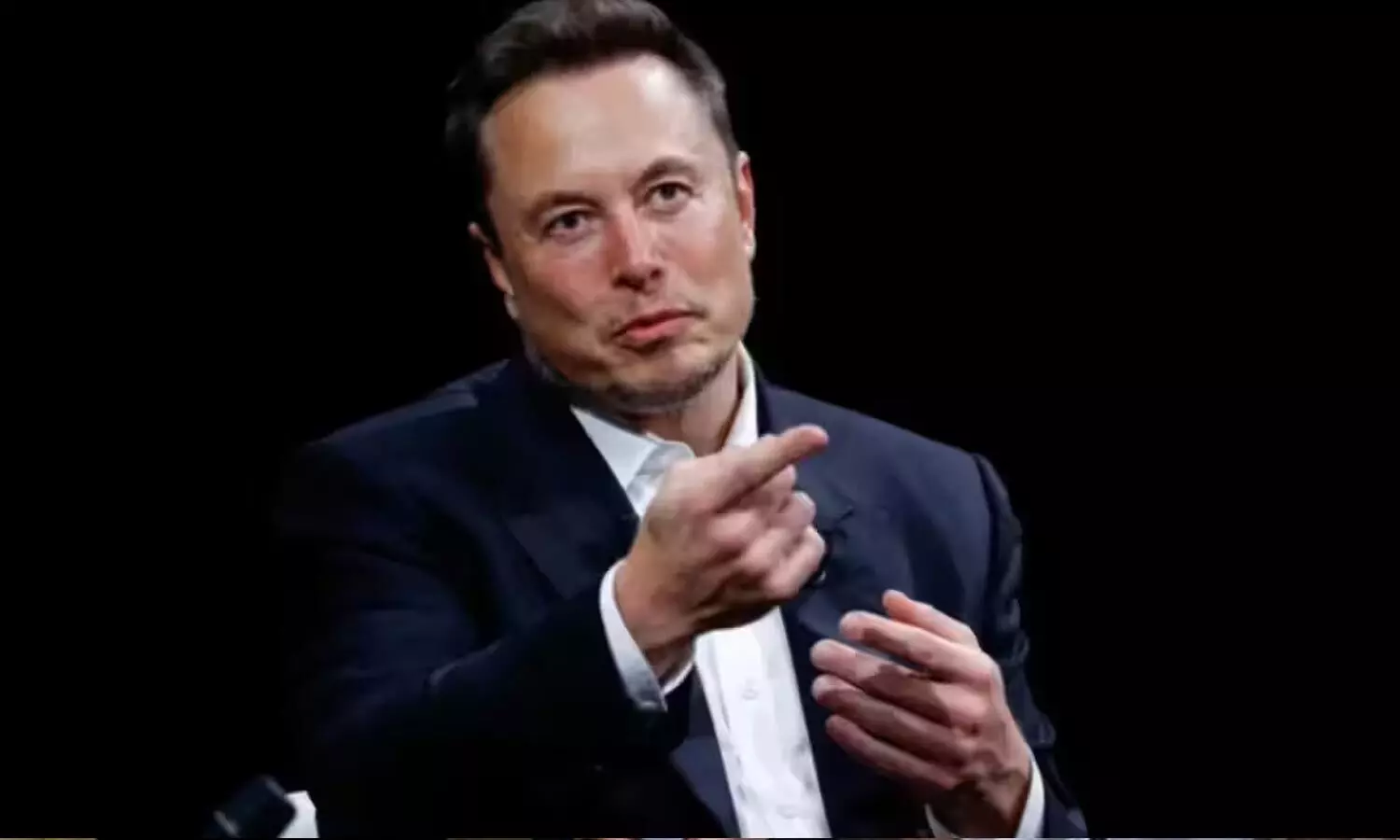
Elon Musk
The big rise in intelligence has made people need more computer power than ever before. Elon Musk thinks that the fast growth might soon show a big problem in the industry. That problem is not money that can last a long time.
In a post on X, which used to be called Twitter, Musk said that many small AI cloud companies might have a hard time staying open. He explained that banks are getting more careful about giving money for building data centres. This could make it tough for those smaller companies to keep going.
Musk predicted that the industry will see "a lot of stranded compute in partially complete data centers". He said debt markets, which companies depend on to finance large infrastructure projects, have largely stopped lending to businesses whose primary source of income comes from AI data centres.
Smaller neoclouds face growing pressure
Musk's warning is particularly focused on smaller cloud providers, often referred to as "neoclouds". These companies typically purchase expensive AI chips and rent computing capacity to businesses developing or running AI applications.
"That means the 200+ neoclouds are going to see guppy-level death and consolidation," Musk wrote. His comments suggest that while some companies may manage to survive, a large number could be forced out of the market or absorbed by stronger competitors.
The challenge is largely financial. Building AI data centres requires huge investments in GPUs, networking equipment, cooling systems and electricity infrastructure. With lenders becoming more selective, companies without reliable revenue streams may find it increasingly difficult to raise the billions needed to expand.
Why SpaceX secured $40 billion
Musk also highlighted a sharp contrast between smaller AI infrastructure companies and his own aerospace company, SpaceX.
He said SpaceX recently secured $40 billion in debt to purchase GPUs, despite the broader tightening in financing. "SpaceX closed $40B of debt for GPUs, but we’re investment grade and have Starlink & launch revenue," Musk said.
SpaceX's established businesses, including rocket launches and Starlink satellite internet, give lenders additional confidence that the company can support such a large financial commitment.
Is 2027 a turning point?
Musk's comments followed similar concerns from venture capitalist Chamath Palihapitiya, who described 2027 as potentially a "turbulent year" for AI infrastructure.
Data-centre construction is already facing delays linked to limited power availability, regulatory approvals and opposition from local communities. Companies also face risks if promised infrastructure capacity fails to become operational on schedule.
That could leave expensive GPUs sitting unused in warehouses or partially completed facilities.
For the AI industry the message is getting clearer: having the latest technology, by itself might not be enough. Businesses will also need money, steady income and the skill to finish big projects. As companies keep spending more on AI, smaller and less supported companies might find it harder and harder to match the companies that have more money.

Owaisi’s ‘Abdul’ Pitch Irks Akhilesh Yadav. Puts SP on the Defensive
Rahul Gandhi’s convoy vehicles collide on Purvanchal Expressway in UP; several injured
Rahul Gandhi’s Convoy Meets with Accident on Way To Sultanpur
PM Modi congratulates Brazil's Lula on 'remarkable' win, says looking forward to deepening ties
Congress govt anti-farmer, fails to release drought relief: Karnataka BJP
Mamata Banerjee seeks district-wise reports on her party's local leaders, workers


