




- Congress assured of defeat in future elections, says Karnataka BJP's Chalavadi Narayanaswamy
- UP: Rs 8 lakh compensation for lives lost in disaster, 30 pc higher compensation for crop losses
- 1984 anti-Sikh massacre trials conducted like institutional fraud, says former judge
- BJP leader Ravi Kumar demands apology from Priyank Kharge over ‘village idiot’ remark
- Karnataka CM Shivakumar to attend LoP Gandhi's meeting in Delhi, call on Union Ministers
- Anil Ravipudi And Venkatesh’s January 12 Vidudala Team Heads To Kazakhstan
- Mahesh Babu Too Heaps Praises On Nitish Tiwari’s Ramayana
- OpenAI Launches GPT-6 Cyber, Uncovers 81 Firefox Flaws and 948 Linux Exploits
AP Assessing Cyclone Damage: Relief and Rehabilitation to Continue
In Short
Meanwhile, the government will continue the relief and rehabilitation programme until assistance reaches the last affected person, said Chief Minister N Chandrababu Naidu while talking to reporters at Returu Village in Guntur district.

Share :
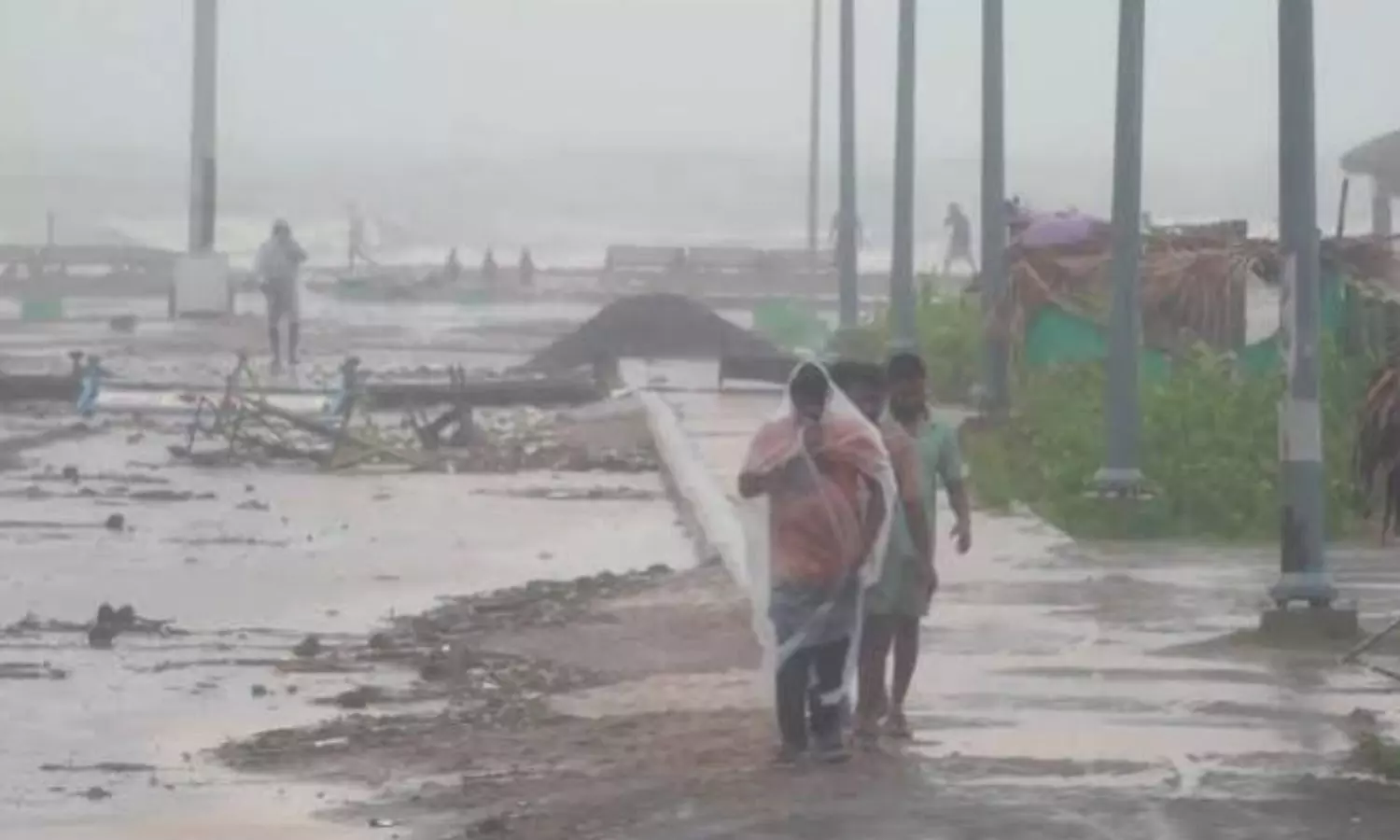
Andhra Pradesh government is assessing the damage caused by the two cyclones
Andhra Pradesh government is assessing the damage caused by the two cyclones, Arnab and Murasu, which wreaked havoc within a gap of a couple of days, and would seek liberal central assistance.
Meanwhile, the government will continue the relief and rehabilitation programme until assistance reaches the last affected person, said Chief Minister N Chandrababu Naidu while talking to reporters at Returu Village in Guntur district. He said extensive damage has been caused by the Murasu cyclone in Guntur, Bapatla and Prakasam. Farmers suffered losses just when their crops were ready for harvest.
He said farmers had already faced difficult conditions due to El Nino but cultivated crops after receiving water through the Pattiseema project, adding that Cyclone Murasu struck when their crops were nearing harvest and expected to yield well. Murasu crossed the coast on Tuesday between Nellore and Narsapur, near Ongole.
He said the government was seeking assistance from Telangana, Karnataka and Tamil Nadu for cyclone relief operations. Around 30,000 electricity poles uprooted during Cyclone Arnab had been restored, while another 10,000 poles were damaged during Cyclone Murasu. Electricity supply to aquaculture ponds was also being restored at the earliest.
The CM said precautionary measures taken by the government helped minimise property damage and enabled relief operations to be undertaken swiftly. He urged people not to take cyclone warnings lightly when advance alerts were issued.
He further said the government was creating widespread awareness to ensure every farmer enrolled for crop insurance, adding that farmers could recover their lost investments through crop insurance and input subsidies.
Naidu said a comprehensive assessment of the damage caused by both cyclones was underway and the government had been regularly sharing information with the Centre. Prime Minister Narendra Modi had also enquired about the impact of the cyclones, he said.
The government would continue working until relief reached every affected person, he said and promised to find a permanent solution to the Nallamada drain problem.
Referring to the erstwhile YSRCP government's tenure between 2019 and 2024, Naidu said "extensive destruction" had occurred in the state during that period.
Naidu said while coastal districts were battered by cyclones, El Nino had affected Rayalaseema, where water scarcity persisted. Central teams had also visited the region to study the drought situation, he said.
Pointing out that water from coastal areas was flowing into the sea while Rayalaseema faced shortages, he said the government was according top priority to water security and efficient management of available resources.
Earlier, Naidu visited cyclone-hit villages in Bapatla district and inspected agricultural fields inundated by Cyclone Murasu.
At Jillellamudi, he inspected submerged paddy fields and interacted with farmers to assess the extent of crop damage and the investments they had made in cultivation, a press release said.
Farmers told him that their crops had been damaged just before harvest. They recalled the government's support in supplying water during drought conditions.
Naidu asked the farmers whether they had enrolled under the crop insurance scheme and said insurance coverage and input subsidies could provide relief in the event of natural calamities.
He said awareness about crop insurance would also be increased among farmers.
The CM inspected the flow of floodwater near the Jillellamudi bridge, where officials briefed him on inundation in several areas due to the heavy flow of water in the stream.
Farmers raised concerns over damaged gates of the Nallamada stream and sought their repair. Naidu directed officials to submit proposals for repairing the existing gates or installing new ones.
He asked officials to examine measures to prevent floodwater from entering agricultural fields and ensure its effective utilisation.
The CM later inspected road stretches damaged by erosion between Jillellamudi and Returu.
Farmers from Returu told him that they had cultivated crops using water supplied through the Pattiseema project but had suffered losses due to the cyclone.
Naidu said planning water releases ahead of the cropping season could help minimise crop losses during cyclones, it said.
He also referred to the Polavaram project in this context, highlighting its role in facilitating early cultivation.
At Returu, the CM inspected inundated paddy fields and enquired about the progress of crop damage assessments.
He interacted with representatives of Water Users Associations and sought details about the removal of weeds and other obstructions from canals and sluices to ensure the smooth flow of water.
Severe cyclonic storm Murasu crossed the Andhra Pradesh coast between Nellore and Narsapur, near Ongole, on Tuesday, claiming eight lives, officials said.
Five deaths were reported in Bapatla district, two in Guntur and one in Palnadu.
The state government has released Rs 37 crore to the affected districts for immediate relief, according to a press release.
A preliminary assessment showed that crop damage was reported across 1.4 lakh hectares, affecting more than 1.8 lakh farmers. Horticultural crops were damaged over 6,749 hectares, impacting 12,586 farmers.
The state government has pegged the damage caused by Cyclone Murasu, according to preliminary estimates, at Rs 1,919 crore.
Ponnam Announces Hike in BC Study Circle Students’ Stipends
Adopt preventive healthcare, healthier habits this Dhanteras: PM Modi
Congress opposes SIR process, govt cannot take a different stand: Karnataka Dy CM
No relief for Tarun Tejpal as SC rejects plea for suspension of sentence
Congress stalled development in Uttarakhand in fear of Chinese intrusion: HM Shah
CM Chandrababu condoles death of seven TN fishermen in boat accident


