




- KIIFB row rocks Kerala Assembly, CM Satheesan attacks former Left govt
- Instagram Takes Aim at YouTube With 90-Minute Features
- Nayanthara Pens An Emotional Note Ahead Of Mookuthi Amman 2 Release
- Bihar MLC polls: Ram Kripal Yadav says NDA setback in Teachers’ seat matter of concern
- Qatar KMCC heist: Kerala Police collect evidence at airport, accused’s house
- Scene: Suriya's Cop Drama Clears Censor Formalities
- Who was Neeraj Yadav? Three-time Asian Para Games Gold Medallist Died At The Age Of 42
- CM Chandrababu writes to Amit Shah on impact of cyclone Arnab
Cyclone Arnab Leaves Trail of Destruction in AP
In Short
In Visakhapatnam, waterlogging was reported on several roads and highways. The sea remains very rough, while trees and electric poles have been uprooted in many places.

Share :
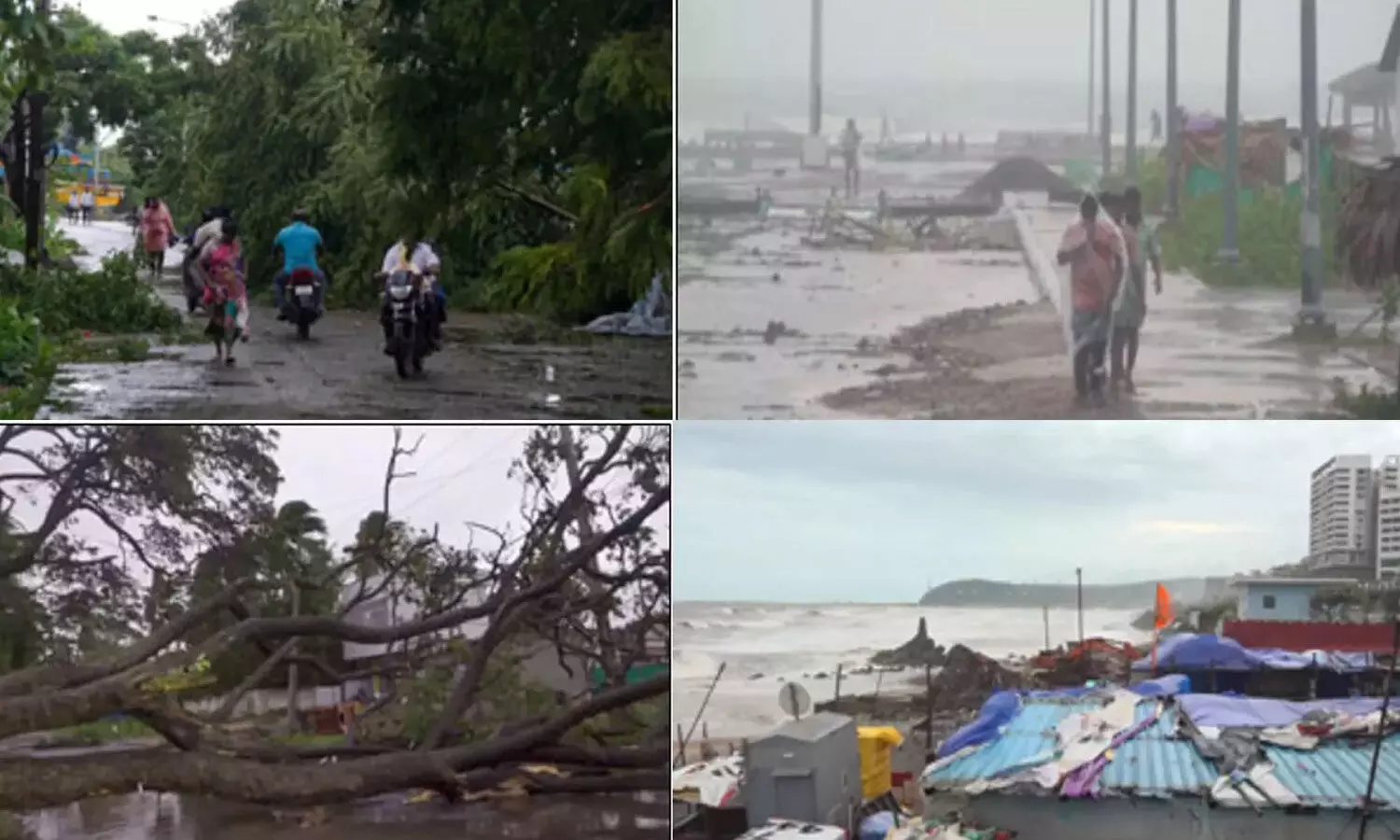
Cyclone Arnab Leaves Trail of Destruction in AP
Though Cyclone Arnab has caused no major loss of life in Andhra Pradesh, it has left a trail of destruction across the coastal districts. So far, two deaths due to electrocution have been reported.
In Srikakulam, the State Transport Corporation bus station has been inundated, causing inconvenience to passengers. Several streams and tanks are overflowing. Old Kum-Kam village has been flooded, with residents reportedly facing difficulties.
Vijayanagaram district has experienced heavy rains accompanied by strong winds since Tuesday evening. Water has entered highways, disrupting traffic movement. Cheepurupalli recorded 246.2 mm of rainfall, while the S Kota area received 248 mm.
In Visakhapatnam, waterlogging was reported on several roads and highways. The sea remains very rough, while trees and electric poles have been uprooted in many places.
Cyclone Arnab has also caused damage in Avanigadda constituency. The sea at Palakayathippa has turned rough, with reports indicating that the water has surged inland by nearly one kilometre. Power supply in the area has been disrupted since Tuesday evening as a precautionary measure.
People in areas under Koduru in Krishna district have been facing difficulties due to the power outage since Tuesday night. Trees and electric poles have been uprooted at several locations. A similar situation prevails in Palakollu and Penugonda areas of West Godavari district.
According to preliminary reports, Konaseema has suffered damage to banana plantations, while coconut trees have fallen at several places. Electric poles have also been uprooted in the region, as in other areas affected by the cyclone.
Overall, the cyclone has caused considerable damage to trees, crops and power infrastructure across the coastal districts.
Meanwhile, Chief Minister N Chandrababu Naidu has written to the Centre, seeking the deployment of teams to assess the damage and assistance to help the State cope with the aftermath of the cyclone.
Power resumes after a prolonged disruption
El Nino Impact: 365 mandals in Telangana declared drought-hit
Revanth Reddy invites 550 Indian, int'l cos to Global Summit
El Nino, water mafias draining Hyderabad dry
Rights suffer major setbacks in Brazil, Serbia
India’s rising food prices: Lessons from the Nobel Prize in Economics


