Engineering the Backbone of India’s Dairy Processing Sector

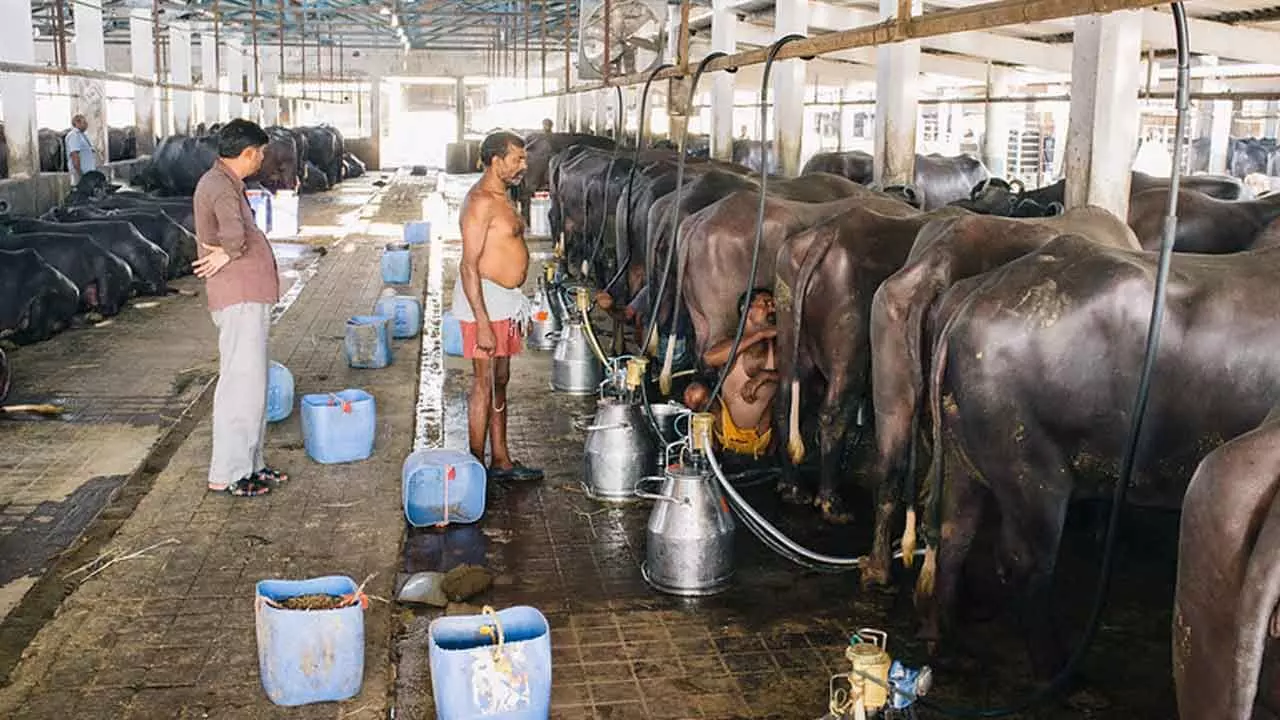
India’s dairy sector, long associated with cooperative networks and rural livelihoods, is undergoing a steady transformation shaped by technology and infrastructure. While milk production and procurement systems often dominate attention, the role of engineering firms in enabling processing and value addition remains less visible.
In recent years, the shift from manual handling to mechanised processing has gathered pace. This transition is driven by changing consumer preferences, stricter food safety norms, and the growing demand for packaged and value-added dairy products such as curd, paneer, and flavoured milk. The need for consistency, hygiene, and efficiency has increased reliance on specialised equipment and integrated processing systems.
Within this evolving landscape, companies such as NK Dairy Equipments LLP, headquartered in Yamuna Nagar, Haryana, represent a segment of Indian manufacturers contributing to the modernisation of dairy infrastructure. Engaged in the design and supply of dairy processing machinery and turnkey plant solutions, the firm operates across various stages of milk handling, including chilling, pasteurisation, processing, and packaging.
Industry observers note that firms in this space are increasingly moving beyond standalone machinery to offer integrated systems. These setups typically include processing lines for products such as butter, yogurt, and ghee, along with auxiliary components like storage tanks, cooling systems, and cleaning units. Technical outlines of such plants indicate that they can cover the entire production cycle, from milk reception to final packaging, reflecting the growing complexity of dairy operations.
This shift towards integrated infrastructure mirrors broader trends across the food processing industry, where scalability and standardisation are becoming central concerns. For dairy operators aiming to expand beyond local markets, maintaining uniform quality and meeting regulatory benchmarks has become essential. Equipment manufacturers, therefore, play a role not only in supplying machinery but also in enabling compliance with evolving standards.
Another dimension shaping the sector is the increasing global outreach of Indian engineering firms. Companies like NK Dairy Equipments LLP have participated in projects across international markets, pointing to a gradual expansion of Indian capabilities in specialised manufacturing domains.
At the same time, challenges remain. Smaller dairy units, particularly in rural and semi-urban areas, often face constraints related to capital investment and access to technical expertise. The adoption of advanced processing systems continues to be uneven, highlighting disparities within the sector.
Sustainability is also emerging as a key consideration. Modern dairy plants are being designed with a focus on energy efficiency, water management, and waste treatment systems such as effluent treatment plants. These elements are increasingly integral to plant design as environmental regulations tighten and operational efficiency becomes a priority.
As India continues to strengthen its position as one of the world’s largest milk producers, the supporting infrastructure behind processing and distribution is gaining importance. The growing presence of engineering firms such as NK Dairy Equipments LLP reflects a broader transition towards organised, technology-driven dairy operations—an evolution that is gradually reshaping the sector from within.