




- Puneet Issar says J.P. Dutta’s ‘Border’ was iconic: The original is the original
- 48 Years Of Megastar Chiranjeevi: A Journey Of Stardom, Success & Love
- Anjali Arora says she landed Mata Sita role as she visits Hanuman temple every Tuesday: Maybe this is a blessing
- Fact check: Punjab Police denies issuing advisory asking personnel to avoid commuting in uniform
- MMA fighter Suchika Tariyal backs Mary Kom on ‘Bigg Boss 20’: You’re a legend, you’ll win
- Zayn Malik’s daughter Khai’s 6th birthday celebration is all things fun
- Asian Games: Smriti Mandhana becomes first women's cricketer to complete 11,000 international runs
- AP govt issues alert amid forecasted Depressions
India’s demand for Russian oil driven by supply shocks, not discounts: Report
In Short
India’s growing demand for Russian crude oil is being driven by supply disruptions in West Asia rather than discounts, according to an Axis Bank Economic Research report. Russian oil imports have surged since the US-Iran conflict, helping India secure energy supplies amid global market volatility.

Share :
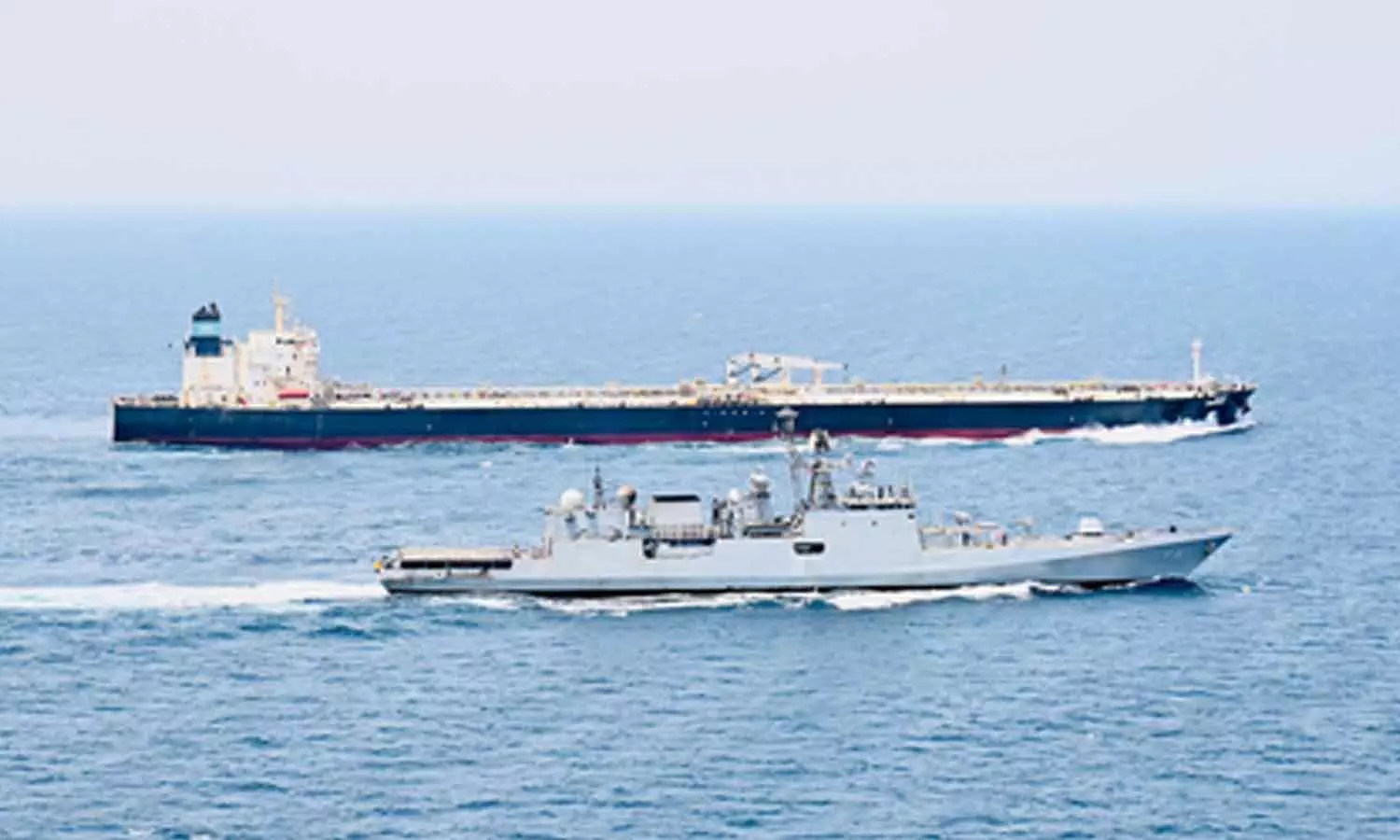
India’s demand for Russian oil driven by supply shocks, not discounts: Report
New Delhi: India’s increased Russian crude imports are being driven by West Asia supply disruptions rather than discounts, with imports averaging 60 million barrels per month, since the start of the US-Iran war, compared to 46 million barrels a month during FY23-26, a report showed on Tuesday.
Since the start of the US-Iran war, India has imported 298 million barrels of Russian crude, according to the Axis Bank Economic Research report.
While Russia’s share in India’s imported crude basket jumped from 0 per cent to 30 per cent between March 2022 to June 2023, likely due to discounts, the additional 1 million barrel per day since March 2026 “can’t be explained by price dynamics alone”.
“First, the average discount on Russian crude vs. West Asia has been stable at $3-5/bbl since 2023. Second, Russia’s share of Indian crude imports rose despite premiums of up to $7/bbl. If India were to procure these excess 60-80 mn barrels in the spot market, oil prices would likely be higher than today,” the report argued.
Recent experience shows that the threat of very high tariffs is more useful as leverage in trade negotiations than tariffs themselves, and higher oil prices have a more direct passthrough on US retail inflation, said the report.
Republicans are already on the back foot in the midterms due to elevated energy prices.
“Congressional backing makes this tariff threat legally durable, while pending outcomes of Section 301 on excess capacity could raise tariff volatility. For India, a useful anchor is the 18 per cent headline rate agreed before the US Supreme court invalidated tariffs under the IEEPA authority in February 2026,” the report mentioned.
When applied, the effective rate also tends to be lower than the headline rate due to exemptions.
India’s exports this fiscal (to date) have grown 19 per cent year-on-year, led by electronics, auto/parts, metals and refined petroleum products, while exports to the US have also recovered.
AP govt declares holiday for schools in Srikakulam amid rains
IIT-Bombay plans to replace ceiling fans with wall-mounted fans after student’s death
Minor Allegedly Gang-Raped By 3 Men Posing To Be Cops Near Kalkaji Temple
Sleep talking is not funny, it is serious business
CM Revanth Reddy preparing to tighten noose around KCR family
AP govt raises medical students’ stipend by 5-10%


