Shaping the Future of Reliability Engineering: Akshay Gaikwad
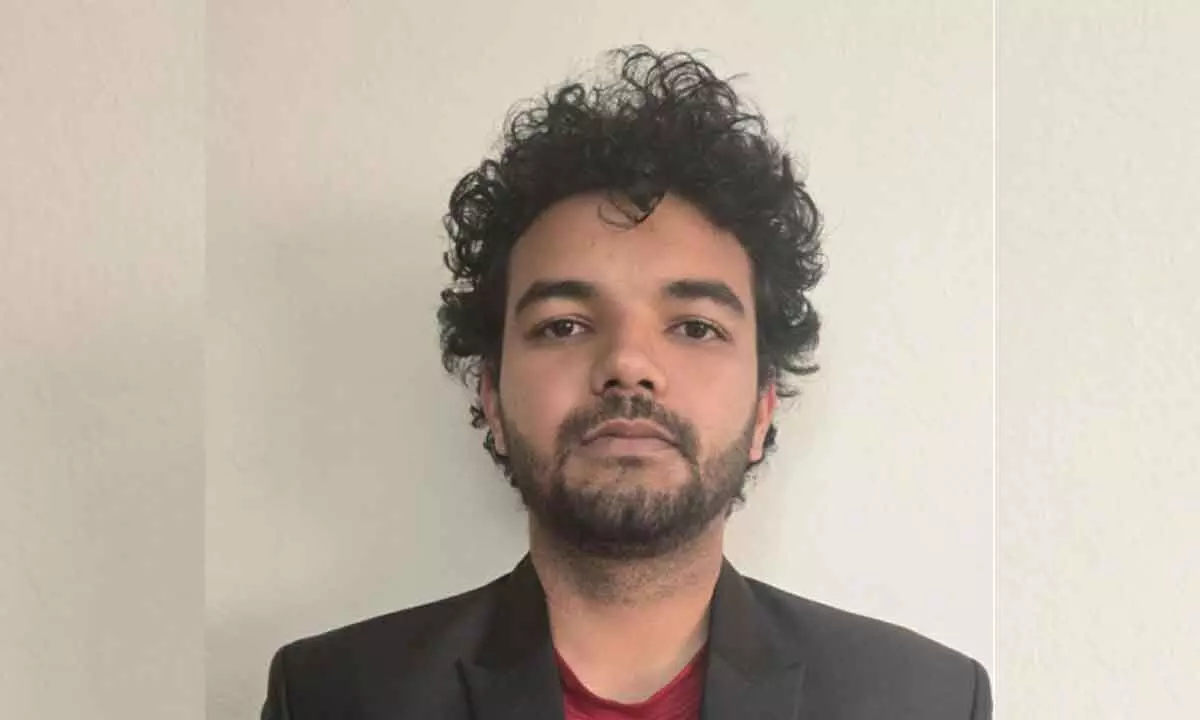
Akshay Gaikwad discusses his approach to reliability engineering, emphasising advanced testing techniques, root cause analysis, and predictive analytics to prevent product failures. He also highlights the future of the field with innovations in IoT, AI, and materials
Akshay Gaikwad, a leading reliability engineer based in Sunnyvale, California, is driving innovation in the field of product reliability. With a background in mechanical engineering and expertise in advanced testing methodologies, Akshay is at the forefront of transforming how engineers predict and prevent failures. In this interview, he shares his approach to reliability engineering, key challenges, and the future of the field.
Akshay’s journey into reliability engineering was shaped by his interest in understanding product performance and preventing failures. "From the beginning, I was drawn to how products behave under stress and how we can ensure they perform optimally over time," he explains. With a Master’s degree in Mechanical Engineering from Rochester Institute of Technology, he coupled academic knowledge with hands-on experience to address real-world reliability challenges.
A core element of Akshay’s approach is the use of advanced testing techniques such as Highly Accelerated Life Testing (HALT) and Accelerated Life Testing (ALT). These methods, he notes, "allow us to simulate long-term use in a short period, helping us identify potential failure modes early in the design process." By accelerating aging processes, these tests provide crucial insights that help mitigate future failures.
One of the most significant aspects of reliability engineering, according to Akshay, is preventing field failures. "Field failures are often the result of unseen issues that only appear once the product is in use," he explains. To combat this, Akshay employs sophisticated root cause analysis tools like FRACAS and 8D methodologies. "These tools help us investigate failures in-depth and develop predictive models that improve system uptime," he adds. Akshay’s proactive approach has successfully reduced unexpected failures across a range of industries, ensuring higher product reliability.
When it comes to measuring the success of his work, Akshay tracks critical metrics like Mean Time Between Failures (MTBF) and Parts Per Million (PPM) defect rates. "By tracking these indicators, we can identify trends and take preventive actions before the product reaches the consumer," he says. His proficiency in using statistical tools such as Minitab and Reliasoft enables him to turn complex data into actionable insights that drive design improvements.
Innovation plays a key role in Akshay’s work, and during his research as a Graduate Assistant at Rochester Institute of Technology, he focused on microscale texturing of metal surfaces. "The research resulted in a 60% reduction in wear compared to untextured surfaces," he recalls. This innovation bridged theoretical concepts with practical applications, a principle that Akshay continues to apply in his career.
In the future, Akshay envisions a more data-driven approach to reliability engineering, particularly with the integration of IoT sensors and AI-driven analytics. "IoT sensors will provide real-time data on product performance, while AI will allow us to predict and prevent failures before they occur," he says. By embracing these technologies, Akshay believes reliability engineering will become even more precise and efficient.
Akshay’s approach to cross-functional collaboration has also been key to his success. "Clear communication and data-driven decision-making are crucial," he notes. Working with design teams, suppliers, and quality assurance professionals, he emphasises the importance of aligning technical requirements with practical constraints to achieve the highest levels of reliability.
As Akshay continues to innovate and push the boundaries of reliability engineering, his commitment to improving product performance and ensuring safety remains a driving force behind his work.