
The Role of Automation in Modern Financial Management

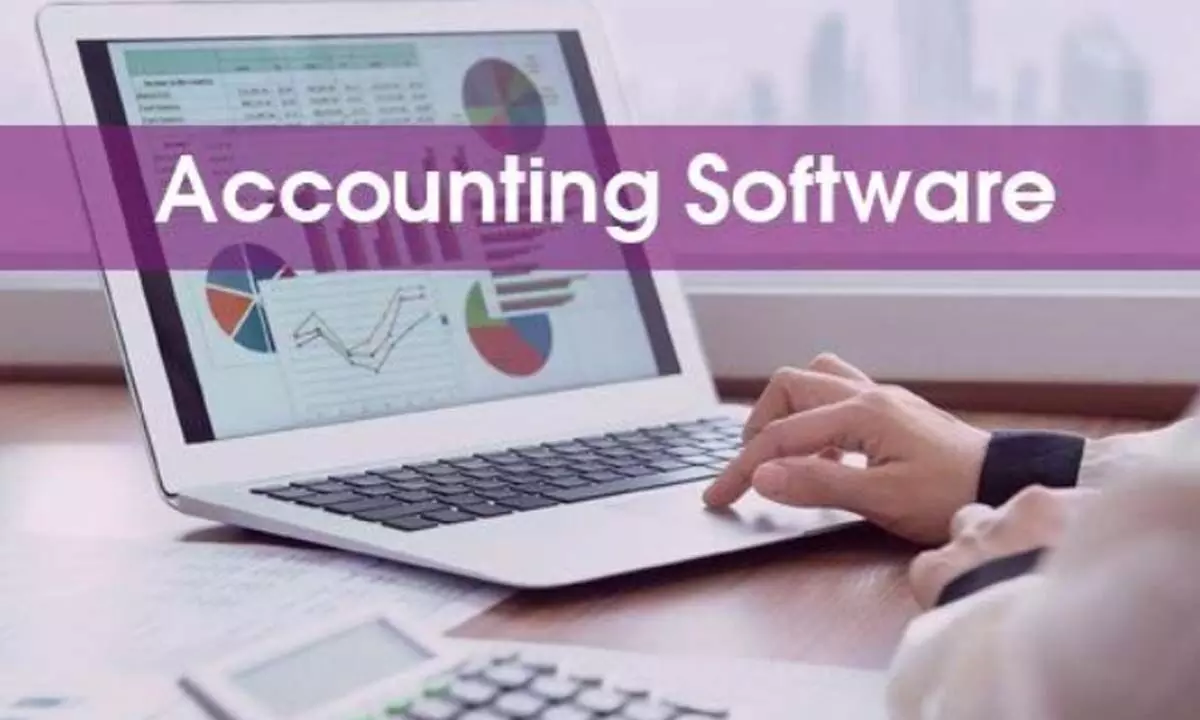
There’s a quiet revolution happening in accounting and finance. And it’s not just in the boardrooms, but also in the backend systems.
There’s a quiet revolution happening in accounting and finance. And it’s not just in the boardrooms, but also in the backend systems.
In my conversations with multiple senior leaders from accounting & finance backgrounds, a recurring theme keeps surfacing. Accounting and finance, as we know them, have outlived their old avatars. Today, the expectations from leaders in accounting & finance are very different and definitely higher. Speed, accuracy, insight, and foresight have become the new benchmarks. This improvement isn’t just confined to the books. It’s happening now and automation is at the heart of it.
Having interacted closely with CFOs across industries, from manufacturing to trading to services to e-commerce, I can say with certainty that automation has reshaped how companies compete. According to McKinsey, more than 39% of leading organisations have already automated most of the financial tasks. And the returns are tangible.
A consumer electronics distributor I met reduced its monthly close time from 9 days to just 3 using automated accounting, reconciliation workflows, and real-time audit trails. As I see it, such results not just reflect successful optimization but complete operational transformation.
The impact of automation has been especially visible in mid-sized businesses. I recall having a discussion with a logistics company struggling with delayed collections and poor visibility into cash flow. By using a payment collection engine, they reduced their Days Sales Outstanding (DSO) by 30% within one quarter and improved cash flow forecasting accuracy by 38%. Their CFO told me, “We didn’t just digitize; we de-risked and accelerated the entire cash cycle.”
The common thread across all these cases? Automation enabled finance teams to move from reactive processing to proactive decision-making. When your systems auto-reconcile 95% of transactions, auto-generate audit trails, and flag compliance risks in real-time, your finance function converts to a strategic asset rather than just a reporting center. By integrating advanced automation into their processes, companies are increasingly turning to accounting software to streamline workflows and improve accuracy in financial management. With the integration of AI and automation, the value proposition has shifted from cost-saving to opportunity-creating.
Yet, I understand the hesitations. Change management, tool selection, and integration complexity are definitely some of the biggest concerns. But I firmly believe those are challenges of execution, not justification. That’s why I tell every leadership team that the greatest risk isn’t in trying automation; it’s in doing nothing. Businesses need to start with a clear roadmap to align technology with strategic goals, involve cross-functional teams, and continuously adapt. The leaders I speak to today are retraining teams to work alongside intelligent systems and leveraging low-code platforms to create custom workflows tailored to business needs.
And this is just the beginning.
Moving forward, finance will no longer be about reporting the past but about anticipating the future. Automation is the engine that will power this shift. And from where I stand, the question is no longer whether you should automate, it’s whether you can afford not to. For many growing businesses, adopting cloud accounting software will be the foundation for making this shift—giving teams the speed, flexibility, and control needed to lead in a digital-first world.


