Tollywood isn’t a shortcut: Fame comes with commitment

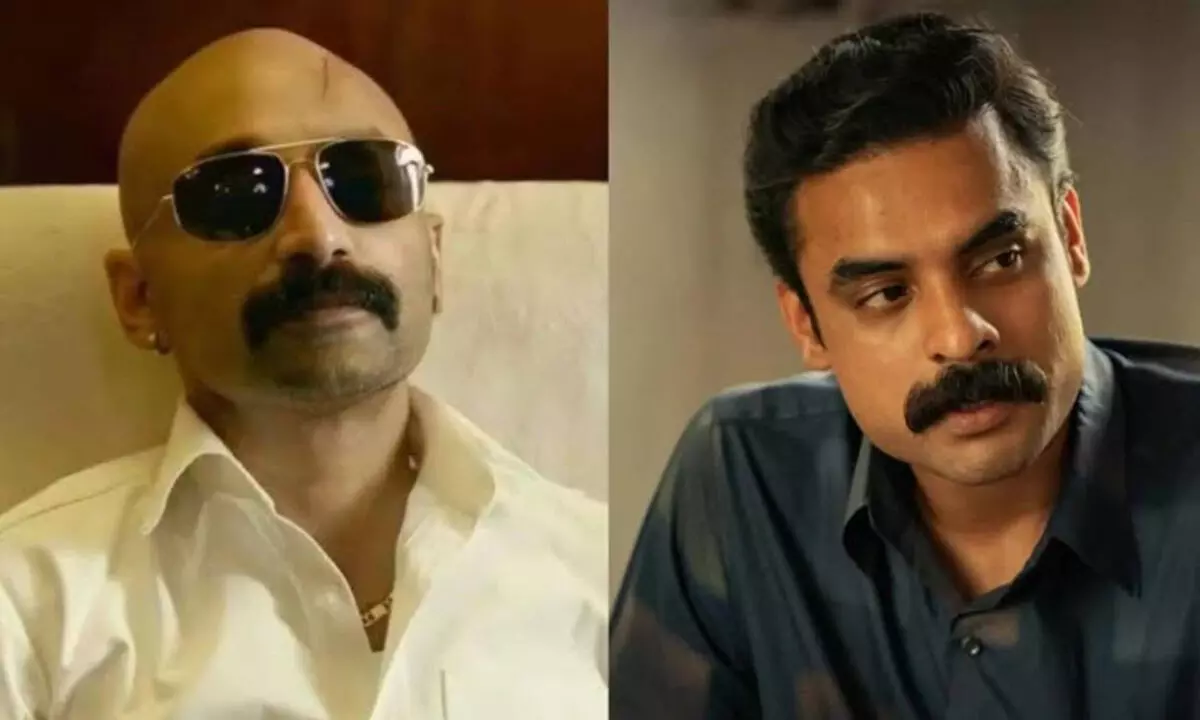
Tollywood’s massive scale and global reach come with demanding schedules and long-term commitment—something its biggest stars embraced to achieve stardom. But as some actors from other industries seek the fame and pay of Telugu cinema without adapting to its work culture, the debate over commitment and priorities is growing louder.
The working culture of Malayalam cinema and Telugu cinema operates on completely different principles. Malayalam films are usually produced on controlled budgets, with actors receiving modest remuneration. Most projects are completed in tight, continuous schedules, allowing actors to quickly move on to their next film. It is a system built around speed, discipline, and efficiency.
Tollywood, however, functions on a much larger canvas. Big Telugu films demand elaborate planning, huge budgets, and extended production timelines. Multiple schedules, reshoots, and long gaps between shooting phases are part of the process. This scale is exactly what helps Telugu cinema create nationwide and global impact.
Despite these differences, several Malayalam actors are being offered major roles in Telugu films with remuneration that is significantly higher than what they earn in their home industry. Actors like Fahadh Faasil are reportedly quoting nearly three times their Malayalam pay when approached for Telugu projects. Yet, when it comes to adjusting to Tollywood’s working pattern, some actors appear reluctant.
Following his experience in Pushpa 2: The Rule, Fahadh Faasil is said to have rejected several Telugu scripts in recent months, citing restrictions and scheduling concerns. Similarly, Tovino Thomas stepped away from a project featuring N. T. Rama Rao Jr. and directed by Prashanth Neel because of the long production timelines.
But the reality is that Tollywood stardom has never been built overnight. Actors like Prabhas, N. T. Rama Rao Jr., Ram Charan, and Allu Arjun have spent years dedicated to single projects to achieve the level of fame they enjoy today. Their commitment to demanding schedules and long-term planning is precisely what elevated them to global recognition.
Wanting the fame, scale, and remuneration of Telugu cinema while refusing to adapt to its working culture raises serious questions. The industry’s growth has been built on patience, discipline, and commitment.
Perhaps it is time for Tollywood filmmakers to focus more on nurturing local talent or introducing fresh faces rather than chasing actors who are unwilling to align with the demands that built this industry.