




- Pregnancy back pain: What is normal and when should a woman see a physiotherapist?
- Police slap cases on KTR, Harish
- BRS-Congress showdown rocks Assembly
- Sridhar Babu defends ban on T-shirts with slogans
- ‘Literacy’ goes way beyond mere reading and writing
- Our democracy is endangered
- Vijay’s TVK faces its first electoral test in October
- MyVoice: Views of our readers 8th September 2026
Pregnancy back pain: What is normal and when should a woman see a physiotherapist?
In Short
Back pain is common during pregnancy as the body adapts to support a growing baby. While some discomfort is normal, knowing when pain needs medical or physiotherapy attention can help women stay active and comfortable

Share :
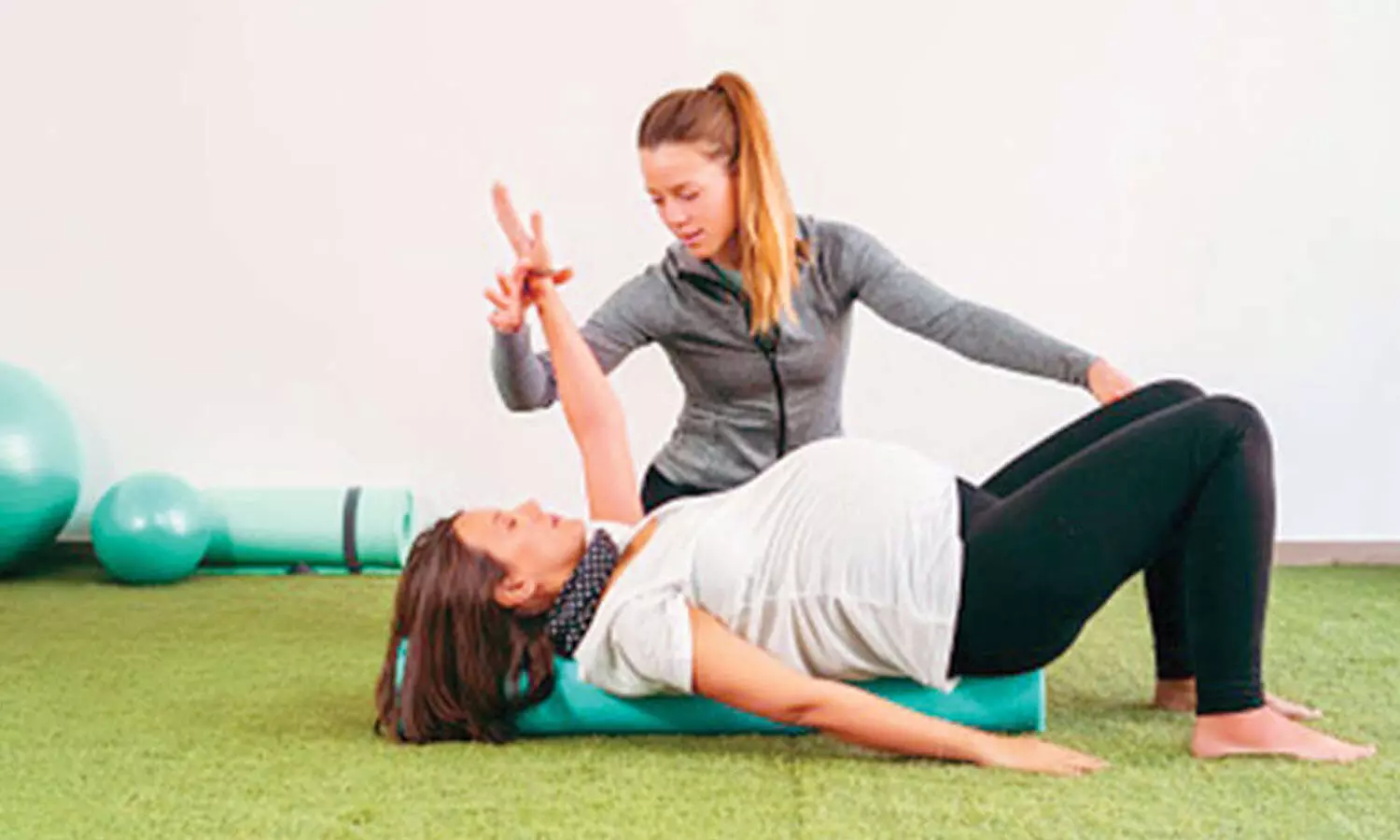
Pregnancy back pain: What is normal and when should a woman see a physiotherapist?
Back pain is one of the most common discomforts women experience during pregnancy. As the baby grows, the body goes through several physical and hormonal changes that can place additional stress on the back, pelvis and surrounding muscles. While mild backache can be a normal part of pregnancy, persistent or severe pain should not simply be considered something a woman has to “put up with.” Understanding the difference between normal pregnancy-related discomfort and pain that requires professional attention can help women stay active and comfortable throughout pregnancy.
Why Does Back Pain Happen During Pregnancy?
As pregnancy progresses, the growing uterus shifts the body’s centre of gravity and can change posture. The abdominal muscles also stretch to accommodate the growing baby, reducing some of the support normally provided to the lower back. At the same time, pregnancy hormones cause the ligaments around the pelvis to become softer and more flexible. These changes can increase stress on the lower back and pelvic joints. For many women, the discomfort is mild and may become more noticeable after standing or walking for a long time. Occasional aching, stiffness or tiredness in the lower back can often be managed with appropriate movement, rest and changes in posture.
When Is Back Pain Considered Normal?
Pregnancy-related back pain is generally less concerning when it is mild, occasional and improves with rest or a change in position. Maintaining good posture, avoiding prolonged standing, using adequate back support while sitting and wearing comfortable, supportive footwear can help. Gentle physical activity, including walking and pregnancy-appropriate strengthening exercises, can also help support the back and improve overall mobility when there are no medical restrictions. Women should, however, discuss exercise with their obstetrician or healthcare provider, particularly if they are starting a new exercise routine during pregnancy.
When Should a Woman See a Physiotherapist?
A physiotherapist should be considered when back or pelvic pain starts interfering with everyday activities. Difficulty walking, climbing stairs, turning in bed, getting into or out of a car, standing on one leg or changing positions can sometimes indicate pregnancy-related pelvic girdle pain. This condition can affect the lower back, hips, pelvis or pubic region and may become increasingly uncomfortable without appropriate management.
Physiotherapy during pregnancy focuses on improving movement, reducing pain and strengthening the muscles that support the spine and pelvis. Depending on an individual assessment, a physiotherapist may recommend specific exercises, posture and movement modifications, pelvic floor and core strengthening, or a pelvic support belt when appropriate. Early intervention can make daily activities easier and prevent pain from significantly affecting mobility and quality of life.
Red Flags That Should Not Be Ignored
Not every episode of back pain during pregnancy is simply a musculoskeletal problem. A woman should contact her obstetrician or maternity care provider urgently if back pain is severe or is accompanied by symptoms such as vaginal bleeding, fever, pain or burning while urinating, or symptoms that could indicate early labour. New loss of sensation in the legs, buttocks or genital area requires immediate medical attention.
Listen to Your Body
Pregnancy naturally places additional demands on the back and pelvis, but significant pain should not be accepted as an unavoidable part of becoming a mother. Women can benefit from discussing persistent or worsening pain with their obstetrician and, when appropriate, consulting a physiotherapist experienced in pregnancy and pelvic health. With the right guidance, many women can remain active, manage discomfort safely and move through pregnancy with greater confidence.
(The writer is a Physiotherapist, Aster CMI hospital)


