




- Hyderabad: HYDRAA moves to widen Fathenagar nala
- Meet Besta Karthik : Teen representing AP at National Taekwondo C’ship
- Political heirs or fresh face? TDP in dilemma over Mayor pick
- Rebel candidates are likely to enter fray
- Pushkaralu: Facilities at ghats, temples reviewed
- Police welcome CRPF bike rally
- Women stage protest against liquor shop
- Bus operators warned against charging high fares
Tackling insecurity, high rents and homelessness
In Short
Approximately 1.2 billion people live in rented accommodation, roughly 15 per cent to 20 per cent of the global population of over 8 billion

Share :
Tackling insecurity, high rents and homelessness
Housing affects health, education, employment, family life, safety, and well-being. A safe, affordable home protects dignity and supports progress. Yet insecurity, high rents, overcrowding, inadequate facilities, and homelessness remain serious concerns in India, especially for low-income households, informal workers, migrants, women-headed families, Scheduled Castes, Scheduled Tribes, and other disadvantaged groups.
Despite public programmes, access to housing remains unequal. Poverty, urbanisation, insecure work, rising land prices, and limited rentals restrict choices. Housing is fundamental to dignity and inclusive development.
The global and Indian housing context
Housing generates jobs and supports urban development. Approximately 1.2 billion people live in rented accommodation, roughly 15 per cent to 20 per cent of the global population of over 8 billion. About 32 per cent of the European Union population rent homes, and 68 per cent own one.. Germany’s renter share is 52.8 per cent to 53 per cent; in Switzerland, roughly 61 per cent to 66 per cent rent. About 35 per cent of US households (around 102.7 to 104.3 million people) live in rental housing. Homeownership in Kazakhstan, China, and Romania exceeds 90 per cent–96 per cent.
The global housing deficit rose from 251 million units in 2010 to 288 million in 2023. Conflict, violence, rights violations, and climate disasters cause displacement. UN-Habitat reports that approximately 64 million people were evicted globally between 2003 and 2023.
In India, roughly 28 per cent to 30 per cent of people live in rented homes. In rural areas, about 3 per cent of households rent and 97 per cent own homes. Around 21 per cent to 32 per cent of urban households rent. In major metropolitan areas, rental rates reach about 32 per cent to 35 per cent, while roughly 67 per cent of residents own homes. Both ownership and rental housing are needed.
Understanding housing insecurity
Housing insecurity is the inability to obtain safe, stable, adequate, affordable accommodation. It includes homelessness, insecure tenure, relocation, overcrowding, poor sanitation, unsafe buildings, and costs that leave too little for essentials. It reflects inequalities in income, land, employment, infrastructure, and public resources.
Informal workers often have irregular earnings and limited social security. Construction workers, street vendors, domestic workers, agricultural labourers, sanitation workers, and migrants may lack income records, rental agreements, or deposits needed for formal housing. When urban demand outpaces affordable supply, families may enter overcrowded settlements or poorly maintained homes far from services.
Unaffordable rents and household pressure
High rents strain household finances. When rent consumes much income, less remains for food, healthcare, education, transport, nutrition, and savings. Roughly 28 per cent of households in the bottom 50 per cent income bracket rent, compared with 10 per cent to 15 per cent among higher-income brackets. Mobility and rising property prices sustain rental demand among younger people aspiring to own homes.
Even modest rent increases can harm households on daily wages. Families may reduce food quality, delay treatment, limit children’s education, or borrow informally. Living far from jobs raises commuting costs and stress; safety concerns may restrict women’s paid work.
Policy must support affordable rentals, transparent agreements, protection against unlawful eviction, amenities, and suitable migrant accommodation. Public-private partnerships, rental cooperatives, and community initiatives can help when affordability and quality are priorities.
Homelessness and social exclusion
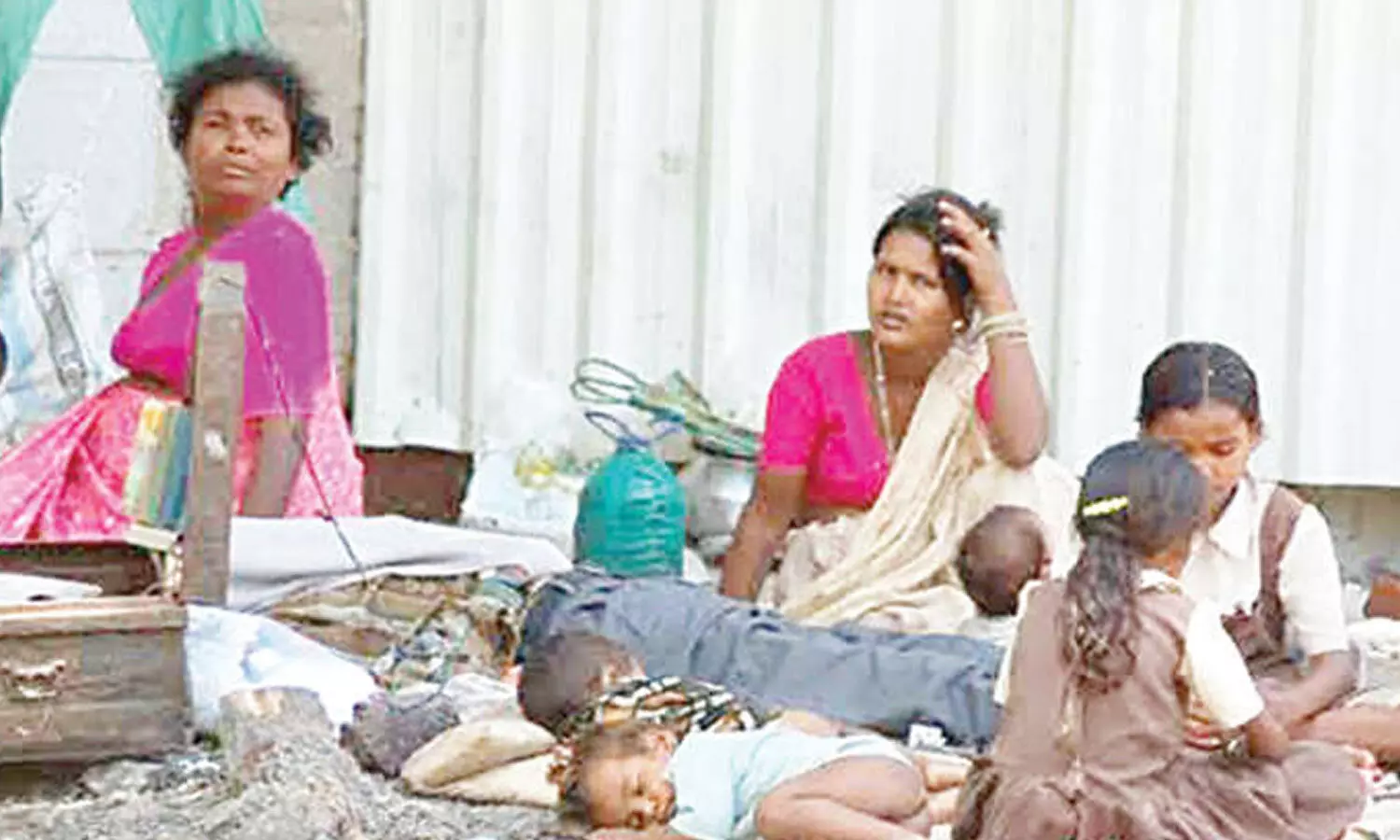
Homelessness is a severe form of deprivation. The source document estimates absolute homelessness at 0.15 per cent to 1 per cent+. People may sleep on streets, railway platforms, bus stations, pavements, construction sites, or other public spaces. Temporary shelters may lack privacy, sanitation, healthcare, and security.
Homelessness may result from poverty, unemployment, displacement, family breakdown, domestic violence, disability, mental health difficulties, or unaffordable housing. Disasters and the loss of informal work also leave people without shelter. Without a stable home, people may struggle to find jobs, enrol children in school, access welfare, or receive healthcare. Unsafe surroundings and poor sanitation increase risks.
Homeless women, children, older people, and persons with disabilities face particular risks. Women may face harassment and violence; children, interrupted education and malnutrition; older people, inadequate care. Responses should link shelters with permanent housing, healthcare, counselling, livelihood support, social protection, and legal services.
Safe, accessible housing and human dignity
Dignity requires safety, privacy, respect, and participation. A secure home supports family life, rest, study, food preparation, and livelihoods. Adequate housing requires structural safety, ventilation, water, sanitation, electricity, environmental protection, and access to schools, healthcare, transport, markets, and jobs.
Accessibility matters for persons with disabilities, older people, pregnant women, and people with limited mobility. Ramps, accessible toilets, suitable doorways, and barrier-free pathways support independence. Secure homes support women’s safety and participation in work and education. Water and sanitation reduce domestic burdens, while stable homes support children’s learning.
Breaking the cycle of poverty
Poverty limits access to adequate housing, while poor housing perpetuates disadvantage. Overcrowding, dampness, unsafe water, and poor sanitation increase disease risks; illness raises medical costs and may reduce work capacity. Crowded homes may lack space for study, and frequent moves disrupt schooling.
Secure housing helps workers retain jobs, pursue training, access services, and establish small enterprises. Homes near transport and economic centres reduce commuting costs. Affordable accommodation can free resources for savings, education, and nutrition, but ownership policies should not impose excessive debt.
Stable communities foster cooperation and networks for jobs and childcare. Housing alone cannot eliminate poverty; it must be paired with employment, education, healthcare, social protection, and inclusive opportunities.
Policy priorities for inclusive housing
First, expand affordable housing assistance through transparent selection, sound construction, and infrastructure.
Second, improve rentals for migrants, students, single women, informal workers, and others for whom ownership is unsuitable.
Third, connect housing with transport, schools, hospitals, markets, sanitation, and jobs. Redevelopment should protect livelihoods through consultation, rehabilitation, and secure tenure.
Fourth, prevent homelessness with safe shelters, sanitation, drinking water, healthcare referrals, and protection from violence, linked to permanent housing and employment support.
Fifth, require disability access, structural safety, energy efficiency, drainage, and resilience to floods, heatwaves, and other climate hazards.
Sixth, local governments should assess housing needs, rental affordability, homelessness, and service gaps, involving residents and community organisations.
Conclusion
Housing insecurity, unaffordable rents, and homelessness reflect inequalities in health, education, employment, gender equality, and mobility across generations. India’s agenda must address affordability, habitability, accessibility, secure tenure, rental protection, and essential services, not merely dwelling numbers. Public housing, affordable rentals, homelessness prevention, and inclusive planning should form a coordinated poverty-reduction strategy.
A safe home is essential to human development. It provides security, family stability, opportunities for children, and community participation. Adequate housing without sacrificing food, healthcare, education, or other essentials would advance dignity, reduce inequality, and support inclusive prosperity.
(The writer is Dean, Faculty of Social Sciences, Kakatiya University, Warangal)


