




- Venkateswara temple foundation laying ceremony on Oct 12
- Konkani World Centre hosts seminar and recital built around saint Kanakadasa
- Beyond training: How coaches shape athletes
- Khammam: Govt high school begins preps for centenary celebrations
- Congress, BRS indulge in diversion tactic to side step public issues
- Triveni Society to embark on 8th Maha Padayatra to Tirumala
- TG CPGET 2026-27 second phase seat allotment announced
- Fake certificate costs lecturer his job
Beyond training: How coaches shape athletes
In Short
Training is more than repeating drills or preparing for a competition. Coaches observe how athletes perform, identify areas for improvement and help them develop better techniques

Share :
Beyond training: How coaches shape athletes
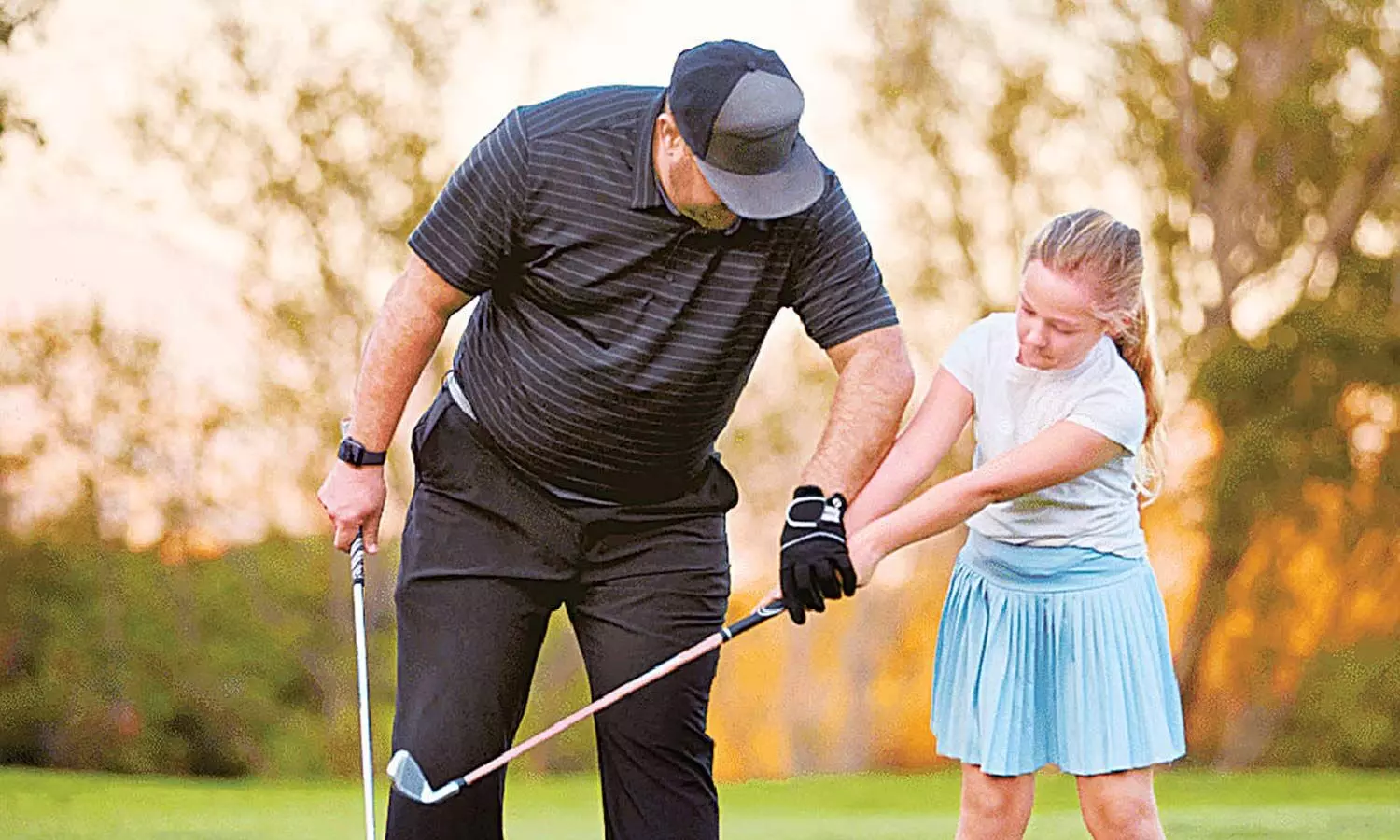
Behind every athlete’s performance is often a coach who helps turn ability into discipline, effort into consistency and challenges into opportunities to improve. Coaches play an important role in sports by guiding athletes not only in developing physical skills but also in understanding teamwork, responsibility and sportsmanship.
Training is more than repeating drills or preparing for a competition. Coaches observe how athletes perform, identify areas for improvement and help them develop better techniques. They also encourage players to understand the importance of preparation, fitness, concentration and regular practice. One of the most important qualities a coach can develop in an athlete is resilience. Sports naturally involve victories and setbacks. A lost match, missed opportunity or poor performance can be difficult for a young athlete. A coach can help students understand that setbacks are part of learning and encourage them to examine what went wrong and work towards improvement. Teamwork is another important lesson. In team sports, individual ability is only one part of performance. Athletes need to communicate, trust one another, respect different roles and work towards a common objective. Coaches help create an environment where these qualities can develop through training and competition.
Good coaching also extends to sportsmanship. Respecting opponents, accepting decisions, following rules and responding to both victory and defeat with maturity are important aspects of participating in sport. These lessons can remain valuable beyond the playing field. For young athletes, a coach can also become an important source of guidance and encouragement.
Not every athlete progresses at the same pace, and coaches may need to understand individual strengths, challenges and learning styles.
Belt shops fuel social distress across erstwhile Karimnagar
CEC Gyanesh Kumar: Resignation or removal?
TVK and Vijay in a battle of prestige
CM Naidu assures safe drinking water to every household
From one-star to two-star: Lokesh directs schools’ upgrade within a year
Five new AP High Court judges take oath


