From Sugar to Sculpture: Redefining the Art of Royal Icing
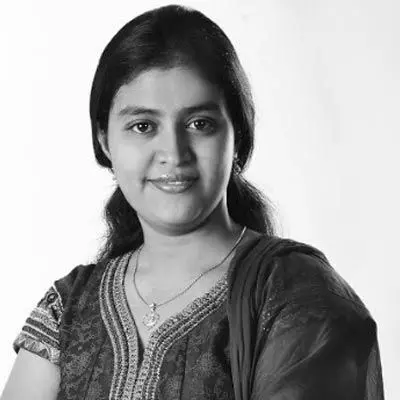
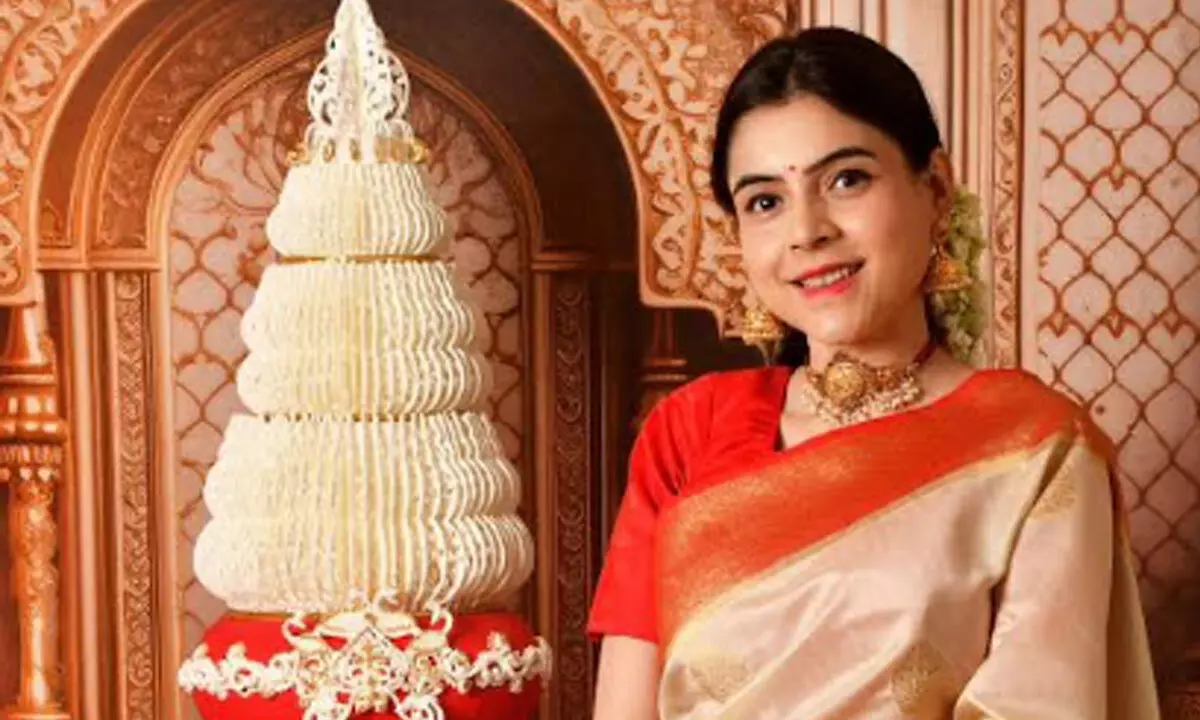
Prachi Dhabal Deb, hailing from Rewa and raised in Dehradun, has transformed royal icing from a delicate decorating technique into a celebrated global art form. Blending precision, culture, and creativity, her edible creations pay homage to Indian heritage. From world records to international recognition, her work proves that passion and discipline can create a lasting legacy
Prachi Dhabal Deb has redefined cake artistry, placing India firmly on the global map of fine edible art. Born in Rewa and raised in Dehradun, her early life was grounded in discipline and academics. She moved to Kolkata for higher studies and began a career as a financial analyst. While the corporate world offered stability, Prachi knew she was drawn to something more creative. “I always felt a pull towards making things with my hands,” she says. “Baking started as a hobby, but royal icing felt like an art form I had to explore.”
Leaving a conventional career behind, she pursued her passion with unwavering focus. Her journey took a global turn when she trained under Sir Eddie Spence MBE, the legendary British cake artist. “Learning from Sir Eddie was transformative,” she recalls. “He taught me that royal icing isn’t just about technique—it’s about patience, structure, and storytelling.” Under his guidance, Prachi developed the precision and creativity that would become her signature.
Innovation became her hallmark. Prachi pioneered vegan royal icing, developing egg-free alternatives without compromising strength or elegance. “I wanted royal icing to be accessible to everyone,” she explains. “It was about respecting tradition while evolving for modern sensibilities.”
Her dedication and experimentation earned her international acclaim. She holds multiple world records, including one of the largest edible royal icing structures, weighing over 200 kilograms. “That project was incredibly challenging,” she admits. “It combined my love for Indian architecture, textiles, and heritage. Every detail was a story.” She also holds records for the longest vegan royal icing structure and the maximum number of royal icing creations, cementing her place as a pioneer in her field.
Prachi’s creations are deeply rooted in Indian culture. “I often draw inspiration from temple architecture, Paithani sarees, and traditional jewellery,” she says. “Through royal icing, I can preserve and showcase our culture in a medium people can experience and enjoy.” Her cakes are more than desserts—they are edible tributes to India’s artistic legacy.
Beyond creating, Prachi nurtures the next generation of artists. As Head Judge and advisory board member at the Indian Cake Awards, she mentors emerging talent and encourages originality. “Guiding young artists is as rewarding as creating art myself,” she shares. “Watching someone grow and innovate is an incredible feeling.”
Her contributions have also been recognized at prestigious international platforms. She has been honoured at Oxford University and the UK Parliament and became the first Indian cake artist appointed as an Associate Artist at the Oxford Centre for Hindu Studies. “These recognitions affirmed that edible art can transcend cuisine,” she reflects. “It can be cultural, artistic, and even academic.”
Today, Prachi Dhabal Deb is more than a cake artist; she is a symbol of how passion, innovation, and discipline can transform an unconventional career into global influence. “Passion backed by discipline can take you further than you imagine,” she says. “Every piped detail, every experiment, every risk is part of creating something extraordinary. If you stay curious and persistent, your art will speak for itself.”
With each intricately crafted creation, she continues to elevate royal icing from a decorative technique to a respected global art form—leaving a legacy that blends creativity, culture, and craftsmanship.