How to Identify Fake Tomatoes: 5 Easy Tests for Fresh, Natural Produce

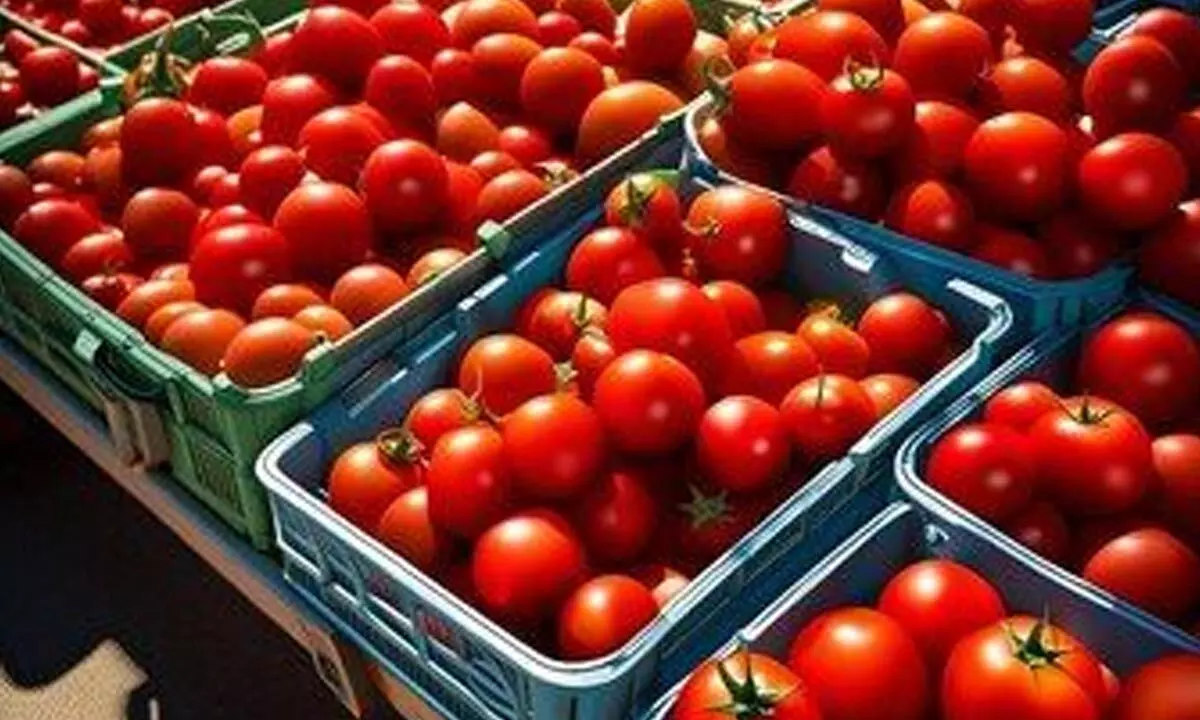
Tomatoes turn costlier for consumers
Avoid chemically ripened tomatoes by using these simple tests to check for freshness, authenticity, and natural ripening at home.
Tomatoes are an essential part of most kitchens, but their rising demand has led to widespread adulteration. To meet market needs quickly, many suppliers are now using harmful chemicals to artificially ripen tomatoes and enhance their appearance. While these tomatoes may look perfect on the outside, they often lack flavour and may pose health risks. Here's how you can identify naturally ripened, juicy tomatoes and avoid synthetic ones.
Harmful Chemicals Used in Tomato Ripening
To make tomatoes appear bright red and appealing, substances like calcium carbide and ethylene gas are used.
- Calcium carbide releases acetylene gas, which mimics ethylene but may leave behind harmful residues.
- Ethylene gas, though naturally occurring, is often applied artificially in excess, causing uneven ripening and flavour loss.
Consuming such tomatoes frequently may lead to digestive problems and long-term health concerns.
5 Simple Tests to Identify Real, Fresh Tomatoes
1. Float Test
Place the tomatoes in a bowl of water. Naturally ripened tomatoes typically sink or remain submerged due to their density. Fake tomatoes, often filled with air gaps due to artificial processing, tend to float.
2. Skin Texture Test
Gently press or pinch the tomato’s skin.
- Natural tomatoes will have soft, slightly yielding skin.
- Chemically ripened tomatoes feel firmer or tougher and are more resistant to pressure.
3. Slice and Observe Test
Cut the tomato in half and inspect the inside:
- Real tomatoes display uniform colour throughout.
- Artificially ripened ones are often red outside but pale or green inside, indicating uneven ripening.
4. Smell Test
Hold the tomato close and take a sniff.
- Fresh, natural tomatoes have a strong, earthy, tomato-like aroma.
- Fake ones may lack smell or have a faint chemical odor due to artificial agents.
5. Seed Check Test
Examine the seeds when the tomato is cut open:
- Naturally ripened tomatoes have well-formed, firm seeds that separate easily from the pulp.
- Artificial ones often contain whitish, underdeveloped seeds clinging to the pulp.
While shiny and bright tomatoes might look tempting, their appearance can be misleading. Learning how to identify genuinely ripened tomatoes helps you make healthier choices and avoid unnecessary exposure to harmful chemicals. Always choose freshness over looks when it comes to what you put on your plate.