




- Venky’s New Film Set for October 30 Release
- Kiran Abbavaram Unveils A Beautiful Family Poster From ‘Reality’ On The Occasion Of Dussehra
- Petrol and diesel prices today in Hyderabad, Delhi, Chennai and Mumbai on , 20 October 2026
- Elon Musk Promises SpaceX Share to Every US Child
- Woman Killed two injured after van collides bike in Gannavaram
- Gold rates today in Delhi, Mumbai, and Kolkata slashes, check the prices on 20 Oct 2026
- US says Iran oil exports blocked at Hormuz
- World Bank unveils first digital strategy
Sanjay Raut’s Remarks Inappropriate and Undermine Democracy: Shiv Sena (UBT) Leader Priyanka Chaturvedi
In Short
She said people should express their grievances through peaceful protests rather than taking law into their hands. Violence, she said, can achieve nothing.

Share :
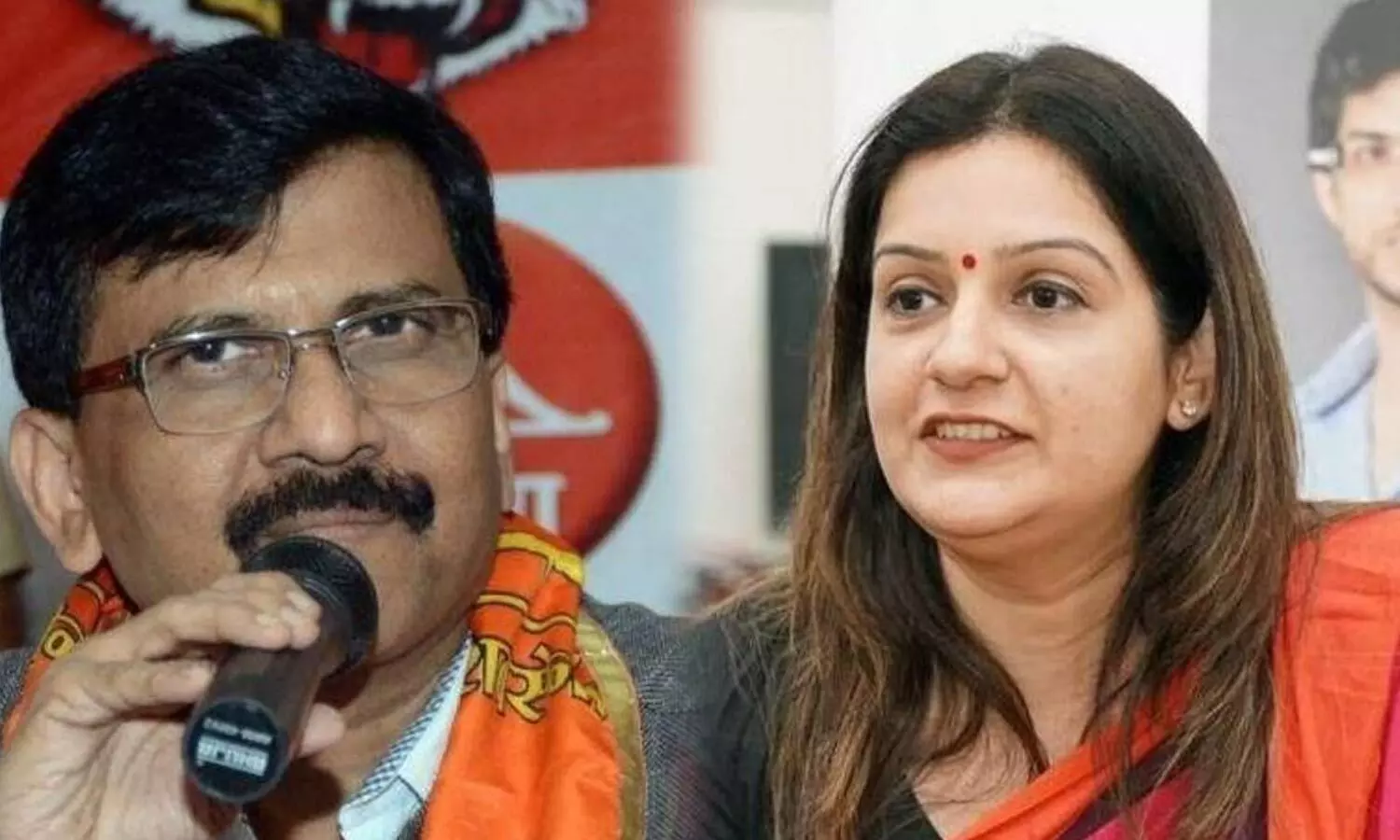
The Shiv Sena (UBT) spokesperson and MP Sanjay Raut came under fire from his own party when UBT leader Priyanka Chaturvedi criticised Raut’s remarks who said that especially India should learn a lesson from the burning of the Supreme Court of Albania. She said that those comments were inappropriate and undermined the country’s democracy and Constitution.
She said people should express their grievances through peaceful protests rather than taking law into their hands. Violence, she said, can achieve nothing.
Raut, in a post on X, had said, "The people of Albania have burned down the Supreme Court. The people were enraged because the Supreme Court was helping corrupt prime ministers. The protesting public has also attacked the parliament and government offices, as well as the ministers' homes. All countries should learn a lesson from these events. Especially India."
She emphasised the need to respect the judicial system and maintain law and order rather than encouraging violent demonstrations.
She said, “Violence achieves nothing and goes against the interests of the country. Whether in Bangladesh, Nepal, Albania or France, these incidents begin with student protests, after which bad-faith actors get involved, leading to such incidents."
The Shiv Sena (UBT) leader maintained that political disagreements and demands for accountability should not be used to justify or encourage violence. It weakens our democracy and Constitution, she added.
Her remarks came amid a debate over Raut's comments on the unrest in Albania and his suggestion that India should take lessons from the protests there.
BJP leaders criticised Raut, accusing him of promoting anarchy and demanding an apology.
Venky’s New Film Set for October 30 Release
Kiran Abbavaram Unveils A Beautiful Family Poster From ‘Reality’ On The Occasion Of Dussehra
Sanjay Raut’s Remarks Inappropriate and Undermine Democracy: Shiv Sena (UBT) Leader Priyanka Chaturvedi
Rehan’s Mother Claims He Was Trapped, Father Says He Was Out on Bail
BJP Seeks Apology from Sanjay Raut over His Albania Remarks
Rehan’s Mother Claims He Was Trapped, Father Says He Was Out on Bail
Hyderabad CP Sajjanar Warns against catching Palapitta
SC Seeks Explanation from UBT MP Sanjay Raut
CM Revanth Reddy extends Dasara greetings to people
Telangana asks govt offices to use electricity economically


