






- Kavitha lays foundation for first district office of TRS in Siddipet
- Naidu brings corporate India into AP’s poverty-alleviation mission
- Phone-tapping probe will yield sensational revelations: CM Revanth
- Govt plans exclusive housing colony for auto drivers
- TGSRTC makes monthly bus passes cheaper, attractive
- Mahesh Muralidhar Bhagwat: A distinguished career in policing and social service
- Mahesh Bhagwat takes charge as Hyd CP
- BrahMos Boom: Several SE Asian nations keen to buy missiles: CEO
VIT-AP scientists develop low-cost breath screening technology
In Short
The research, led by Prof Dr Rao Tatavarti, Prof Dr Sridevi Nadimpalli and VIT-AP Vice-Chancellor Prof Dr P Arulmozhivarman Pachiyappan, was published in the international journal Scientific Reports on November 6, 2026.

Share :
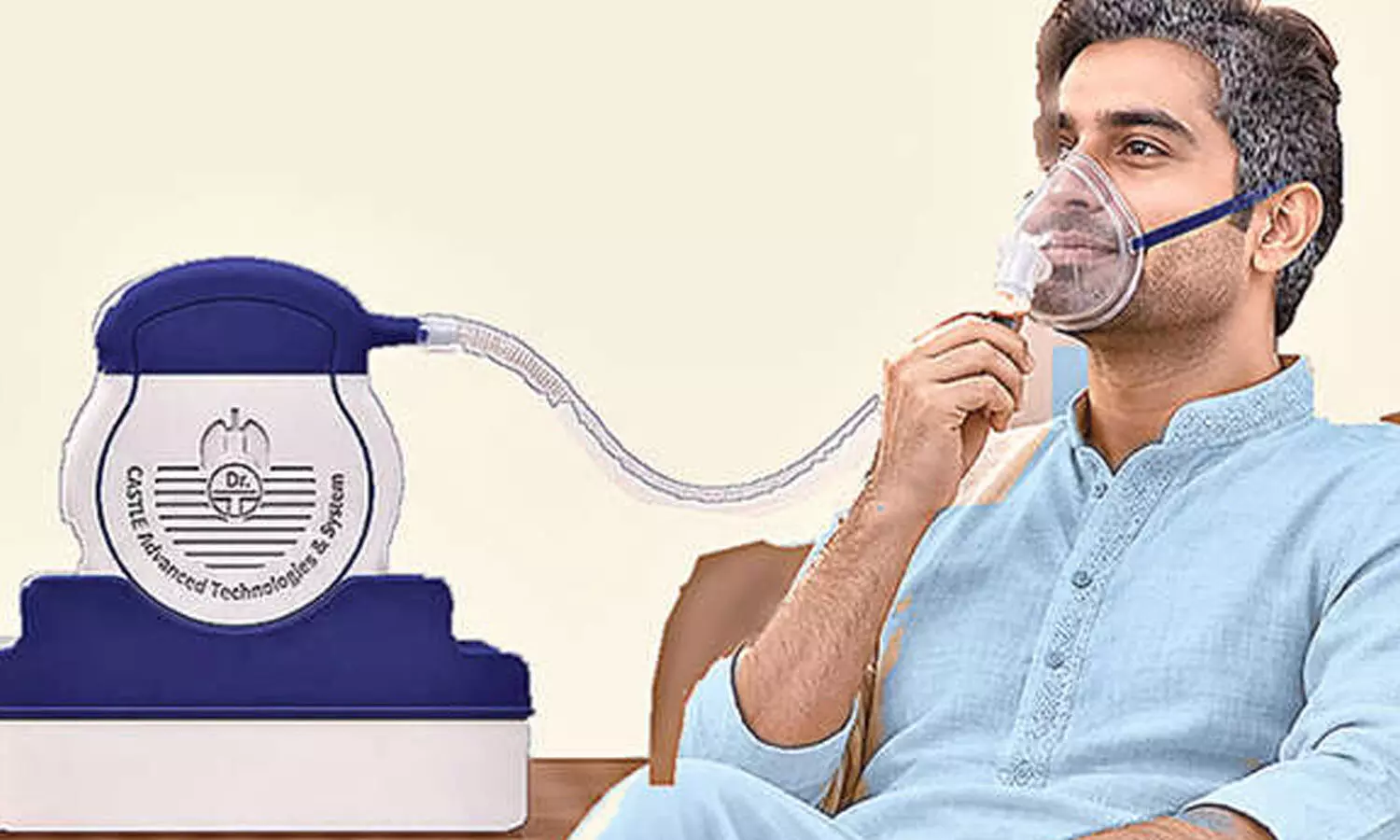
VIT-AP scientists develop low-cost breath screening technology
Amaravati: Scientists from CATS Global, Nashik, and VIT-AP University, Amaravati, have developed an innovative, low-cost optical sensing technology that could pave the way for non-invasive disease screening through breath analysis.
The research, led by Prof Dr Rao Tatavarti, Prof Dr Sridevi Nadimpalli and VIT-AP Vice-Chancellor Prof Dr P Arulmozhivarman Pachiyappan, was published in the international journal Scientific Reports on November 6, 2026.
The technology uses a low-power laser and an optical detector to identify distinctive light patterns associated with chemical compounds in breath. Researchers tested the system using synthetic gas mixtures representing five conditions-chronic kidney disease, cardiovascular disease, small intestinal bacterial overgrowth, cystic fibrosis and chronic obstructive pulmonary disease.
The system achieved an overall classification accuracy of 78.9 per cent across seven gas categories, including healthy and ambient air samples. Unlike conventional breath-analysis equipment, the new approach does not require expensive spectroscopic instruments, offering potential for affordable and portable screening devices.
However, the experiments were conducted using synthetic gas mixtures rather than actual human breath. Clinical trials and further validation are required before the technology can be used for medical diagnosis.
Bharat Summit showcases TG’s potential to world: CM Revanth
EC identifies over 2.63 cr eligible voters in TG
Tackling El Nino impacts: Telangana govt eyes Israel model to conserve water
Can the proposed special Parl session on women’s quota yield results?
Sam Uncle: A ‘Naraz Phupha’ in the Congress Parivar?
Today is Jawaharlal Nehru’s birth anniversary: Nehru built the house before critics judged the furniture


