




- Congress seeks TJS support for Graduate MLC elections
- 10 arrested in Rs 1.30 cr kidnap-for-ransom case
- Suspended inspector had amassed 2.8 cr assets
- Nalgonda pitted against MBNR on water issue
- Saddula Bathukamma: A floral celebration of Telangana’s culture and traditions
- FSSAI mulls ban on added sugars in infant foods
- Internet fundamental right for children: SC
- US prez Trump waives Russia sanctions
Saddula Bathukamma: A floral celebration of Telangana’s culture and traditions
In Short
The sixth day, Aligina Bathukamma, is traditionally observed as a day of rest, with regular celebrations often paused.

Share :
Saddula Bathukamma: A floral celebration of Telangana’s culture and traditions
Hyderabad: A thousand flowers, countless voices and one shared celebration bring Telangana alive as Saddula Bathukamma marks the grand finale of one of the state’s most cherished festivals on Sunday.
From colourful floral arrangements to melodious folk songs, the festival reflects the beauty of nature, the strength of community bonds and the cultural identity of Telangana. Celebrated during the Dasara season, Bathukamma brings women together for nine days of devotion, joy and traditional festivities.
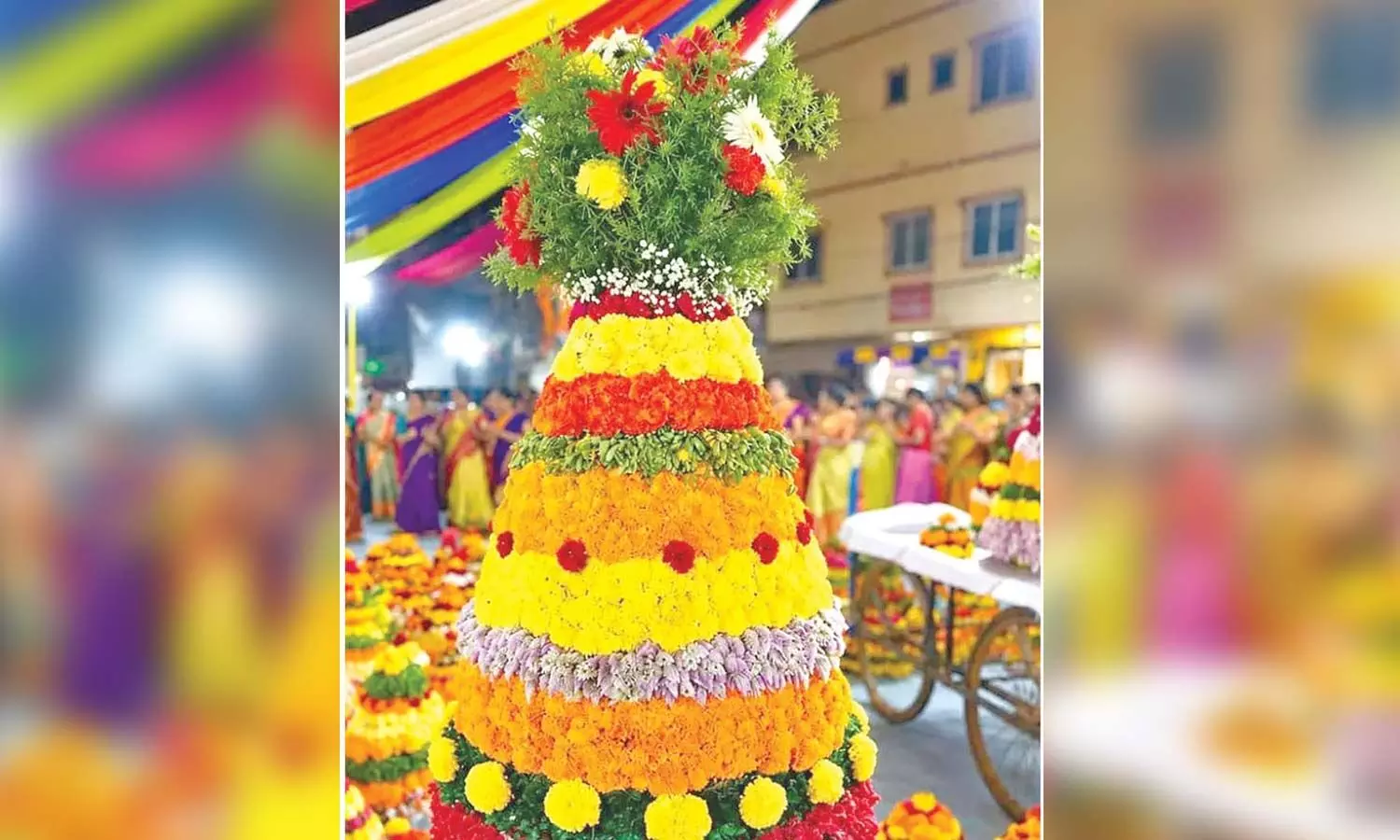
Bathukamma, which symbolises the wish for life and prosperity, is celebrated by arranging seasonal flowers such as tangedu, gunugu, marigold and chrysanthemum in beautiful, tiered formations. These floral arrangements are worshipped as manifestations of Goddess Gauri, representing nature’s abundance and the well-being of families.
The nine-day celebration begins with Engili Pula Bathukamma on Mahalaya Amavasya, when women prepare floral arrangements and offer traditional foods, including sesame seeds and rice-based preparations. The second day, Atukula Bathukamma, is marked by offerings of flattened rice, jaggery and pulses. On the third day, Muddapappu Bathukamma, cooked lentils, milk and jaggery are offered to the goddess. The fourth day, Nanabiyyam Bathukamma, features soaked rice, milk and jaggery as traditional offerings. The fifth day, Atla Bathukamma, is celebrated with the preparation of atlu, or traditional pancakes, as an offering.
The sixth day, Aligina Bathukamma, is traditionally observed as a day of rest, with regular celebrations often paused. On the seventh day, Vepakayala Bathukamma, rice-flour preparations shaped like neem fruits are offered. The eighth day, Vennamuddala Bathukamma, is associated with offerings prepared using sesame seeds, butter or ghee, and jaggery.
The ninth day, Saddula Bathukamma, is the most spectacular part of the festival. Women prepare five varieties of rice offerings, traditionally including curd rice, tamarind rice, lemon rice, coconut rice and sesame rice. Dressed in colourful traditional attire, they gather in open spaces, sing folk songs and dance around their beautifully decorated Bathukammas. The celebrations culminate in the immersion of the floral arrangements in lakes, ponds and other water bodies.
Saddula Bathukamma is more than a religious festival. It celebrates womanhood, strengthens community relationships and highlights the importance of living in harmony with nature. The use of seasonal flowers and traditional offerings reflects a cultural heritage preserved across generations. As the flowers merge with the waters, Bathukamma leaves behind a message of unity, gratitude and hope. Its colours may fade, but its cultural fragrance continues to define the spirit of Telangana.
Scheduled power cuts for Telangana industry soon?
Naidu sets higher vote-share target
Negligence During Municipal Polls: SEC warns officials of suspension, transfers
Tensions rise amid TDP-YSRCP showdown in AP local polls
CM Revanth Reddy greets Telangana women on ‘Saddula Bathukamma’
K’taka sugarcane protest: Shivakumar meets farmers, to convene meeting with stakeholders


