




- International delegation hails AP’s natural farming model
- Nizam-era baoli set for restoration
- Panic grips Polavaram villages as tiger prowls hillock
- Doctors have responsibility beyond consultation room
- Health walk organised
- Police, prison staff undergo hands-on CPR training
- 30 mandals declared drought-hit
- Walkathon organised for drug-free society
Belt shops big social menace in Old Khammam dist
In Short
Erstwhile district has over 7,000 belt shops in villages, beyond

Share :
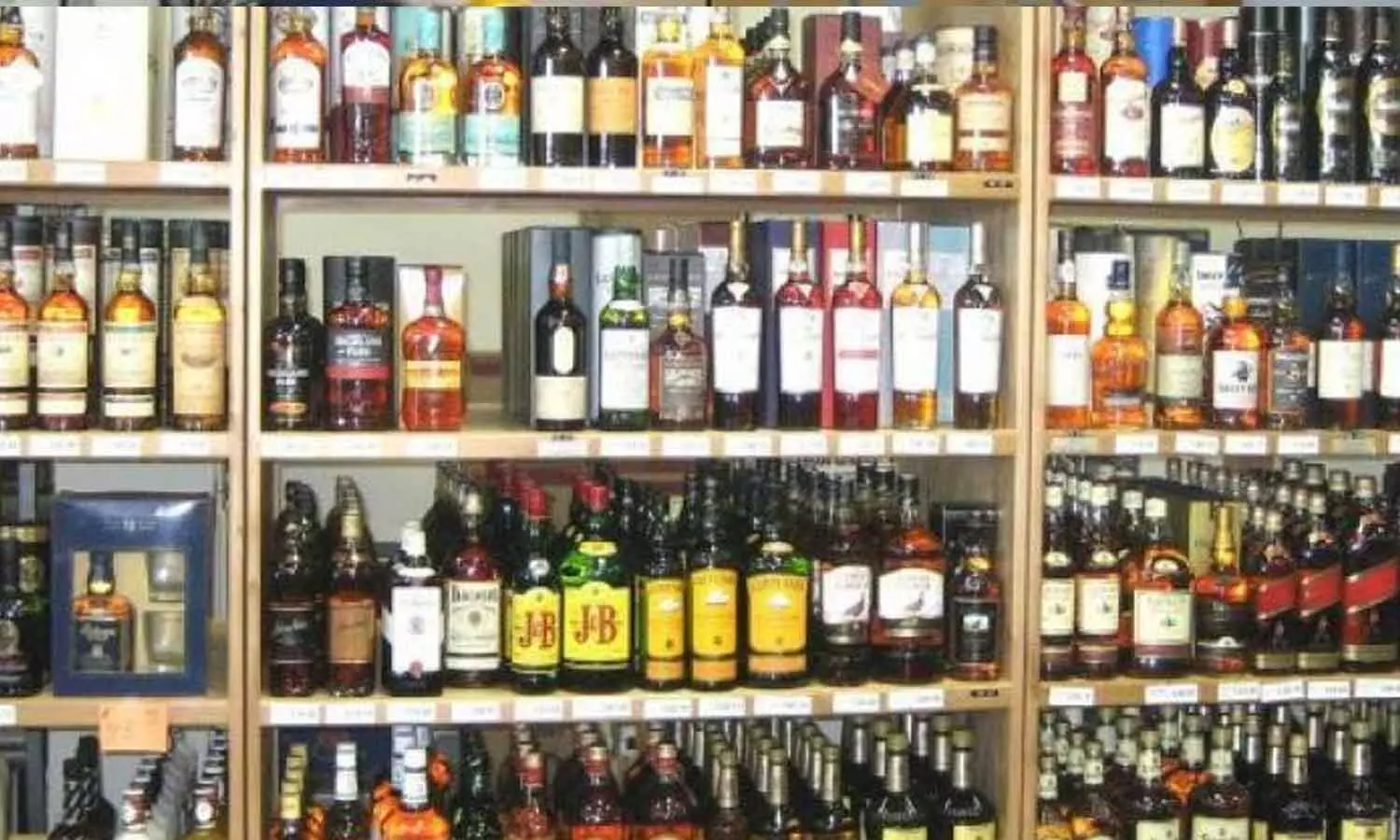
Khammam: Despite occasional “enforcement drives” taken up by the Prohibition and Excise Department, belt shops continue to mushroom in several parts of the erstwhile Khammam district, drawing criticism from residents, social activists, and women’s groups. They have demanded committed and sustained action to root out the unauthorised sale of liquor. Belt shops, illegal liquor vends, operating from grocery stores, roadside kiosks, and even residential premises, have long remained a major challenge for well-meaning quarters of the law enforcement machinery in rural and semi-urban areas. Residents of such areas bemoan that these outlets function beyond permitted hours and provide easy access to liquor, contributing to public nuisance, domestic disputes, and financial distress among economically weaker sections. In villages across Khammam, Sathupalli, Wyra, Madhira, Kallur, Yellandu, Kothagudem, Manuguru, Palvancha, and Bhadrachalam, citizens say the availability of liquor from illegal outlets has become a major concern. Women, in particular, have urged authorities to intensify raids and prosecute habitual offenders. The issue is of greater significance in Bhadrachalam, one of Telangana’s most revered temple towns, where devotees and residents have expressed concern about the operation of belt shops in the surrounding areas. They argue that the presence of unauthorised liquor outlets spoils the spiritual atmosphere of the town, which attracts lakhs of pilgrims every year to the Sri Sita Ramachandra Swamy temple.
Residents have appealed to the Excise Department to ensure that illegal liquor sales are eliminated, particularly during festivals and major religious events.
Local traders also voiced concern, saying that illegal sales affect licenced liquor outlets and encourage unregulated trade. Social organisations have called for awareness campaigns, alongside strict enforcement, to discourage consumption and illegal retailing.
Responding to the concerns, Deputy Commissioner of Prohibition and Excise V Somi Reddy said that the department was committed to eliminating belt shops across the district through continuous surveillance and “surprise inspections”. He stated that excise teams had been instructed to conduct regular raids based on public information and intelligence inputs. “The department follows a zero-tolerance approach towards illegal liquor sales. Anyone found operating a belt shop will face stringent legal action under the Excise Act. We also appeal to the public to share credible information about illegal outlets so that prompt action can be taken,” he observed.
Special attention was being paid to sensitive locations, including Bhadrachalam, to ensure that the sanctity of the temple town was maintained, he added. According to him, enforcement teams are regularly monitoring vulnerable areas, and cases are being booked wherever violations are detected.
According to officials, the Excise Department continues to conduct inspections of licenced liquor shops to ensure compliance with regulations and to target unauthorised retail outlets. Khammam district has a network of licenced retail liquor shops and bars operating under the supervision of the Prohibition and Excise Department, which, at the district level, is headed by the Deputy Commissioner.
Residents, however, believe that sustained enforcement, community participation, and public awareness are essential to eradicate the belt shop network permanently. Many of them have urged the government to establish a dedicated public grievance mechanism and ensure swift follow-up action whenever complaints are received.
The coal belt of Kothagudem, Manuguru, and Yellandu has emerged as one of the major areas where residents have repeatedly raised concerns over the operation of illegal belt shops. These towns have a large workforce employed in the Singareni coal mines, thermal power projects, and allied industries, and residents say unauthorised liquor outlets have proliferated in workers’ colonies and surrounding villages, making liquor easily accessible beyond licenced outlets. Similar concerns have been reported in recent public discussions in the district.
Residents of Kothagudem town and nearby mining localities allege that belt shops operate from small grocery stores, tea stalls, and houses, particularly in the evenings. Women’s groups say easy availability of liquor has resulted in frequent family disputes, financial hardship, and public nuisance. They have urged the Excise Department to intensify surprise inspections and permanently shut down illegal outlets.
In Manuguru, a major coal mining town on the banks of the Godavari, people say illegal liquor sales are common in mining colonies and nearby villages, where thousands of Singareni workers reside. Residents argue that while licenced wine shops function under the Excise Department, belt shops continue to supply liquor at odd hours, especially after licenced shops close. Citizens have sought regular raids and stricter punishment for repeat offenders.
Yellandu, regarded as one of the oldest coal mining centres in the Singareni region, has witnessed similar complaints. Residents say unauthorised liquor outlets are operating in some municipal wards and nearby mining habitations. Community leaders have appealed for greater vigilance, arguing that the problem affects workers’ families and encourages alcohol abuse among youth. Yellandu also has a separate Excise Station overseeing enforcement in the area. According to the Bhadradri Kothagudem district administration, the district has six Excise Stations—Kothagudem, Palvancha, Aswaraopeta, Bhadrachalam, Manuguru and Yellandu - which monitor licenced liquor outlets and enforce prohibition laws. The department also conducts raids against illegal liquor sales and transportation.
Sources said that around 7,000 belt shops may be operating across the erstwhile Khammam district (covering present-day Khammam and Bhadradri Kothagudem districts). The report states that there are roughly 150–200 belt shops in each mandal, though the actual number fluctuates due to periodic enforcement drives. The erstwhile Khammam district currently has 210 licenced retail liquor shops (122 in Khammam district and 88 in Bhadradri Kothagudem district).
Belt shops big social menace in Old Khammam dist
El Nino ka baap? TG mulls dual power supply to feed data centres, IT cos
Breakfast scheme in govt schools: Quality food should be served to students: CM Revanth
Babus’ backseat driving: Higher edn dept, university leadership on the warpath?
Rahul’s insinuations against TCS are unfortunate
October 2: From commemoration to conviction


