




- Pentagon orders testosterone checks for troops
- Trump signs orders to widen hunting, fishing
- DUSU elections 2026: Over 2.75 lakh students to vote amid tight security
- US secures American’s release in Myanmar
- US lawmakers urge Trump to press China on detained Americans, AI chips ahead of Xi meeting
- US, Lithuania sign critical minerals pact
- Iran's IRGC says 'violating' oil tanker hit in Hormuz Strait
- Rs 40K cr spent on road devpt across TG: Komatireddy
Pentagon orders testosterone checks for troops
In Short
Symptoms can include reduced sexual desire, diminished energy, impaired concentration, reduced muscle mass and depressed mood.

Share :
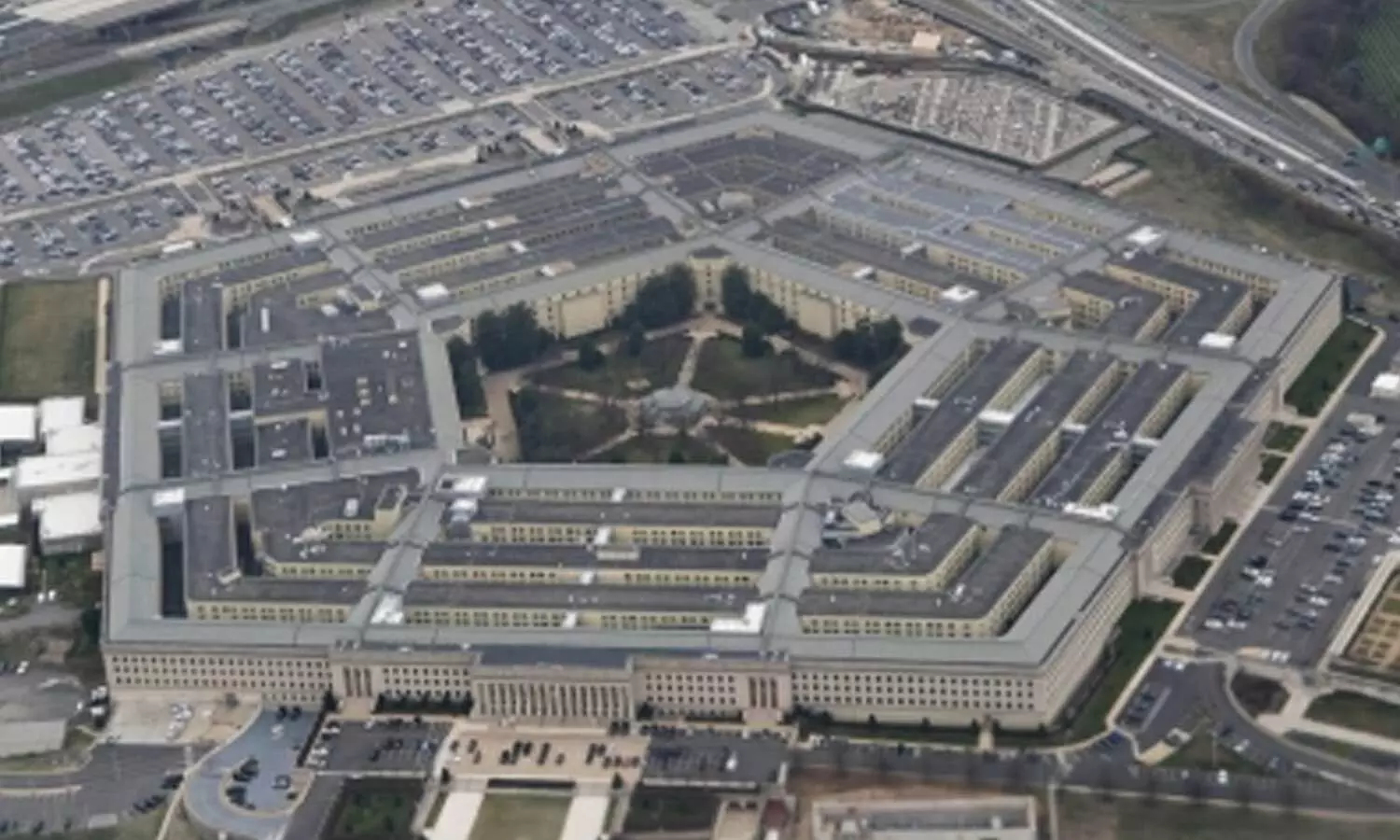
Pentagon orders testosterone checks for troops
Washington: The Pentagon has issued new clinical guidance to implement mandatory testosterone deficiency screening for US military personnel aged 30 and older, while setting limits on treatment and warning against using the hormone solely to enhance performance.
The Defence Health Agency issued the guidance on September 17. It establishes common screening and treatment procedures for male service members under a July directive covering active-duty and reserve personnel. Those under 30 may request screening.
The Pentagon linked the initiative to combat readiness.
“The Department remains focused on building and maintaining a ready, lethal fighting force prepared to dominate the battlefield and achieve peace through strength,” the chief Pentagon spokesman said in a statement.
The clinical document, however, draws a clear distinction between treating a confirmed deficiency and prescribing testosterone to improve battlefield performance.
“Guidance premised on performance enhancement rather than on treatment of a diagnosed deficiency is not supportable on the current evidence,” it states.
Screening begins with a structured assessment of symptoms and risk factors, the guidance said adding that blood testing follows when that assessment is positive or a listed risk factor is present. The screening requirement does not mean every service member automatically receives hormone treatment.
A diagnosis requires consistently low testosterone levels alongside compatible symptoms. Neither a low laboratory reading nor symptoms alone are sufficient.
The guideline calls for two morning blood samples, taken while fasting on separate days. It also provides for further testing when symptoms persist despite total testosterone readings falling within the normal range.
Symptoms can include reduced sexual desire, diminished energy, impaired concentration, reduced muscle mass and depressed mood. The document cautions that these can overlap with sleep deprivation, psychological stress, inadequate calorie intake and other conditions common in military service.
Military surveillance records cited in the guidance show that fewer than 1 per cent of male service members carried an active clinical diagnosis annually between 2018 and 2025.
The document says testosterone therapy has demonstrated benefits for sexual function, body composition and bone mineral density. It says evidence does not support its use to improve energy, vitality, physical function or cognition.
The accompanying patient information sheet makes clear that treatment is a choice.
“Declining evaluation or treatment carries no adverse personnel consequence,” it says.
Personnel stable on therapy should generally remain deployable without a waiver, depending on the formulation. Providers must arrange sufficient medication for the deployment plus 90 days, or document a resupply plan. Separate rules continue to govern specialised duties.
India’s chips will go global: PM Modi
People's aspirations benchmark for govt decisions, says CM Revanth
Revenue officials begin probing govt lands at KCR’s farmhouse
Defer 3-language policy for Class 6 till 2027: SC
UPI MDR issue has now become political football
India’s multi-alignment: A strategy or a mirage?


