




- Aaditya Thackeray denies knowing Disha Salian, rejects Rs 500-crore defamation notice
- 48 Years Of Chiranjeevi: Ram Charan Pens An Emotional Note For His Father
- Elon Musk Claims AI Will Dominate All Fields by 2028
- Election Commission Says All Decisions Unanimous After Report Of Internal Dissent
- If Election Commissioners were aware and allowed it, it’s serious assault on democracy: Priyanka Gandhi
- OPPO Find X10 Pro Max Launches With 3 200MP Cameras, 8,000mAh Battery
- Mayawati appoints Ishan Anand as BSP national Convener amid nepotism allegations
- Ilaiyaraaja Is Honoured In Australia With Ceremonial Stamp
Chinar tree in J&K's Budgam 650 years old, among Asia’s oldest
In Short
A 650-year-old Chinar tree in Budgam, Jammu and Kashmir, is among the oldest in Asia. The government has implemented special protection measures to preserve the iconic heritage tree.

Share :
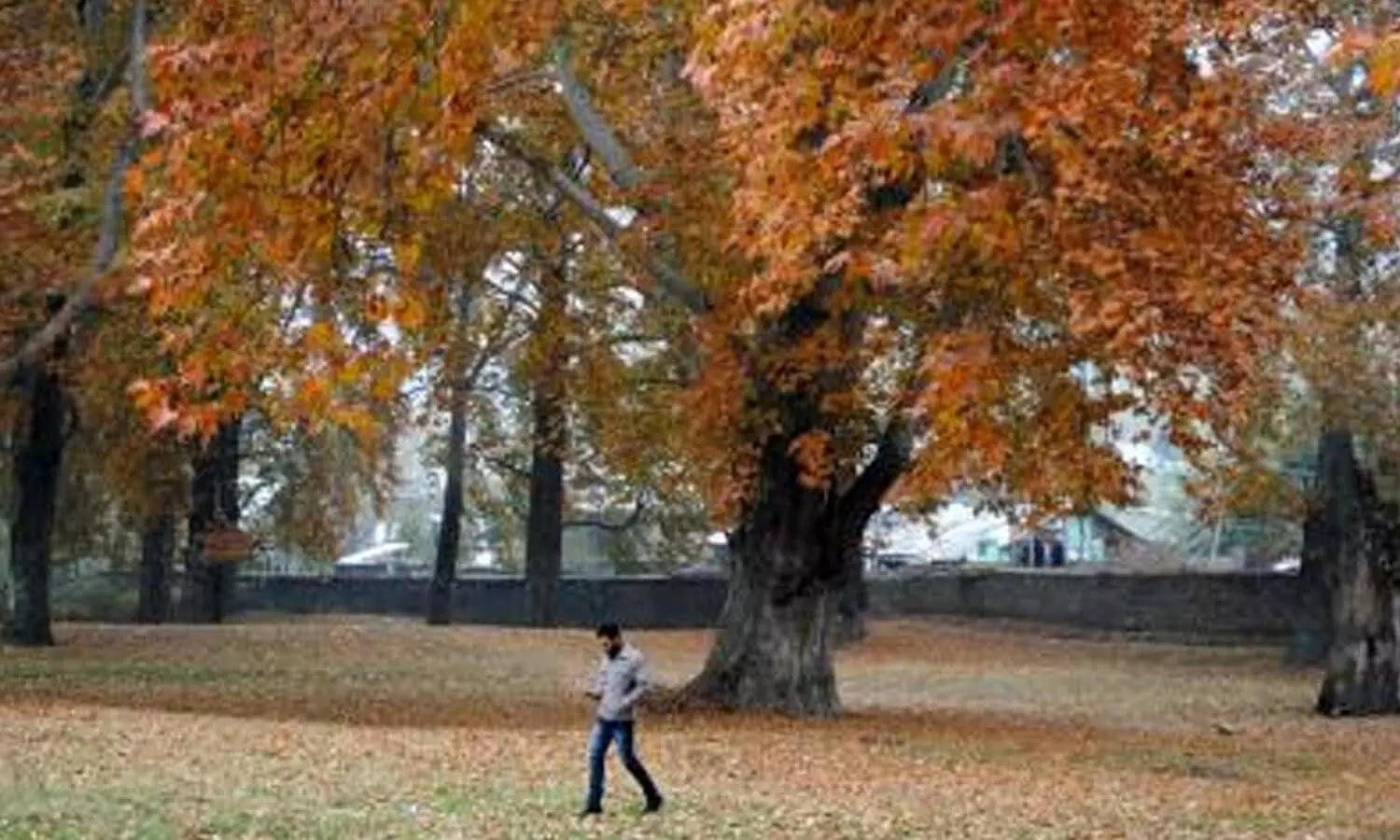
Chinar tree in J&K's Budgam 650 years old, among Asia’s oldest
Srinagar: A 650-year-old Chinar tree in Budgam district is among the oldest of the species in Asia, the J&K Assembly was informed on Wednesday.
The information on the historic Chinar tree at Chattergam in Budgam was given in reply to a question by Budgam MLA Aga Syed Muntazir Mehdi.
The Forest, Ecology and Environment Department said some older and dried branches of the tree had naturally fallen, while the remaining portion continued to remain green. The government said an iron fence has been installed around the tree's critical root zone to prevent soil compaction and root suffocation and restrict vehicular movement around the heritage tree.
Under existing protection measures, cutting even a branch of a Chinar requires prior permission from the local administration. Activities including hammering nails into the trees, attaching signboards, carving on the bark, and damaging the bark or roots are also prohibited.
The department said the decline in Chinar numbers across Kashmir has been attributed to natural ageing, diseases and pest attacks, felling for developmental activities, shrinking land availability, and population growth.
The government has also undertaken measures for the wider protection and preservation of Chinar trees across Jammu and Kashmir.
The Chinar tree (Platanus orientalis), locally called the “Booni", is the iconic living heritage and state tree of Jammu and Kashmir, celebrated for its majestic canopy and fiery red autumn leaves.
The tree takes about 150 years to reach full size and can grow up to 30 meters tall with a massive trunk.
Widely planted and popularised across the Kashmir Valley by Mughal Emperors like Akbar and Jahangir, such as the famous Naseem Bagh, it features heavily in Kashmiri art, papier-mâché crafts, and literature, and is found near historical shrines and Mughal gardens.
The Jammu and Kashmir government has undertaken a comprehensive census, geo-tagging tens of thousands of Chinar trees to assign them a unique digital identity and monitor their health.
Cutting or felling a Chinar tree is strictly illegal without formal permission from the district administration, and even standard branch pruning requires technical oversight (such as applying protective paste to cuts).
Threats to the historic tree include urbanisation, illegal logging and climate change.
UP Poll Heat: Yogi Hits Back at SP
Nandigram Bypoll: Congress Candidate Milan Pradhan Sent To Judicial Custody Till October 7
Fresh Storm over ‘Vote Chori’
Mamata Banerjee Demands Bengal Repoll, Seeks Arrest Of CEC Gyanesh Kumar Over SIR Row
Telangana govt. gives nod for implementation of two DAs for employees
“Never Detach from Your Roots”: President Murmu Advises Students


