




- Rajinikanth’s Jailer 2 Fourth Single To Be Out Today At 6 PM
- Jr NTR Gives A Big Update On Dragon Release Date
- Rain and thunderstorms likely in South India
- Kalki Bhagavan Dies At 77: Spiritual Leader And Founder Of Oneness Movement Passes Away In Chennai
- Apple Pay arrives in India, Axis Bank named first partner
- One killed after tipper lorry collides scooter in Hyderabad
- Maharashtra Baby Trafficking Case: Couple Allegedly Sells Infant For Rs 1.2 Lakh, 7 Arrested
- Petrol and diesel prices today in Hyderabad, Delhi, Chennai and Mumbai on 30 September 2026
‘Fight to Finish’ Pumps New Energy, But Opposition Remains Divided
In Short
Meanwhile, posters attacking the opposition parties' dual stand on SIR had appeared in Delhi.

Share :
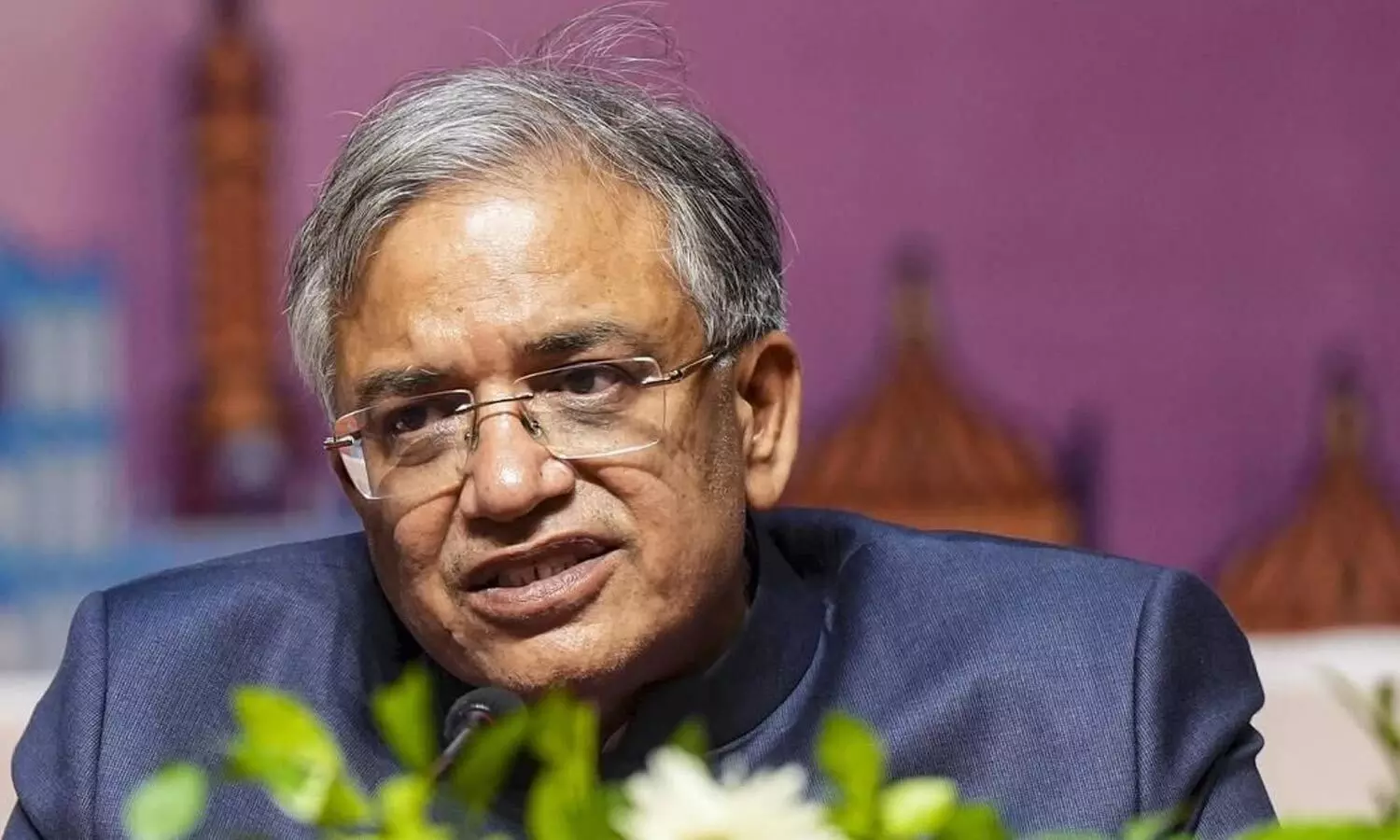
CEC Gyanesh Kumar
The meeting to finalise the strategy for “Fight to Finish” began at Constitution Club in New Delhi. The flagging of certain alleged irregularities regarding Form 6 rules, reportedly by two of the three Election Commissioners, as reported by The Indian Express, has given a new lease of life and energy to the opposition parties to take on the government.
Meanwhile, posters attacking the opposition parties' dual stand on SIR had appeared in Delhi.
The opposition has been losing election after election. Despite making ‘Vote Chori’ a political narrative, it has not been successful in its attempt to defeat the BJP, except in Himachal Pradesh and Karnataka. It came to power in Telangana, not because of ‘Vote Chori’, but because of anti-incumbency against the BRS government led by K Chandrasekhar Rao. In Kerala, it came to power again due to anti-incumbency against the LDF government.
The recent exposure of the alleged differences between the three Election Commissioners has provided fresh ammunition to the opposition parties. But even though all of them want the CEC, Gyanesh Kumar, to resign due to political differences, the INDIA bloc, which had 24 members, continues to remain a fragmented body.
The DMK, which had severed its connections with the Congress, refused to attend the INDIA bloc meeting, though it is a member, because it feels the meeting at the Constitution Club is more of a Congress show. The AAP, which had emerged from the INDIA bloc, also decided not to attend the meeting. The Samajwadi Party chief, Akhilesh Yadav, decided to miss the photo-ops, which are very important in politics, and instead sent his party leader to represent him.
The reason given by Akhilesh was that since the nomination process for the Rajya Sabha members’ election is to take place today, he cannot move out of Uttar Pradesh. It is still not clear whether the SP and Congress will have a fair share of seats in the UP Assembly elections or not, though, as of today, they are alliance partners. The Uddhav Thackeray group decided not to join the meeting digitally later in the day. They said they cannot afford to waste two days by going to Delhi.
The meeting would discuss the modalities for a joint agitation to be launched from October 2. TMC chief Mamata Banerjee, who is seething with anger against the BJP government for not only defeating her party in the recent Assembly elections but also decimating it by “encouraging wholesale defections” into the saffron party, said minutes before the meeting began today that the Chief Election Commissioner must resign and that the TMC would extend full support to the action plan that would emerge from the meeting.
It will also support the proposed impeachment motion when moved in Parliament. She further said that both Prime Minister Narendra Modi and Union Home Minister Amit Shah must also resign.
The DMK, however, said in Chennai that it would support the opposition parties in Parliament when the impeachment motion is moved. Party leaders said the stand of the DMK is that the CEC must quit.
On the other hand, Premachandran, RSP leader, felt that this was the time when all opposition parties should keep their differences aside and unite. He felt that the parties which decided to keep away should have attended the meeting. Division in the opposition ranks at this stage would only benefit the BJP.
The BJP said that the Congress and other opposition parties were unhappy that people were not supporting them and so they had resorted to attacking the CEC.
Whatever it may be, the fact is that the CEC has so far refused to address a joint press conference with all three Election Commissioners and clarify the issues being raised by the opposition parties. This has given rise to all kinds of doubts in the minds of the people and provided ammunition to the opposition to attack the Constitutional body and the government.
The government is gearing up for nationwide protests, which could create greater clashes between the opposition and the ruling party and may even become a threat to internal security if the law and order situation goes out of control, as we had seen during the Jantar Mantar protest against the NEET paper leakage.
The government should not underestimate the opposition or the ramifications of such protests, which may affect peace across the country.


