




- LoP Rahul Gandhi to meet CM Vijay, address students in Chennai today
- Jr NTR Drops Heartfelt Birthday Wishes For SS Rajamouli
- Gold rate today in Bengaluru and Chennai surges, check the Gold prices on 10 October, 2026
- 400 students showcase talent at Seva Sankalp Abhiyan contests
- Dasara: Police identify 40-plus parking areas
- Pastors’ training meet concludes
- Hyd–Vijayawada highway set for six-lane upgrade
- SC rejects AP plea on 34% BC quota
Rahul Gandhi Predicts Government’s Fall at INDIA Bloc Meeting
In Short
Apart from this, Rahul is also expected to focus on the NEET issue, which both the TVK government and the DMK believe should be scrapped. Rahul is likely to meet Vijay during his visit to Chennai.

Share :
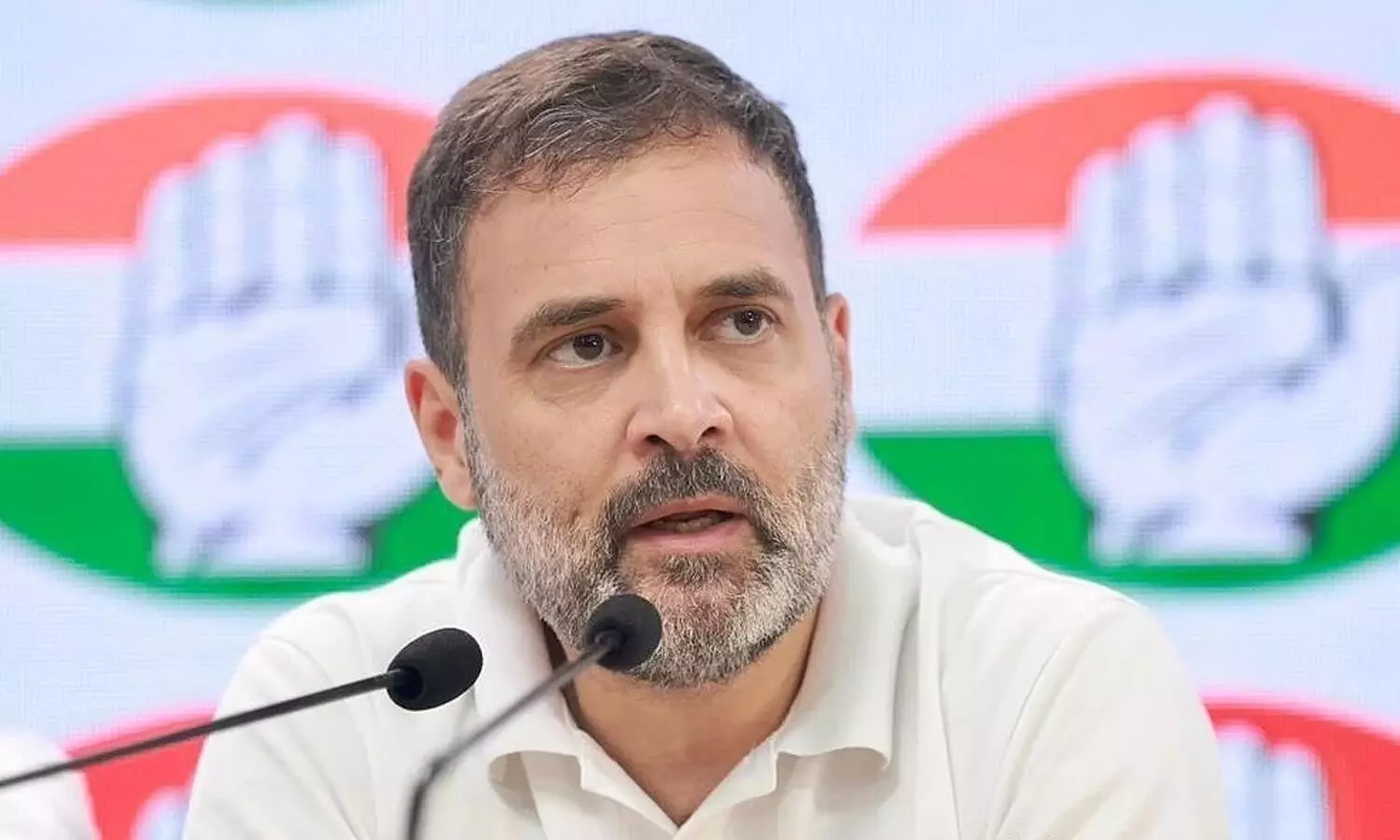
Rahul Gandhi
While the TVK, led by Chief Minister Joseph Vijay, along with its allies, including the Congress, celebrated its candidates’ victories in the two bypolls, Rahul Gandhi arrived in Chennai to address Chhatron Ki Goonj, accusing the Union government of indulging in “Vote Chori”. The TVK has so far not endorsed Rahul’s allegations.
Apart from this, Rahul is also expected to focus on the NEET issue, which both the TVK government and the DMK believe should be scrapped. Rahul is likely to meet Vijay during his visit to Chennai.
Meanwhile, taking to X on Saturday, Rahul said that Chief Election Commissioner Gyanesh Kumar would go, and so would the Modi government, adding that the process of repairing democracy would then begin.
In a post in Hindi on X, Gandhi said, “Gyanesh Kumar will go. This government will go. Then the repair of democracy will begin.” He also shared a video clip of his speech to INDIA bloc MPs at the Central Hall of Parliament.
On Friday, Gandhi had said there was a “much deeper problem” than Chief Election Commissioner Kumar, which required the termination of the current government. He asserted that if the Opposition continued to apply pressure as it had over the previous few days, the government would fall.
“Opposition protests have shaken the foundations of this government, which is now scared,” Gandhi had told INDIA bloc MPs at the Central Hall of Samvidhan Sadan.
“There is a much deeper problem than Gyanesh Kumar, and it requires termination of this current government,” the Leader of the Opposition in the Lok Sabha had said.
“If we continue to push the way we have in the last three-four days, I guarantee this government will fall,” the former Congress president had said.
Rev up road projects in CURE: CM Revanth to officials
Rs 5,000-cr German aid to boost TG urban makeover
Special Cabinet meet on Oct 12 to tackle El Nino
Kudos to GST Council for charting a new path
Ati Sarvatra Varjayet: Opposition must know where to draw the line
EC yet to take a decision on 18.12L electors


