




- Six killed in van-truck collision in UP's Kushinagar
- 'We walk away in a stronger position': McDonald backs Australia batting unit despite SA thrashing
- India’s manufacturing sector logs another strong expansion in Oct: PMI data
- HBD Shah Rukh Khan: 33 Iconic Dialogues Of Bollywood’s Badshah
- India, Australia conclude 5th edition of joint military exercise AUSTRAHIND 2026
- UP CM expresses grief over Kushinagar road accident, assures assistance
- Sam Altman Criticises Personal RAM Use; Elon Musk Says People Deserve It
- Newlyweds among 31 hospitalised after suspected food poisoning at Mumbai wedding
Sam Altman Criticises Personal RAM Use; Elon Musk Says People Deserve It
In Short
Sam Altman's remarks on personal computer memory have sparked a debate with Elon Musk, as rising DRAM prices continue affecting consumers.

Share :
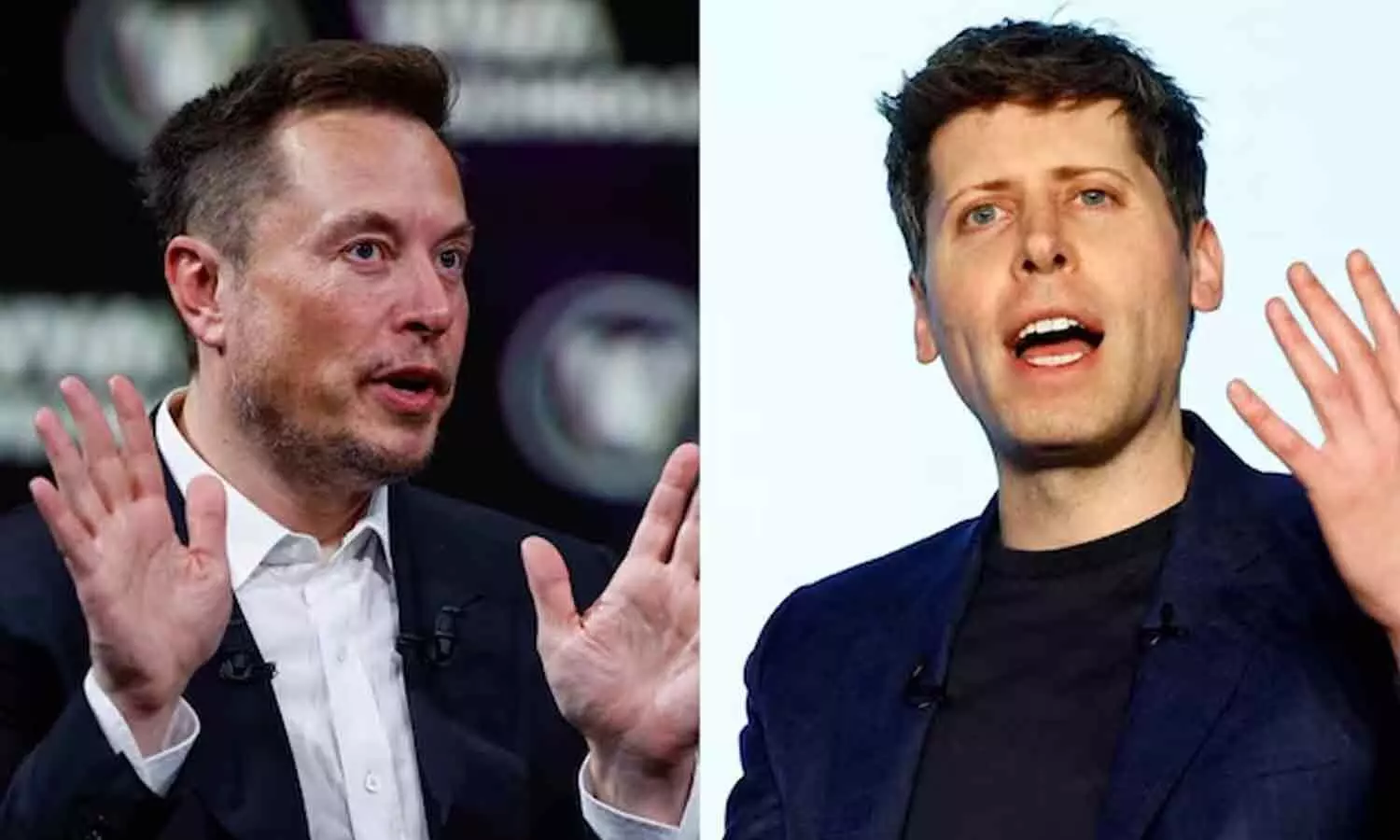
Sam Altman Criticises Personal RAM Use; Elon Musk Says People Deserve It
OpenAI CEO Sam Altman has sparked a debate over how computer memory is used, arguing that large amounts of RAM sitting unused in personal computers are contributing to the inefficient use of a limited global resource. His comments have now drawn a response from Tesla and SpaceX CEO Elon Musk, who believes people should have the freedom to own their share of available memory.
Speaking on the Cheeky Pint podcast, Altman described it as ‘quite terrible to have everybody have a bunch of the world's limited supply of DRAM sitting in their own computer’. He argued that memory installed in personal devices remains unused for much of the day, with utilisation reaching only around 5 per cent of the time.
Musk responded to Altman's remarks through a post on X. “The people deserve to have their RAM too!” he wrote, without directly mentioning the OpenAI chief. The exchange attracted further attention when an X user, Retard Finder (@IfindRetards), used an offensive term to describe Altman over his comments. Musk responded to the post with a brief “Seriously”.
Why Sam Altman questioned personal RAM ownership
Altman's argument centres on how efficiently available memory resources are being used. According to him, RAM installed in personal computers is often idle, whereas memory in large data centres can be shared across multiple users and applications throughout the day.
He also challenged the suggestion that running open-source AI models on individual computers would necessarily reduce pressure on data centres.
"From a global allocation perspective, actually, it's quite terrible to have everybody have a bunch of the world's limited supply of DRAM sitting in their own computer," he said.
Altman added that "being used 5 per cent of the time" was a major concern when discussing memory utilisation.
"You want maximum utilisation in the cloud if you're trying to deal with this very supply-constrained environment," he said.
He further observed, "Somehow many people's intuition is the opposite of that."
Altman also acknowledged the need to increase memory production. He said OpenAI has developed its own chip, is learning how to build data centres and plans to use its robotics programme to help manufacture more infrastructure. Discussing the current memory market, he admitted that "the invisible hand is failing right now."
Memory shortage puts pressure on consumer electronics
The global memory shortage is already affecting several consumer technology segments. Smartphone manufacturers, including OnePlus, Samsung and Oppo, have revised device prices as memory costs continue climbing.
The PC industry is also facing challenges. Intel recently projected fourth-quarter revenue of $15 billion to $16 billion, below analysts' expectations of approximately $17 billion. Its shares fell more than 20 per cent in extended trading following the announcement.
Intel also expects the PC market to contract by 12 per cent this year and another 10 per cent in 2027, with no immediate improvement in memory supply or pricing.
HP previously indicated that memory accounted for around 35 per cent of a laptop's production cost in July, compared with 15-18 per cent in the previous quarter.
Gaming consoles have not escaped the impact either. Sony has increased PS5 prices twice this year, while the Xbox Series X now costs 60 per cent more in the US than its launch price in 2020. Nintendo also increased the Switch 2's price in September.
As memory prices continue rising, Altman's comments have opened up a larger discussion about resource allocation, consumer ownership and the growing demand for AI infrastructure.

Bolsonaro backs off Brazil poll challenge after Trump says 'I’m not running Brazil'
Six killed in van-truck collision in UP's Kushinagar
'We walk away in a stronger position': McDonald backs Australia batting unit despite SA thrashing
India’s manufacturing sector logs another strong expansion in Oct: PMI data
Coastal poised severe threat from 'Murasu'
Modi conspiring to retain power with vote chori: CM Revanth
Cyclone Murasu: Heavy rain alert for Telangana
Pushback against unilateral decisions: Shake-up on the cards in TG edn dept wings?
“If you see something, say something” ethos can safeguard schools
PM Modi to inaugurate Bharat Renewable Energy Summit & Expo 2026 in Delhi today


