Tesla Accelerates Optimus Robot Rollout, Musk Bets Big on Humanoids to Transform Everyday Life

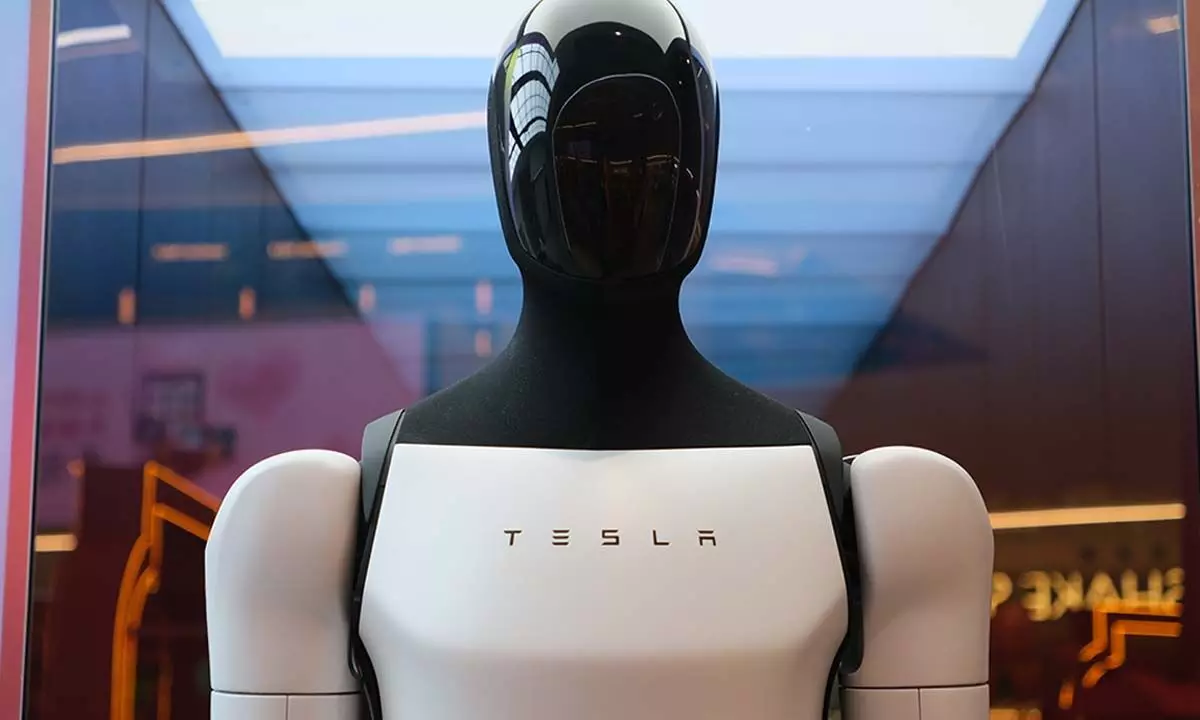
Tesla fast-tracks Optimus humanoid robots, shifting factory space and strategy as Musk promises mass production and a poverty-free future.
Tesla is doubling down on its humanoid robot ambitions, with Elon Musk pushing aggressively to bring Optimus from prototype to mass-market reality sooner than expected. The company has confirmed that it is accelerating development and preparing for large-scale production of the third-generation Optimus robot, a move that could significantly reshape Tesla’s manufacturing priorities and long-term business strategy.
During Tesla’s latest earnings call, Musk revealed that the company intends to begin mass production of Optimus before the end of 2026, with customer shipments targeted for 2027. To make room for the robot’s production, Tesla plans to phase out two of its premium vehicles — the Model S and Model X SUVs — and repurpose their Fremont, California factory lines.
“It’s time to basically bring the Model S and X programs to an end with an honourable discharge, because we’re really moving into a future that is based on autonomy,” Musk said. “Tesla will convert its Model S and Model X factory in Fremont, California, to produce the upcoming Optimus robot.”
The decision reflects Tesla’s broader shift away from traditional automotive manufacturing toward robotics and autonomous technologies. While the company’s automotive revenue dropped 11 percent year-over-year in 2025, Musk appears confident that emerging technologies like Optimus and Robotaxis will drive Tesla’s next growth chapter.
Tesla is expected to unveil the third-generation Optimus in the first quarter of 2026. This version is designed specifically for mass production and is likely to be the model consumers eventually purchase. The updated robot reportedly features several improvements over the current 2.5 iteration, including “the latest hand design,” aimed at improving dexterity and task handling.
Optimus is being built as a general-purpose assistant capable of performing everyday physical chores — from carrying objects and household help to supporting factory operations. The robot uses observation-based learning to mimic and adapt to human actions.
Although Tesla initially aimed to produce around 5,000 units this year, reports suggest that number may not be reached. Still, the long-term ambition is far more expansive. Musk has stated that Tesla ultimately wants to manufacture up to one million robots annually.
Speaking at the World Economic Forum in January 2026, Musk reinforced his vision for widespread adoption. He said Tesla is "planning to make its Optimus robots available for sale to the public by the end of 2027." He added that the company would only move forward once the robots prove reliable, safe, and fully functional.
Pricing is expected to fall between USD 20,000 and USD 30,000, placing Optimus within reach of many households and businesses. Musk has described the robot as the "Biggest product of all time," adding that robots and autonomous vehicles could help create "a world where there is no poverty."
If Tesla delivers on its timeline, humanoid robots could soon move from science fiction to daily life — and potentially redefine how people work and live.