
Tesla Rolls Out First Robotaxi Service in Austin with Model Y Fleet

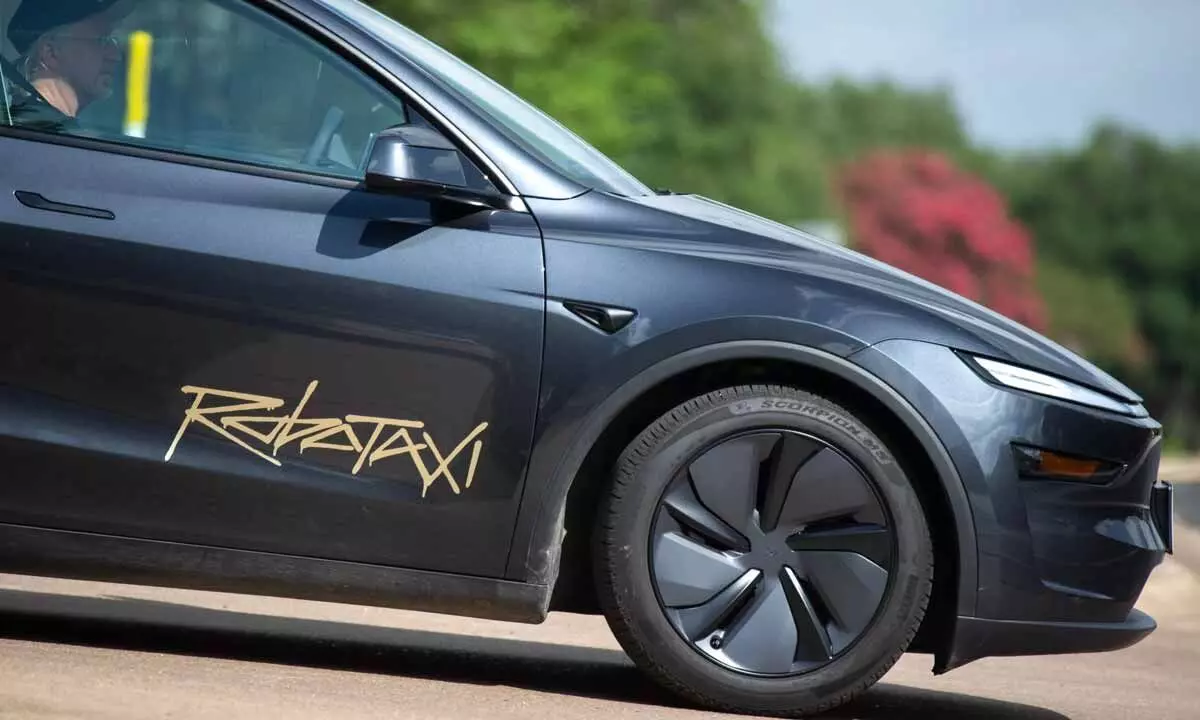
Tesla's Robotaxi pilot begins in Austin, using Model Y SUVs and safety monitors, marking a milestone in autonomous transport
In a major stride toward autonomous transportation, Tesla has officially launched its long-anticipated Robotaxi service in Austin, Texas. This limited pilot program introduces a fleet of self-driving Model Y SUVs operating within designated zones of the city, specifically focused on south and central Austin.
The launch represents a major milestone for Tesla’s vision of driverless mobility. CEO Elon Musk announced the rollout on X (formerly Twitter), praising the team behind the achievement. “Super congratulations to the @Tesla_AI software & chip design teams on a successful @Robotaxi launch!! Culmination of a decade of hard work. Both the AI chip and software teams were built from scratch within Tesla,” Musk wrote.
Currently, the pilot program includes a modest fleet of 10 to 20 Model Y vehicles. Though designed to operate without a human driver, the initial phase includes onboard safety monitors in the front passenger seat to oversee the ride and ensure passenger security. These rides are available only to a handpicked group of early users — including influencers — who can book trips at a flat rate of $4.20 per ride.
Tesla’s Robotaxis are geofenced, meaning they operate only within a specific mapped area and avoid more complex traffic zones and adverse weather conditions. The move comes after years of promises and delays related to Tesla’s Full Self-Driving (FSD) technology, with Musk consistently pointing to autonomous ride-hailing as a cornerstone of the company’s future growth.
How to Use the Tesla Robotaxi App:
To hail a ride, users must download the Robotaxi app and sign in with their Tesla Account credentials. New users will need to create an account first. Once logged in, passengers can set their destination within the allowed service area. The app displays the estimated fare and arrival time.
While waiting, users can modify their destination if needed. When the car arrives, passengers are instructed to match the license plate number shown in the app with the vehicle, buckle up, and tap 'Start' to begin the trip.
With this pilot, Tesla edges closer to realizing its autonomous future — albeit carefully and within tightly controlled parameters — as it tests the technology and gathers feedback from real-world use.


