From Planning to Performance: Creating Flow in Business Processes

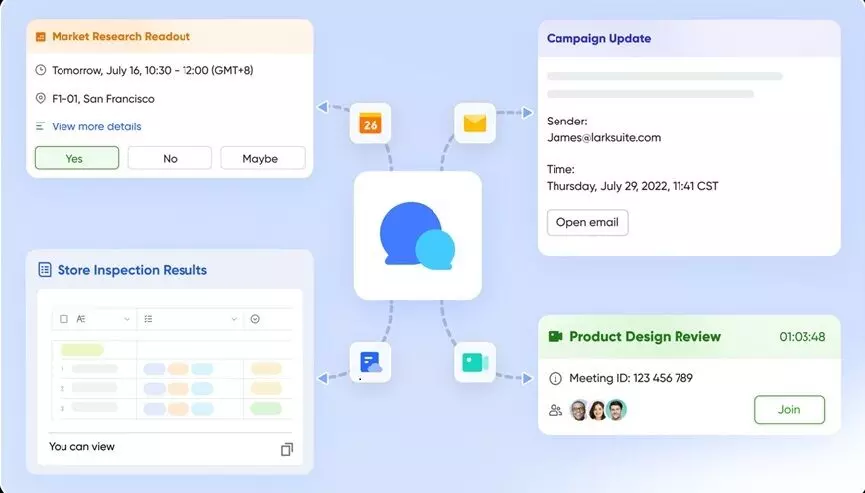
Every organization has to cope with the difficulty of making the shift from planning to measurable performance occur smoothly. A lot of businesses are skilled at making plans, but often have trouble following through on them because of silos, too much work, or bad handoffs. You require flow, which means that tasks, information, and goals should all move smoothly through the overall company. Digital platforms can help this flow happen by bringing processes together in one digital place. With today's project management tools, businesses can put planning into action with fewer delays and more consistency.
The six Lark traits outlined below help this flow happen. Each one covers a different phase of the process, from planning to getting results.
Lark Base: creating structured foundations
The first step to flow is to be clear. Businesses can use Lark Base, a flexible platform that works like a database, to keep track of clients, projects, contracts, and other areas of their job.
Key points:
• Single source of truth: Instead of separate spreadsheets across departments, Base gives everyone the same data in real time.
• Changeable views: Depending on how they want to display their work, teams can choose between table, Kanban, or gallery views.
• Scenario in action: An HR department can use Base to manage onboarding, linking employee details with IT requests and training schedules. Because all steps are visible in one place, managers ensure nothing is missed.
When foundations are clear and orderly, planning turns into action with fewer handoffs that get lost in translation.
Lark Calendar: aligning schedules with performance goals
One of the worst things that may hinder flow is not managing your time well. Deadlines get in the way, teams don't show up to meetings, and work builds up. Lark Calendar makes things easier by turning schedules into things that help you do better.
Key points:
• Smart scheduling: Teams may figure out the best times to meet without having to send each other a lot of emails.
• Support across time zones: Global businesses plan ahead for scheduling issues.
• Scenario in action: A global product team can launch simultaneously across three regions because the Calendar keeps every team aligned on milestones and time-sensitive tasks.
Calendar helps everyone stay on the same page, so planning can keep progressing.
Lark Docs: connecting planning with execution
Plans can get stuck on paper that doesn't help them move ahead. Lark Docs changes this by enabling people to work together in real time. Teams can always stay in touch with their daily work by coming up with ideas, making plans, and writing papers.
Main points:
• Editing together in real time: Because everyone is working on the same file, brainstorming sessions turn into meaningful work right away.
• Linking tasks and meetings: You can connect action items from a document to tasks or share them in meetings.
• Scenario in action: A group of strategists uses Docs to build a plan for the next three months. There are owners for each part, and tasks are made directly from the plan, so nothing is just a theory.
When papers are linked to actions, planning and performance stay in the same cycle.
Lark Wiki: sustaining flow with knowledge continuity
When knowledge is divided up, it stops flowing. Lark Wiki fixes this by creating a knowledge base that is organized and grows with the firm.
Key points:
• Centralized knowledge: All the rules, procedures, and best practices can be discovered in one spot.
• Living documentation: Users with permission can modify pages, which keeps the information current.
• Scenario in action: A support team maintains troubleshooting guides in Wiki. Instead of reacting to repeated issues, new hires quickly learn solutions from documented resources, keeping service consistent.
Wiki turns information into a constant performance driver instead of having a lot of files that slow down operation.
Lark Approval: simplifying structured workflows
Approvals can slow down business by making things harder to get done. Lark Approval makes things easier by converting these problems into clear, related steps that help things move forward.
• Workflows that can be changed: Teams create approval chains that fit their needs.
• Visibility into status: Employees no longer submit the same request twice or chase managers manually.
• Scenario in action: An expense request moves automatically from employee to manager to finance, with status visible at each step. With support for automated workflow, the system sends reminders in Calendar and updates in Messenger, eliminating repeated follow-ups.
Approval makes planning easier by making formal processes easier, which means there are fewer unnecessary delays.
Lark Tasks: translating priorities into performance
Even if you have good intentions, things can go wrong if you don't do your job correctly. Lark Tasks makes sure that priorities are tracked, owned, and done without a hitch.
Key points:
• Clear responsibility: Each task has an owner, who keeps things from becoming mixed up.
• Progress visibility: Tick-box-styled interface lets managers see where problems are likely to happen in the future, so they can step in before they do.
• Scenario in action: A consulting team can see which deliverables are due in the coming week. If one member is overloaded, tasks can be reassigned before deadlines slip.
This visibility turns daily labour into planned progress. It lets teams move from setting big-picture tasks to keeping track of how well they are doing.
Business processes don't just happen; they need systems that work together to make sure that planning and execution go well. As an all-in-one project management software, Lark incorporates multiple smart features in one place: Lark Base organizes information, Calendar keeps everyone on the same page, Docs links strategy with action, Wiki keeps things moving, Approval gets rid of bottlenecks, and Tasks makes sure everyone is accountable. These traits work together to create a calm environment where businesses don't just establish goals; they follow through on them. Businesses that leverage linked platforms get things done faster, waste less time, and receive results that feel natural instead of forced.
Woman injured in stabbing attack in Tokyo, suspect at large
Bengal cop booked for murder over mysterious death of woman home guard, SIT to probe case
Staffer recalls horror of 7-kg gold robbery by armed gang in Karnataka’s Hunsur
25-Year-Old Airline Cabin Crew Member Dies At Gurugram Party; Police Begin Investigation