




- Starlink vs Jio: Why Elon Musk May Be Racing Against Ambani in India
- Ahmedabad Gen Z Spends Up To Rs 15,000 On IV Drips Ahead Of Navratri
- BJP Leads in Bengal, TVK in Tamil Nadu Bypolls
- Take Immediate Action Against Offensive Social Media Content About Protests Govt
- Apple Teases October 13 Event: HomePad and New Smart Home Devices Expected
- Dussehra holidays for schools in Telangana to begin from tomorrow
- TG-TET 2026 for in-service application begins, deadline ends on 16 Oct
- Manchu Manoj Drops A Heartfelt Birthday Wish For His Dear Sister
RBI likely to deliver three more rate hikes by June 2027
In Short
Goldman Sachs expects the RBI to raise interest rates three more times by June 2027, adding 75 basis points, as El Niño and rising crude oil prices pose risks to India's growth and inflation.

Share :
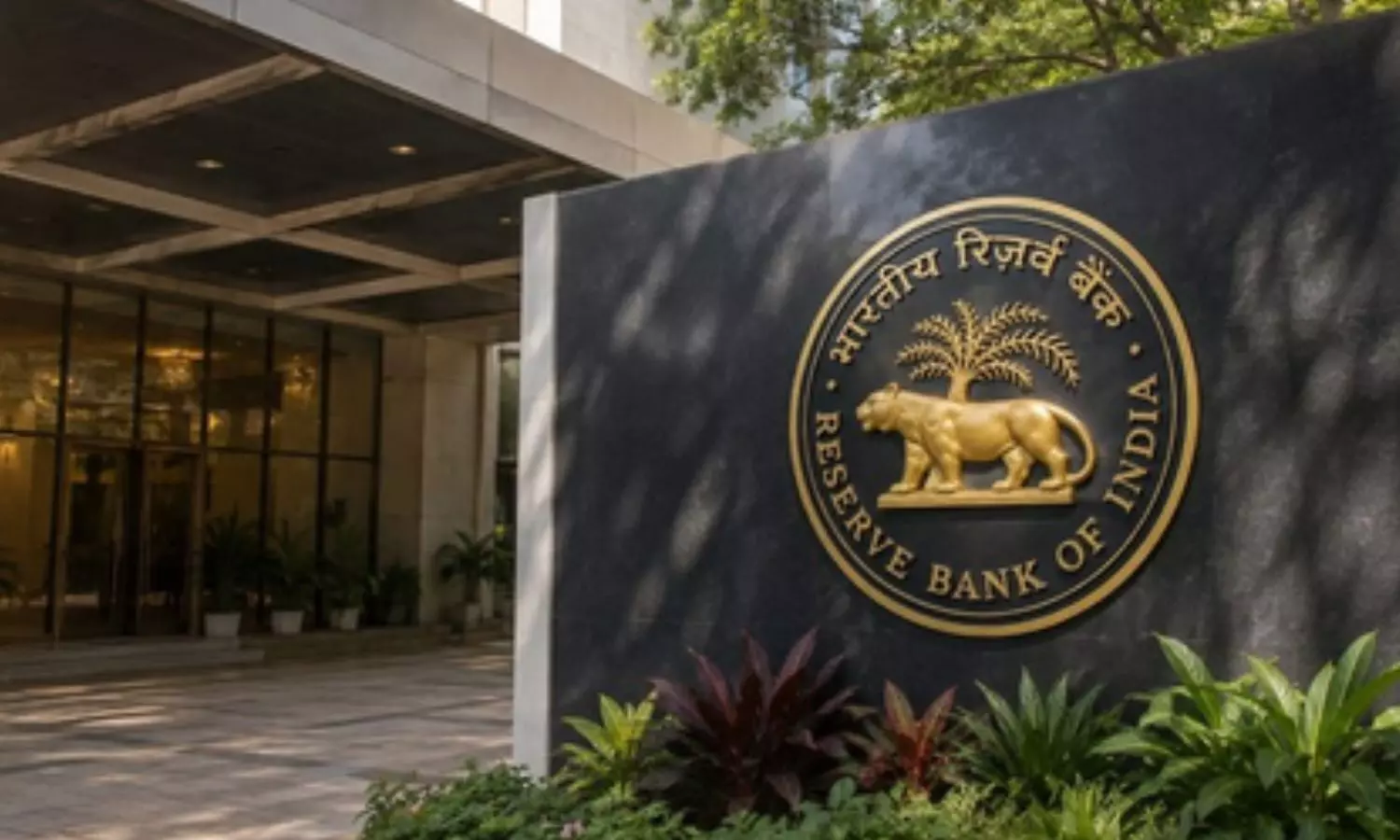
Reserve Bank of India (RBI)
New Delhi: Goldman Sachs' Chief India Economist Santanu Sengupta said the Reserve Bank of India is likely to raise interest rates three more times by June 2027, totalling about 75 basis points, a new report has said.
The report from NDTV Profit cited Sengupta said that India should still manage roughly 7 per cent economic growth. Sengupta warned that El Nino poses a material downside risk to growth and an upside risk to inflation in 2027.
Despite that, India will be able to achieve approximately 7 per cent economic growth, which is impressive considering that we are an oil importer operating within this type of global climate, he said.
Goldman Sachs has projected that the RBI will implement rate hikes in December, February, and either April or June.
"We would have one more hike in February, and after that perhaps the RBI can take a break to evaluate the situation, and then implement one final hike in April or in June," Sengupta said.
The economist stressed that El Nino has yet to be fully accounted for by many financial market participants as climate threats pose a greater risk for 2027 than for 2023.
Though the kharif harvest will be relatively unaffected by the El Nino event, it represents a more back-end risk, Sengupta said.
He noted that current inventory levels will help contain inflationary pressures for the immediate future. "El Nino Lower reservoir levels may harm the rabi harvest. Additionally, with diminished stock levels by 2027, inflation could accelerate into 2027,” Sengupta said.
"There is a downside to economic growth and an upside to inflation as a result of El Nino in 2027," he added.
He flagged crude oil as the biggest risk, saying projections assume $85–$95 per barrel but sustained $100-plus oil would represent a greater impediment to economic growth and inflation.
"There is little additional scope for stimulating the economy through either GST cuts or income tax cuts," Sengupta added.
CM Adityanath announces renaming of Noida airport as Narendra Modi International Airport
Israel to award brave Indian pilot Captain Smit Machchhar with Presidential Award for Civilian Heroism
Stay alert while buying fireworks: CCC chairman warns of quality, price cheats
Additional Halt at Yadadri for Festival Special Trains
Prez to Meet Opposition Delegaton at 8 PM
Supreme Court gives nod for local body elections in AP
Delhi Turns into a Fortress Amid Hectic Political Activity Against CEC
Supreme Court dismisses AP’s Petition on 34 % BC reservations
Bypoll Results 2026: BJP Leads In Bengal And Assam, Vijay’s TVK Faces Test In Tamil Nadu
Dasara holidays for schools to begin from tomorrow in AP


