Congress in Gujarat: A Journey Through Time and Legacy

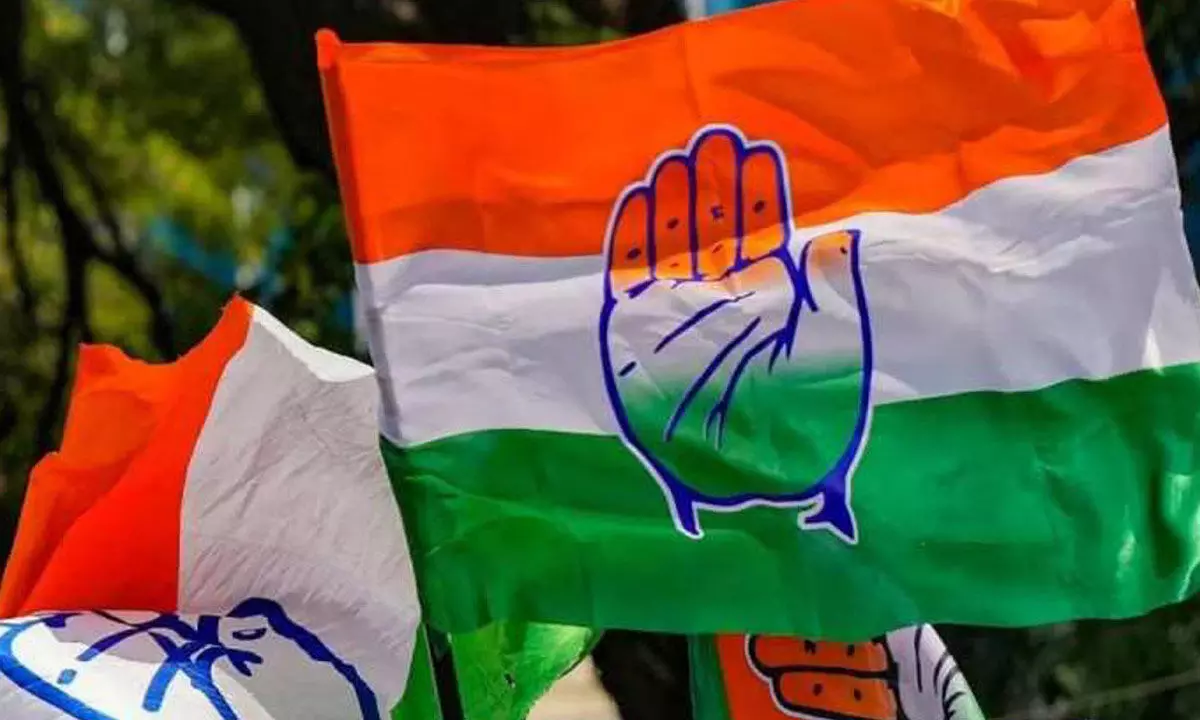
As the Indian National Congress gears up for its 6th session in Gujarat—scheduled to be held in Ahmedabad on April 8-9—it marks a moment rich in symbolism, history, and political relevance
Congress 6th Session Gujarat, Nyaypath Theme AICC, Rahul Gandhi Congress Strategy, Gujarat Political History, Congress Youth Leadership, Future of Indian National Congress This will be only the second session in Gujarat since Independence, and the third in Ahmedabad since the party’s inception in 1885. The Congress’s return to Gujarat is more than a political event; it is a symbolic homecoming to a land that gave India two of its greatest leaders—Mahatma Gandhi and Sardar Vallabhbhai Patel.
The Congress has always shared a deep historical connection with Gujarat. Its five previous sessions in the state were held at turning points in India’s freedom struggle and democratic evolution. The upcoming All India Congress Committee (AICC) session seeks to carry that legacy forward under the theme “Nyaypath: Sankalp, Samarpan and Sangharsh.” The session is expected to pass key resolutions to define the party’s future direction—provided it doesn’t get derailed by excessive rhetoric against Prime Minister Narendra Modi. Unfortunately, early indicators suggest that they might dominate the proceedings.
Young leader Sachin Pilot has said that a generational shift is underway in the party, emphasising accountability and ideological clarity as the need of the hour. However, the speeches by Rahul Gandhi and Mallikarjun Kharge are expected to largely focus on criticising the BJP government, raising issues such as the Waqf Act, and accusing the saffron party of indulging in religion-based politics. The party is also likely to reiterate its demand for a nationwide caste census.
This session, however, offers a genuine opportunity for the Congress—if it chooses to seize it. A clear roadmap to empower the youth and women among the Backward Classes (BCs), Scheduled Castes (SCs), Scheduled Tribes (STs), and minorities could significantly bolster its political relevance. These communities form the largest segments of the Indian population, and their adequate representation is not just desirable, but essential.
Once politically dominant in Gujarat, the Congress has been on a steady decline over the past two decades. A key drawback is the absence of visionary leaders like its former president Surendranath Banerjee, who in 1902 delivered a stirring presidential address highlighting the impermanence of autocratic rule and calling for authority grounded in popular will. He had declared that the Congress had entered a period of reconstruction. The question now is: will Sonia Gandhi, Kharge, or Rahul Gandhi rise to that level of thought and conviction?
Historically, Congress’s Gujarat sessions have been significant. The second AICC session in Surat, led by Rash Behari Ghose, witnessed the party’s first major split, with internal conflicts between moderates and extremists coming to their heads. The third session in Gujarat took place in Ahmedabad on December 27-28, 1921, under the presidentship of Hakim Ajmal Khan, with notable leaders like Motilal Nehru, C Rajagopalachari, and M A Ansari serving as general secretaries.
The fourth session was held in Haripura from February 19-21, 1938, under the leadership of Netaji Subhas Chandra Bose. It was historic not only because of Bose’s presidency but also for his advocacy of Planning Commission and his vision of Congress’s role post-independence.
As the Congress returns to Gujarat for the sixth time, one hopes this session does not end as just another routine affair—they came, they spoke, they left. India needs a strong and vibrant opposition. Yet, the Congress, increasingly reliant on appeasement politics and sorely lacking dynamic young leadership, continues to disappoint. If the party truly wishes to bounce back to power, it must adopt a strategy of inclusive politics—one rooted in ground realities, forward-looking policies, and credible leadership.