AI and experiential learning: Bridging minds with machines in modern classrooms
strategies, tools, and real-world practices for educators in the AI era
“In an era where artificial intelligence is rapidly transforming the fabric of modern education, Artificial Intelligence and Experiential Learning: Bridging Minds with Machines in Modern Classrooms by Dr. Amit Joshi emerges as a timely and thought-provoking exploration. Authored with a clear vision for the future of pedagogy, the book offers a rich tapestry of insights, practical strategies, and innovative tools tailored for educators navigating the shifting paradigms of the AI era.”
The premise is bold yet necessary: that the traditional boundaries of classroom learning must expand to integrate the dynamic, data-driven capabilities of AI with the human-centered approach of experiential education. In doing so, the authors bridge a critical gap between technological advancement and pedagogical philosophy. What sets this book apart is its balanced lens-it neither romanticizes AI nor critiques it blindly, but rather, examines it as a powerful partner in reimagining the learning experience.
Structured with both academic rigor and pragmatic accessibility, the text serves educators at all levels-from early adopters of Ed-Tech to cautious newcomers seeking guidance. Through well-curated case studies, actionable frameworks, and grounded real-world applications, the book underscores how AI can enhance creativity, collaboration, and critical thinking-cornerstones of meaningful learning.
As the educational landscape continues to evolve, this book positions itself as an essential resource, prompting educators to reflect not only on what students learn, but how they learn in an age increasingly defined by intelligent machines. A must-read for forward-thinking teachers, policy makers, and academic leaders.
Artificial Intelligence and Experiential Learning: Bridging Minds with Machines in Modern Classrooms offers a deeply insightful and timely examination of how experiential learning can be reimagined and revitalized through the lens of artificial intelligence. The authors begin by grounding readers in a clear and accessible understanding of experiential learning, emphasizing its role in fostering active, student-centered engagement rather than passive knowledge consumption.
A highlight of the book is its comprehensive exploration of the Experiential Learning Cycle, rooted in Kolb’s model, which is effectively contextualized within contemporary classrooms. The cycle’s four stages-concrete experience, reflective observation, abstract conceptualization, and active experimentation-are not merely described, but practically applied through AI-driven scenarios and case studies.
Particularly commendable is the section on K–12 educations, where the authors present both challenges and opportunities in integrating experiential learning within rigid curriculums. They thoughtfully critique the limitations of current strategies in schools, especially those over-reliant on rote memorization and standardized testing, arguing persuasively for a more dynamic, AI-supported alternative.
Technology’s role is portrayed not as a replacement for teachers but as an empowering tool. The book presents a range of emerging tools-from virtual labs to adaptive learning platforms-that can enhance hands-on learning experiences. Still, the authors maintain a balanced perspective, acknowledging the digital divide and ethical concerns.
Overall, this book is a compelling guide for educators seeking to blend time-tested learning theory with cutting-edge technology. It inspires a necessary shift-from teaching to learning, from instruction to experience.
When asked about the relevance of Artificial Intelligence and Experiential Learning, leading academic voices underscored its transformative value. Prof Muddu Vinay, Pro Vice Chancellor of ICFAI Foundation, Bangalore, emphasized, “Strategies, tools, and real-world practices for educators in the AI era must be an integral, compulsory part of core curricula to prepare future-ready learners.” Echoing this vision from a healthcare lens, Dr. R. Aishwarya, MDS in Oral and Maxillofacial Surgery and Senior Resident at Government Dental College, Hyderabad, affirmed, “Integrating AI with experiential learning is vital-not just in academics, but in advancing patient care, wellness guidance, and early detection of health conditions.”
Having delved into the chapters of Artificial Intelligence and Experiential Learning: Bridging Minds with Machines in Modern Classrooms, I found the insights deeply relevant to the evolving educational landscape. The chapter on understanding experiential learning resonated profoundly with me-it makes a compelling case for moving beyond the passive absorption of information. Instead, it advocates a dynamic learning environment where students engage with concepts, reflect on experiences, and apply insights in real-world contexts. This shift from teaching to learning is not just desirable but essential in the AI era.
The Experiential Learning Cycle, comprising Concrete Experience, Reflective Observation, Abstract Conceptualization, and Active Experimentation, provides a robust framework for designing such impactful learning journeys. What I particularly appreciated is the way the authors link each stage to practical classroom applications, illustrating how these cycles can unfold not only in higher education but also in early education settings.
The section on experiential learning in K–12 education stands out for its holistic view. It goes beyond academic outcomes to highlight personal development, environmental awareness, and the expectations of various stakeholders—teachers, parents, and even technology. It rightly identifies that meaningful learning outcomes require collective alignment across these domains.
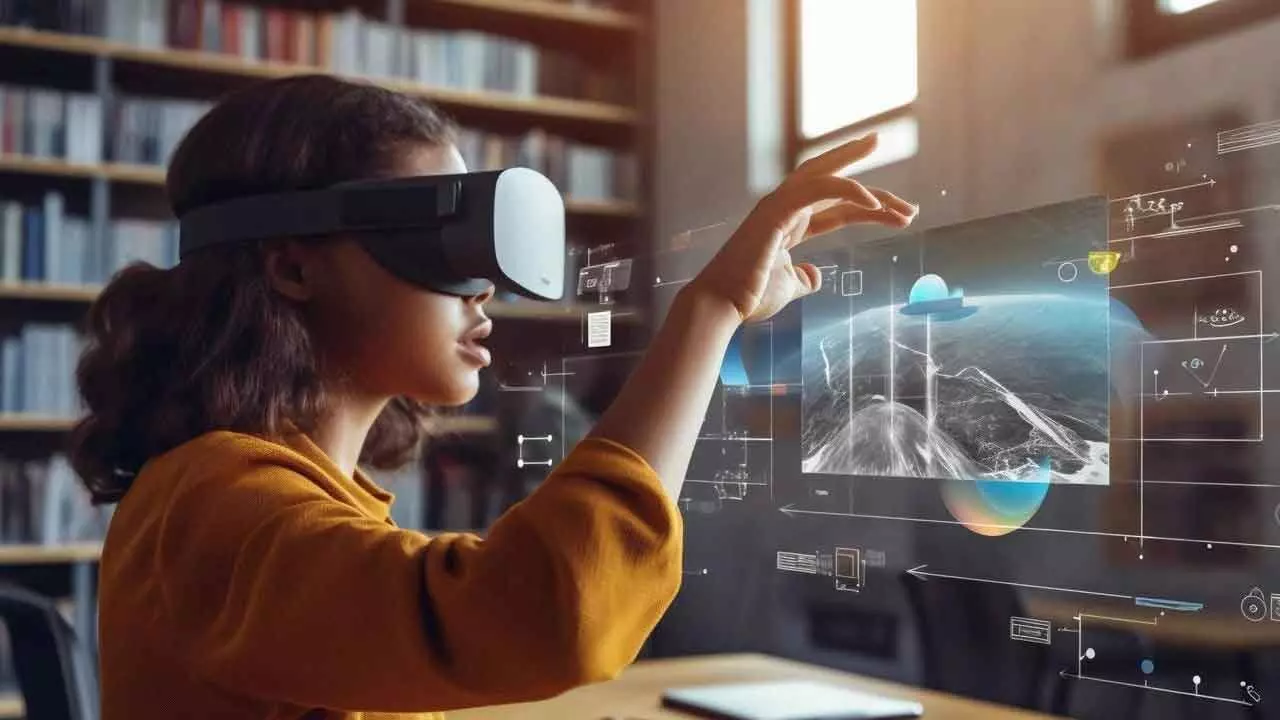
Technology, as explored in the chapter on technology and experiential learning, is not merely a supplement but a transformative force. Concepts like personalized robots, AI tutors, and immersive tools like VR/AR are not futuristic fantasies—they’re becoming essential. What excites me most is the blended model, combining traditional pedagogy with digital innovations to cater to varied learning preferences. Yet, the critique of present learning strategies in schools is sobering. Standardized testing, lack of personalization, limited soft skill development, and minimal tech integration continue to hold learners back. These limitations make a compelling case for reform-placing the student, not the syllabus, at the center.
Finally, the tools of experiential learning section are a treasure trove for educators. From hands-on activities and student-led discoveries to internships, reflection journals, and collaborative problem-solving, the tools outlined are both inspiring and actionable. This book doesn’t just theorize—it equips.
It urges educators to become facilitators of curiosity and architects of experience. In my view, it is a timely manifesto for education in the AI age.
Closing thoughts
In today’s rapidly changing world, education must evolve to meet the demands of a dynamic, technology-driven society. Artificial Intelligence and Experiential Learning: Bridging Minds with Machines in Modern Classrooms presents a timely and forward-thinking perspective on this transformation. From a general standpoint, the book underscores the urgent need to move beyond traditional, lecture-based instruction toward more immersive, personalized, and experiential learning models.
As industries shift and new careers emerge, it becomes essential to equip learners not just with theoretical knowledge but with real-world skills, adaptability, and critical thinking.
The integration of AI and experiential strategies is no longer optional-it’s foundational to preparing future-ready individuals. This book highlights how embracing innovative tools and practices can empower educators to create engaging, reflective, and impactful learning experiences that resonate far beyond the classroom.
(Author serves as Group Head-Corporate Communication at Sai Wardha Power Generation and is a Post-Doctoral Fellow in Media at Srinivas University, Mangalore)