
The significance of World Chimpanzee Day

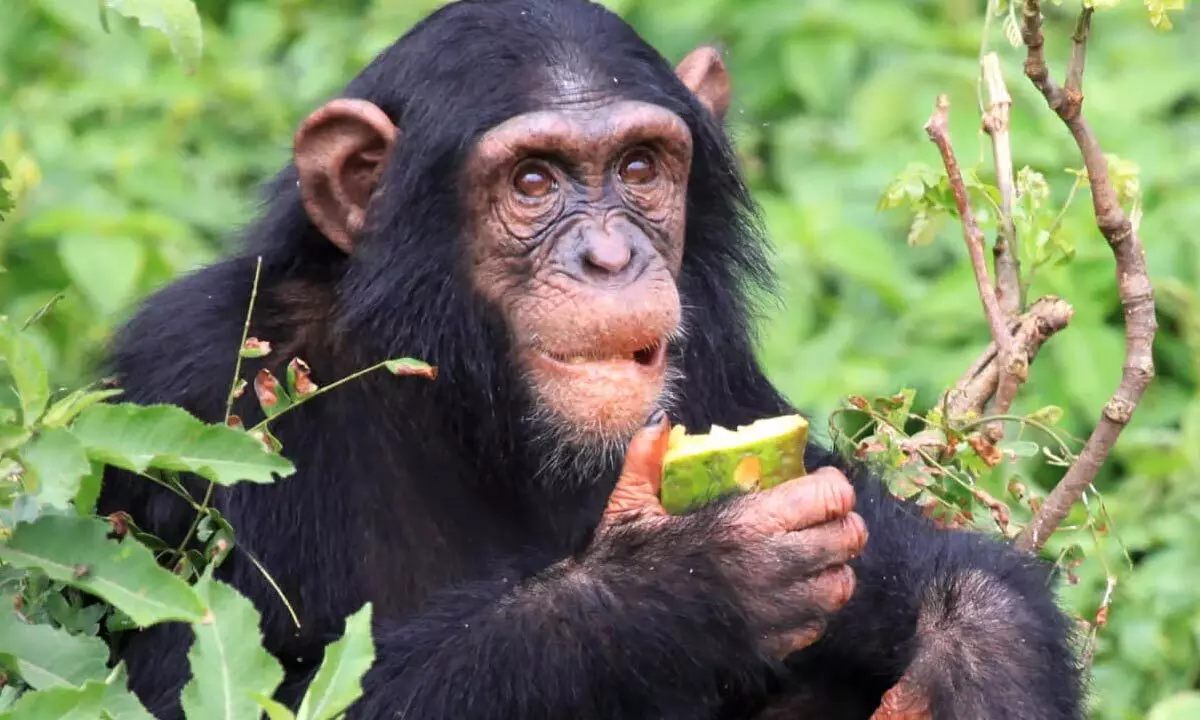
Every year on July 14, the world observes World Chimpanzee Day to raise awareness about one of the closest living relatives in the animal kingdom—chimpanzees. The date commemorates the day in 1960 when Dr. Jane Goodall first set foot in what is now Gombe Stream National Park in Tanzania, beginning her groundbreaking study of wild chimpanzees. Her work revolutionised the understanding of these intelligent primates and sparked a global movement for their conservation.
They are known for their complex social structures, emotional depth, tool use, and remarkable problem-solving abilities. In the wild, they live in communities led by dominant individuals and display behaviours like cooperation, play, and even mourning—traits once thought to be uniquely human.
World Chimpanzee Day serves not just as a celebration, but also as a call to action. It reminds of the responsibility to protect these extraordinary beings and the ecosystems they depend on.
Conservation efforts, ethical research, habitat protection, and education all play vital roles in ensuring their survival.
World Chimpanzee Day offers an opportunity to advocate for empathy, science, and sustainability—ensuring that future generations inherit a world where chimpanzees can thrive, not just survive.








