Kamal Haasan Stands Firm On Kannada-Tamil Language Remarks, Refuses To Apologize

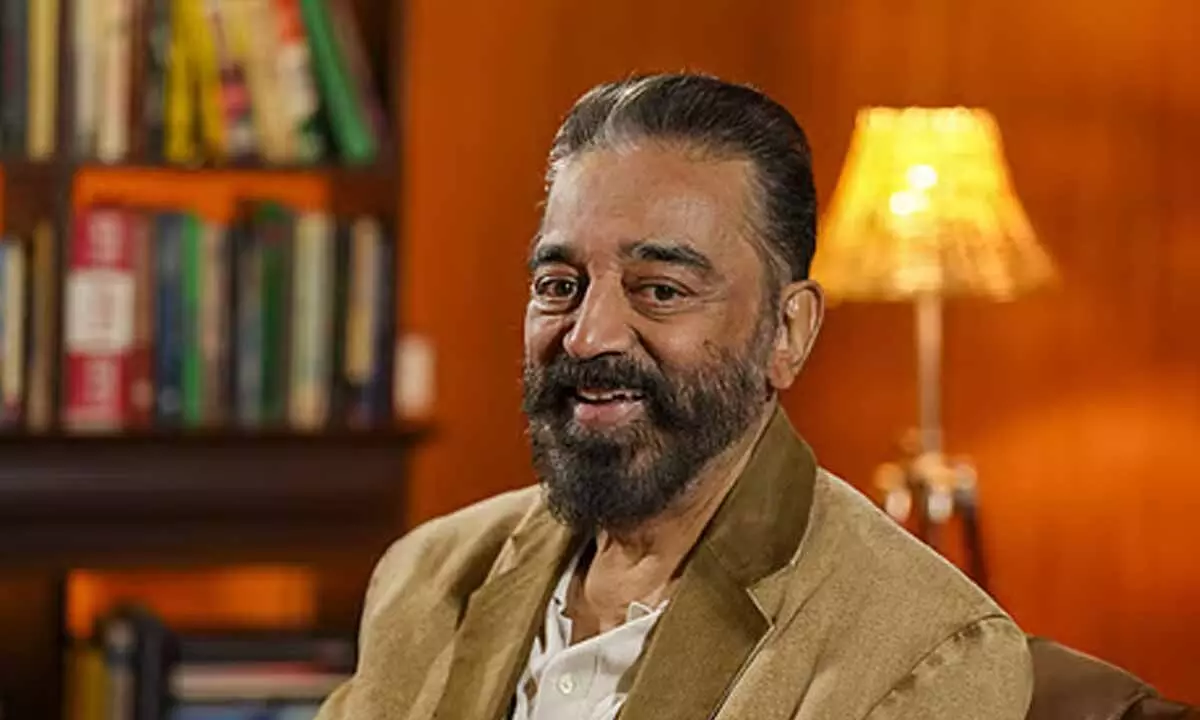
Veteran actor Kamal Haasan refuses to apologize for claiming Kannada originated from Tamil, leading to film ban in Karnataka and widespread controversy across South India.
Veteran actor and politician Kamal Haasan has firmly rejected demands for a public apology regarding his controversial statement about the Kannada language's origins, maintaining his position that he will only apologize if proven wrong. The 70-year-old actor's defiant stance has intensified the linguistic controversy that erupted after his remarks during a promotional event for his upcoming film "Thug Life."
Speaking exclusively to India Today, Haasan emphasized his principled approach to the situation, stating that apologizing when not at fault goes against his personal philosophy. He characterized his stance as a lifestyle choice that should not be interfered with, while affirming his belief in India's democratic values and legal system.
The controversy began when Haasan made statements during a film promotion event where he declared that Kannada was born out of Tamil. Speaking at the event, he began with the phrase "Uyire Urave Tamizhe," meaning "My life and my family is Tamil," before explaining that Kannada actor Shivarajkumar, who was present, represented family living in another state. Haasan then made the contentious claim that the Kannada language originated from Tamil, suggesting this linguistic connection justified including Karnataka's people in his familial reference.
The remarks triggered immediate backlash across Karnataka, with pro-Kannada organizations, cultural groups, and political leaders demanding an apology from the actor. The Karnataka Film Chamber of Commerce responded by announcing a complete ban on the release of "Thug Life" in the state, following through on their ultimatum for Haasan to issue a public apology.
When confronted about the threats and potential consequences of his statements, Haasan displayed characteristic composure, simply noting that he had faced threats before and remained undeterred by the current situation.
Karnataka's political establishment has unanimously condemned Haasan's remarks, with leaders across party lines expressing their displeasure. Chief Minister Siddaramaiah criticized the actor's understanding of Kannada's historical significance, emphasizing the language's extensive and independent heritage. The Chief Minister suggested that Haasan lacked awareness of Kannada's rich linguistic tradition and deep historical roots.
State Minister Shivaraj Tangadagi, who oversees Backward Classes Welfare, Kannada, and Culture portfolios, went further by formally requesting the film ban and writing to the Film Chamber. His letter argued that Haasan's statements had deeply wounded the sentiments of all Kannadigas and that such remarks about their land, water, and language were intolerable regardless of the speaker's stature.
The ruling Congress party in Karnataka described Haasan's comments as reflecting ignorance about Kannada's greatness, while the opposition BJP demanded an immediate apology, accusing the actor-politician of disrespecting the language and its speakers.
However, the Tamil film industry has rallied behind Haasan, with several prominent actors and industry figures defending his position. Kollywood personalities including Divya Spandana and Vinodhini Vaidyanathan have supported the actor, arguing that all South Indian languages belong to the Dravidian family and characterizing the controversy as unnecessary drama.
The supporters have emphasized the linguistic connections between Dravidian languages while dismissing the outrage as an overreaction to academic observations about language evolution and relationships.
The controversy has taken on additional political dimensions given Haasan's role as head of Makkal Needhi Maiam, a political party allied with the ruling DMK in Tamil Nadu. Reports suggest that Haasan is being considered as the DMK's nominee for a Rajya Sabha seat, adding political stakes to the linguistic dispute.
The incident highlights the sensitive nature of language politics in South India, where linguistic identity remains deeply intertwined with regional pride and cultural heritage. The controversy demonstrates how academic discussions about language origins can quickly escalate into major political and cultural disputes when they touch upon regional sensitivities and historical narratives that communities hold dear.