Traditional Food Storage Hacks That Work Without Fridge

Remote communities use age-old, electricity-free food storage methods that reduce waste and preserve freshness using natural elements.
In a world hooked on refrigeration, countless remote communities across the globe are thriving without electricity or modern appliances. Their secret? Time-honored, eco-friendly food preservation methods that are as effective as they are sustainable. Passed down through generations, these traditional practices prove that nature itself offers powerful solutions to keeping food fresh.
These resourceful techniques not only minimize food spoilage but also highlight a deep respect for natural cycles. Here are seven tried-and-tested food storage hacks still in use today, offering a glimpse into the wisdom of off-grid living.
1. Zeer Pots: The Natural Clay Fridge
Popular in arid regions like Africa, the Middle East, and rural Rajasthan, Zeer pots—also known as pot-in-pot coolers—are ingenious clay refrigerators. A smaller clay pot is placed inside a larger one, and the gap between them is filled with wet sand. Covered with a damp cloth, this setup uses evaporative cooling to lower the temperature, keeping vegetables, milk, and cooked food fresh for a day or two.
2. Hanging Baskets Over Running Water
In hilly areas such as Himachal Pradesh and Uttarakhand, natural mountain streams are cleverly used to chill perishables. Food is stored in netted baskets or pots and suspended over flowing water. This method keeps items cool, aerated, and safe from animals and insects, thanks to the constant water movement and airflow.
3. Salting and Sun-Drying
Long before refrigeration, salt and sunlight were trusted preservers. In coastal Kerala, Tamil Nadu, Ladakh, and Northeast tribal regions, fish, meat, and vegetables are preserved by salting and drying under the sun. For example, salted mango slices can be sun-dried and stored for months, ready to spice up any dish later.
4. Cooling with Earthenware Pots
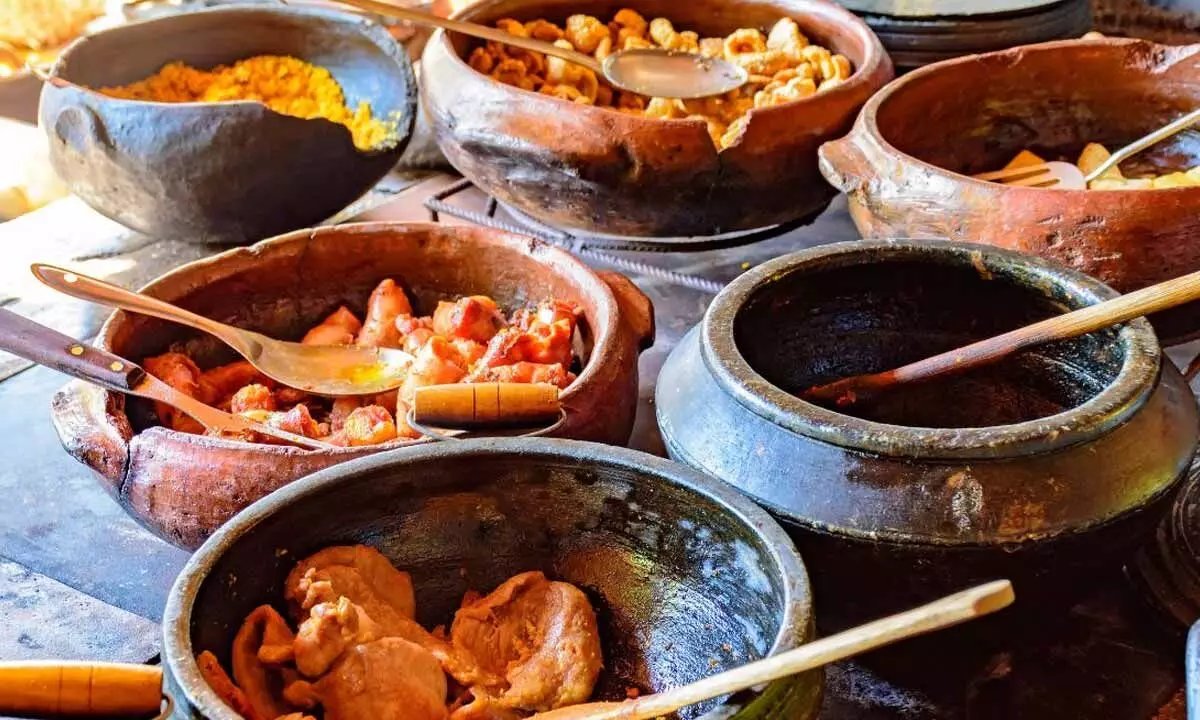
In states like Gujarat and Madhya Pradesh, clay pots or matkas are used to naturally cool items like water, buttermilk, and rice. These porous vessels allow evaporation, keeping contents cool without needing power. To boost cooling, pots are often wrapped in damp jute cloth and placed in shady corners. Airtight sealing is avoided to let the pots “breathe.”
5. Underground Pit Storage
In colder regions like Kashmir and parts of Nepal, underground pits or cellars provide stable, cool environments ideal for storing root vegetables and grains. This natural insulation keeps potatoes, carrots, and millets fresh for months without refrigeration.
6. Natural Fermentation
The Himalayan regions are known for their expertise in fermentation. Foods like gundruk, sinki, and fermented radish are not only preserved without electricity but also become richer in flavour and nutrients. Fermentation also supports gut health, making it a wholesome storage technique.
7. Ash and Husk Preservation
In rural parts of Maharashtra and Odisha, ash and husk are used to extend the shelf life of root vegetables. Items like turmeric, ginger, garlic, and sweet potatoes are buried in a dry mix of these materials, stored in baskets or clay pots. This prevents moisture buildup and protects against insect infestations.
These age-old techniques continue to serve millions living off-grid, offering practical lessons in resilience, sustainability, and harmony with nature. In an era of increasing energy concerns and food waste, looking back might just be the way forward.