Why Tandoori Flavours Are Dominating International Barbecue Trends

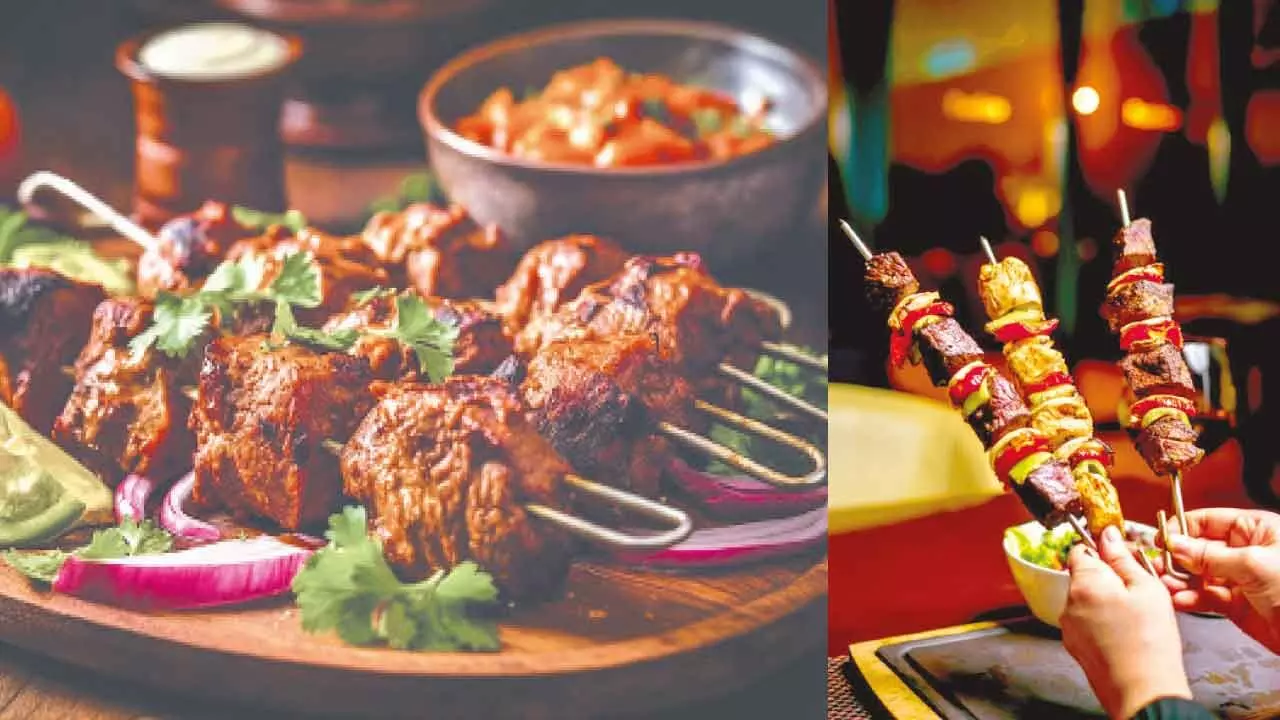
Once a humble North Indian cooking tradition, tandoori flavours have ignited a global culinary revolution. From smoky meats to vibrant marinades, the age-old tandoor technique is redefining how the world experiences barbecue. Here’s why tandoori has become the hottest trend on international grills
Barbecue culture has long been associated with smoky meats, marinades, and slow cooking over open flames. From Texas-style briskets to Korean bulgogi, every cuisine has its signature approach to the grill. Yet in recent years, one culinary tradition has swept into global barbecue conversations with force—India’s tandoori flavours. Once a regional cooking technique confined to clay ovens in North India, tandoori has now become a global star, influencing chefs, food trucks, fine-dining menus, and even home kitchens from London to Los Angeles. But what exactly is behind this widespread rise of tandoori flavours in international barbecue trends?
A Perfect Blend of Fire, Smoke, and Spices
At the heart of tandoori cuisine lies a unique interplay of heat and seasoning. The traditional tandoor—an earthen oven that burns at temperatures reaching 450–480°C—creates an intense, smoky char that is difficult to replicate with conventional grills. When marinated meats, vegetables, or breads like naan and kulcha enter the tandoor, they emerge with a distinctive flame-kissed flavour that appeals not just to Indian palates but to global tastebuds.
The marinade itself, typically made with yoghurt, lemon, ginger, garlic, and a mix of spices such as cumin, coriander, garam masala, and the iconic fiery-red chilli, delivers layers of complexity. International barbecue enthusiasts, who already appreciate spice rubs and smoking techniques, are naturally drawn to the depth and fragrance of tandoori seasoning.
Health Meets Flavour
Another major reason for tandoori’s rise on the international stage is its alignment with modern wellness trends. With growing focus on healthier ways of cooking, diners are increasingly looking for options that keep flavour intact without excess oil or frying. Tandoori cooking naturally fits that demand. The high heat of the tandoor seals moisture into the food, producing tender, juicy results without heavy fats. For health-conscious diners who still crave bold flavours, tandoori offers an ideal alternative to deep-fried dishes or overly sugary barbecue sauces.
Moreover, restaurants and home chefs worldwide have started adopting tandoori-inspired marinades for lean proteins like fish, shrimp, and even tofu. The result is a global reinterpretation of Indian flavours that appeals to vegetarians, vegans, and flexitarians alike.
Fusion Food Revolution
The global food scene has witnessed a strong wave of fusion and experimentation, and tandoori flavours have been central to that movement. International chefs love reimagining classics, and tandoori dishes provide the perfect starting point for creativity. Today, one can find tandoori tacos in Mexico City, tandoori chicken pizza in Italy, tandoori wings at American sports bars, and tandoori-spiced kebabs in Middle Eastern restaurants.
This seamless fusion is made possible by the adaptability of tandoori seasoning. Its smoky, tangy profile complements a wide variety of cuisines—Mediterranean flatbreads, Asian stir-fries, Latin American grilled meats, and even European-style sandwiches. The global palate is more adventurous than ever, and tandoori spice blends add an instant punch that enhances cross-cultural dishes.
Diaspora Influence and Global Accessibility
The Indian diaspora has played a pivotal role in spreading tandoori flavours worldwide. Indian communities in the UK, Canada, Australia, the Middle East, and the US have introduced their food traditions to their host countries, resulting in tandoori dishes becoming mainstream. London’s curry houses, Dubai’s Indian fine-dining hubs, and New York’s modern Indian kitchens have all become ambassadors of tandoori cooking.
Additionally, with better access to Indian spices through globalised markets and online shopping, home cooks everywhere can easily experiment with tandoori blends. Ready-made tandoori masala mixes, bottled marinades, and even portable tandoor-inspired grills have made the technique accessible to a wider audience.
The Rise of Fine-Dining Interpretations
Beyond street food and casual dining, tandoori cooking has also entered the realm of fine dining. Michelin-starred Indian restaurants and global chefs specialising in contemporary cuisine are exploring tandoori techniques in sophisticated, artistic presentations. Instead of the usual bright-red tandoori look, these chefs often opt for natural colours and subtle smokiness, balancing tradition with modern plating.
Such elevated versions of tandoori cuisine have helped reposition Indian flavours as refined, innovative, and globally relevant. The tandoor, once a rustic village oven, has been embraced in luxury kitchens, further boosting its international prestige.
A Universal Flavour Profile
Ultimately, what makes tandoori flavours so appealing is their universal flavour profile: smoky, tangy, spicy, aromatic, and deeply satisfying. Barbecue lovers around the world resonate with these characteristics, making tandoori a natural fit in international grilling culture. The technique enhances almost any ingredient, whether it's paneer, lamb chops, cauliflower, prawns, or even potatoes.
As global cuisine continues to evolve, tandoori flavours will likely remain at the forefront of barbecue trends. Its authenticity, adaptability, and unforgettable taste have earned it a place on the world stage—proving that Indian flavours are not just surviving but thriving in international culinary conversations.
(The writer is an Executive Chef, The Imperia by Dhaba, USA)