Green Careers 2030: Emerging Opportunities for Study Abroad Graduates

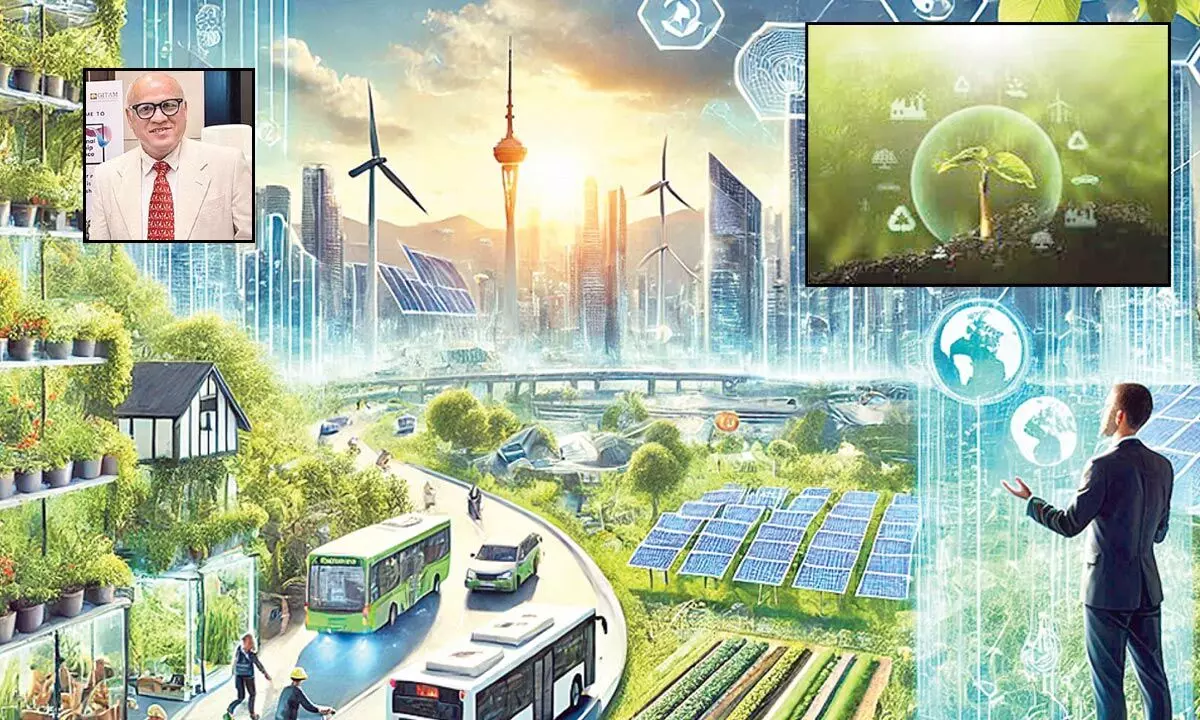
As the world races toward a more sustainable future, the demand for green jobs is on the rise. By 2030, the green economy is projected to become a $10 trillion industry
As the world races toward a more sustainable future, the demand for green jobs is on the rise. By 2030, the green economy is projected to become a $10 trillion industry, driven by the urgent need to combat climate change, reduce carbon emissions, and adopt environmentally conscious practices. For graduates pursuing education abroad, this transformation offers an array of promising career opportunities in emerging green sectors.
The Rise of the Green Economy
The green economy encompasses industries and practices aimed at fostering environmental sustainability while driving economic growth. This includes renewable energy, sustainable agriculture, green building, waste management, and climate technology. As countries work to meet the United Nations Sustainable Development Goals (SDGs) and adhere to global climate agreements, businesses, governments, and institutions are making unprecedented investments in green infrastructure and innovation.
The transition to a green economy is not only a response to environmental challenges but also a significant generator of employment. According to the International Labour Organization (ILO), 24 million new green jobs could be created globally by 2030, provided the right policies are implemented. This is where study abroad graduates come into the picture, equipped with the global perspectives, technical expertise, and intercultural skills needed to thrive in these roles.
Emerging Green Career Opportunities
Study abroad graduates, particularly those with degrees in environmental science, engineering, urban planning, and sustainability management, will find themselves at the forefront of the green revolution.
Renewable Energy
The renewable energy sector is booming, with solar, wind, and hydroelectric power leading the charge. Graduates specializing in energy engineering, environmental policy, or sustainability can contribute as renewable energy analysts, project managers, or engineers. Countries like Germany, Denmark, and the United States, known for their advanced renewable energy programs, are particularly attractive destinations for students looking to enter this field.
Sustainable Urban Development
As urban populations grow, there is a pressing need for sustainable city planning. Graduates with expertise in urban design, architecture, or environmental planning can work on projects involving green buildings, smart cities, and eco-friendly transportation systems. Study destinations like the Netherlands and Singapore, which are global leaders in sustainable urban development, offer valuable hands-on experience in this domain.
Climate Technology (ClimateTech)
ClimateTech is emerging as a transformative sector that leverages technology to address environmental challenges. Innovations such as carbon capture, climate modeling, and AI-driven solutions for resource efficiency are gaining momentum. Graduates with backgrounds in computer science, data analytics, and environmental science are well-suited for roles as ClimateTech developers, researchers, or consultants.
Circular Economy and Waste Management
The circular economy focuses on minimizing waste and maximizing resource efficiency. Careers in this area involve developing strategies for recycling, upcycling, and sustainable product design. Graduates can work as sustainability consultants, waste management specialists, or product lifecycle analysts, helping companies transition to more sustainable practices.
Sustainable Agriculture and Food Systems
The agricultural industry is undergoing a green transformation with the adoption of organic farming, vertical farming, and precision agriculture. Study abroad graduates in agronomy, environmental science, or food technology can play pivotal roles in ensuring food security while minimizing environmental impact. Countries like Australia, New Zealand, and Canada are known for their advanced research in sustainable agriculture.
Why Study Abroad Graduates Are Uniquely Positioned
Graduates from international programs bring a unique blend of skills and experiences to the table.
Global Perspective: Exposure to diverse cultures and environmental challenges enables them to devise innovative, globally relevant solutions. Access to Advanced Research: Many study destinations, such as Germany, Sweden, and Japan, are at the forefront of green research and innovation, providing students with cutting-edge knowledge and training. Networking Opportunities: International education facilitates connections with global experts, organizations, and peers, opening doors to impactful collaborations.
Interdisciplinary Skills: Study abroad programs often emphasize interdisciplinary approaches, combining technical expertise with communication and management skills essential for green roles.
Navigating the Job Market
To succeed in the green economy, study abroad graduates must strategically position themselves by acquiring the right skills and experiences. Gain Specialized Knowledge: Pursue certifications or advanced degrees in sustainability, renewable energy, or environmental management. Internships and Research: Participate in internships or research projects related to green industries during your studies abroad.
Build a Portfolio:Showcase your contributions to sustainability initiatives or projects in your portfolio or LinkedIn profile.
Leverage University Networks:Use your university’s career services and alumni networks to identify job opportunities in green sectors.
Stay Updated:Follow trends and developments in green industries by subscribing to relevant publications and joining professional organizations.
The shift toward a green economy is reshaping the global job landscape, offering unprecedented opportunities for study abroad graduates. By aligning their education and skills with the demands of the green economy, these graduates can become key drivers of sustainability and innovation. Whether it’s developing renewable energy solutions, designing sustainable cities, or advancing climate technology, the possibilities are vast and impactful.
(The writer is a Senior Professional in the Education Industry)