




- CPI demands alternative business spaces for displaced street vendors
- SP lays foundation stone for policemen’s barracks
- Declare Telangana a drought-hit state; release relief funds: Kunamneni
- SBIT celebrates ‘Aarambh’ Freshers’ Day with enthusiasm
- Residents vent ire against move to relocate RUB in Safilguda
- NDCCB reviews financial growth at 104th annual general body meeting
- Paramita Heritage School wins top honours at international cultural festival
- NTPC Ramagundam concludes beautician training programme under CSR initiativ
Early recognition of respiratory emergencies saves lives
In Short
Recognizing warning signs of severe breathing difficulties and understanding critical care management at The Deccan Hospital, Somajiguda, Hyderabad.

Share :
Early recognition of respiratory emergencies saves lives
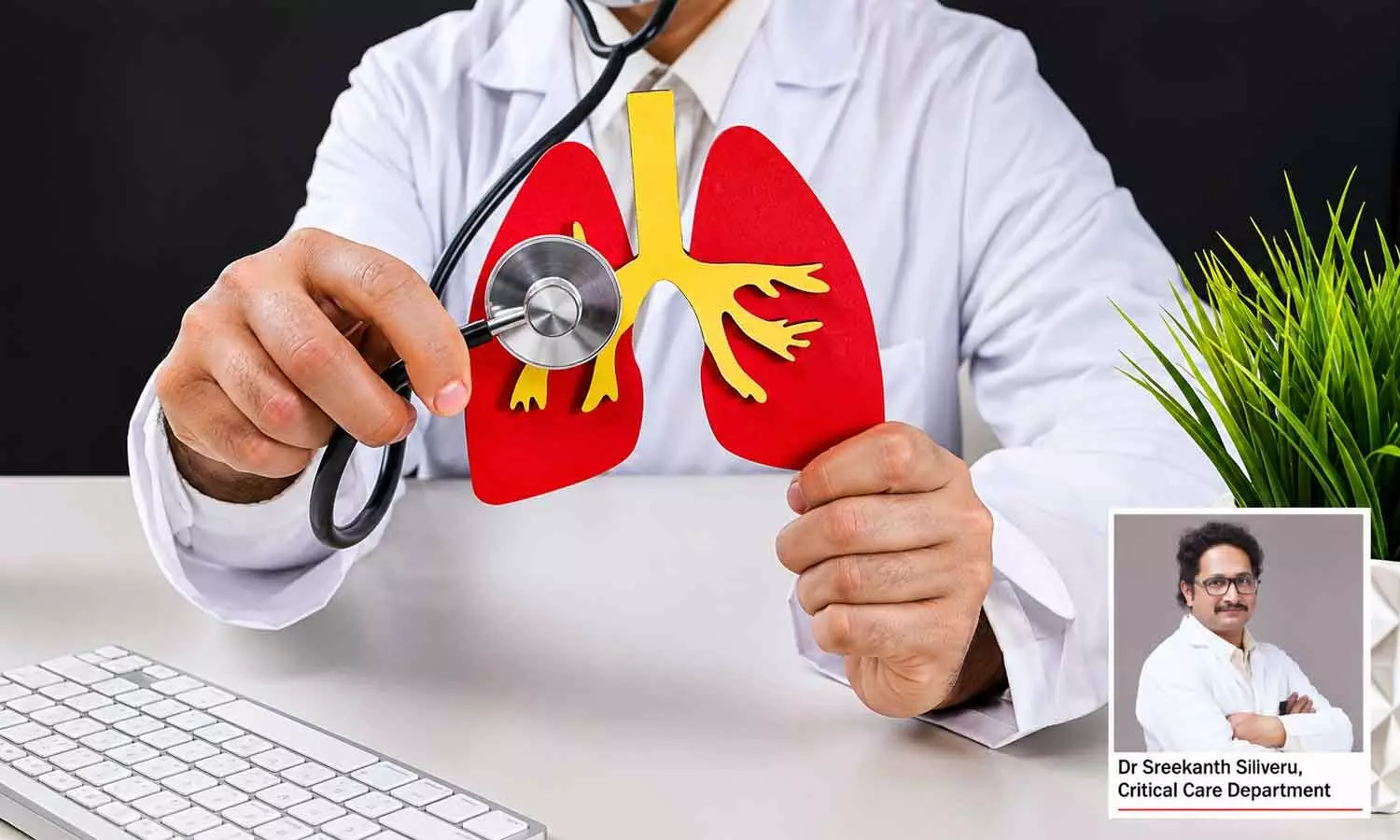
Hyderabad: Breathing difficulties can sometimes signal a serious, life-threatening medical condition requiring immediate clinical attention. From severe respiratory infections and pneumonia to acute asthma attacks and sudden respiratory failure, these urgent medical emergencies demand prompt assessment, appropriate medical treatment, and continuous patient monitoring. The Critical Care Department at The Deccan Hospital in Somajiguda, Hyderabad, plays a vital role in evaluating and managing critically ill patients. A coordinated approach involving emergency medical professionals, treating doctors, and critical care specialists remains essential for timely clinical decision-making and proper patient management.
Severe breathlessness, rapid or laboured breathing, persistent chest pain, bluish discolouration of the lips, acute confusion, and difficulty speaking in complete sentences represent crucial warning signs that should never be ignored by patients or caregivers. Individuals experiencing severe breathing difficulties or a sudden deterioration in their physical condition require immediate emergency medical assessment. Early recognition of these key indicators helps prevent dangerous delays in crucial treatment.
Respiratory emergencies may result from severe pneumonia, dangerous chest infections, acute asthma, chronic obstructive pulmonary disease, serious systemic allergic reactions, heart-related medical conditions, or dangerous blood clots in the lungs. Identifying the underlying cause remains essential because each specific clinical condition requires a tailored treatment approach. Medical teams assess patient symptoms, comprehensive medical history, blood oxygen levels, and other vital parameters to determine the most effective course of immediate action. In respiratory emergencies, prompt medical evaluation and appropriate treatment make a decisive difference. Depending on patient condition, emergency management includes structured oxygen therapy, targeted medicines, diagnostic investigations, respiratory support, and close clinical monitoring. Patients suffering from severe respiratory failure may require non-invasive ventilation or mechanical ventilation within an intensive care unit. Continuous reassessment enables medical teams to identify physical deterioration quickly and adjust treatment regimens according to evolving patient needs.
Effective emergency healthcare relies heavily on rapid assessment, clinical expertise, coordinated teamwork, and immediate access to appropriate medical support infrastructure. At The Deccan Hospital, dedicated emergency and critical care teams focus on prompt evaluation and comprehensive management of individuals presenting with acute medical conditions. Personal clinical attention, rigorous monitoring, and transparent communication with patients and their families remain central elements of compassionate healthcare delivery. The hospital’s emergency and critical care services aim to support patients through urgent health crises with timely clinical decision-making and specialized treatments.
Older adults, individuals living with chronic heart or lung diseases, diabetic patients, and individuals with compromised immune systems must remain particularly vigilant regarding worsening respiratory symptoms. Persistent breathlessness, increasing respiratory distress, or sudden alterations in consciousness warrant immediate emergency evaluation.
If an individual develops severe breathing difficulty, caregivers should seek emergency medical assistance immediately without delay. Assisting the patient to maintain a comfortable upright sitting position can help make breathing easier. Following professional medical instructions while avoiding unprescribed home remedies is essential. Because respiratory emergencies progress rapidly, recognizing warning signs and securing timely care makes a critical difference in patient survival outcomes.
Telangana home to whopping 2-lakh belt shops
TG looks to expedite Tummidihetti plans
Now, basmati cheaper than Sona Masuri as rice prices soar
Don’t ignore fossil fuels while promoting clean energy
Dark money on Dalal Street: The court shuts the door on sunlight
The larger the number of devotees, bigger the need for a strong security cover


