Simple Diet Changes That Can Help Tackle Vitamin D Deficiency Naturally

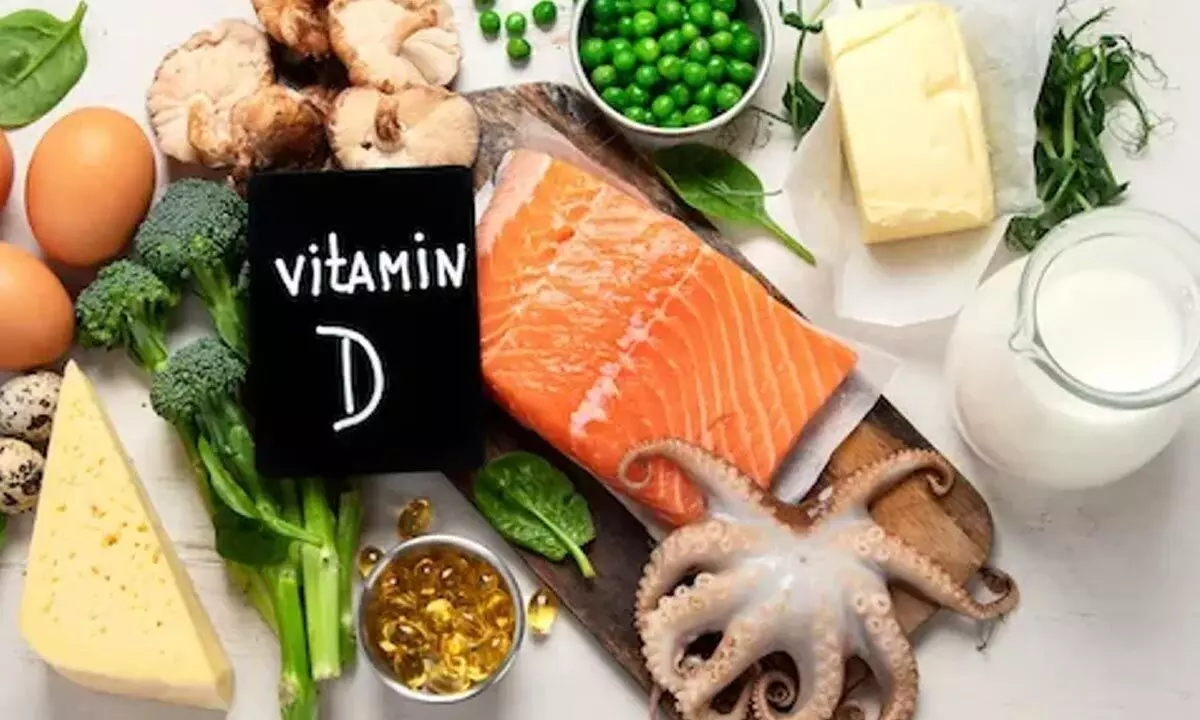
Adding everyday foods like fish, eggs, fortified milk, and mushrooms can naturally improve Vitamin D levels and overall health.
Vitamin D deficiency has quietly become one of the most common nutritional concerns today, affecting people across age groups — even in sunny, tropical countries like India. Often called the “sunshine vitamin,” Vitamin D is essential for strong bones, better immunity, and overall wellness. Yet modern lifestyles, indoor routines, and limited sun exposure mean many people aren’t getting enough of it naturally.
The good news? A few smart dietary choices can make a meaningful difference.
Fatty fish top the list of natural Vitamin D sources. Varieties such as salmon, mackerel, sardines, and tuna are packed with this nutrient. A single serving can meet a large part of the daily requirement. Whether grilled, baked, or added to a traditional curry, fish offers both taste and nutrition in every bite.
Eggs are another easy addition to daily meals. While egg whites are protein-rich, it’s the yolk that carries Vitamin D. Simple preparations like boiled eggs, omelets, or egg curry can help bridge the nutritional gap. Experts also suggest choosing free-range or farm eggs, which often contain higher levels of the vitamin.
For vegetarians and vegans, mushrooms offer a valuable alternative. Certain varieties, particularly those exposed to ultraviolet light during cultivation, naturally produce Vitamin D. Toss them into soups, stir-fries, or pasta dishes to add both flavour and nutrients.
Fortified dairy products are also reliable options. Many brands enhance milk, yogurt, and cheese with added Vitamin D, making them practical for families and children. A daily glass of milk or bowl of curd can steadily improve intake without major dietary changes.
Plant-based milk alternatives are equally helpful for those avoiding dairy. Soy milk, almond milk, and oat milk are often fortified and widely available. These can be used in smoothies, tea, coffee, or breakfast cereals without compromising nutrition.
Speaking of breakfast, fortified cereals provide another convenient solution. Pairing them with milk or plant-based options creates a quick, balanced start to the day. Checking food labels for fortification details ensures you’re getting the added benefit.
Some packaged beverages, including select orange juices, now come fortified with Vitamin D as well. This offers a refreshing, non-dairy way to supplement your daily intake.
For those looking for a concentrated source, cod liver oil remains highly effective. Just a small spoonful can deliver more than the daily requirement, though moderation is key due to its potency.
Even foods like cheese and paneer, while not major sources, contribute small amounts of Vitamin D. Regular inclusion in meals can add up over time, especially in Indian households where paneer-based dishes are common.
Ultimately, while sunlight remains the most natural source, combining smart food choices with moderate sun exposure can help maintain healthy Vitamin D levels. Small, consistent changes to everyday meals may be all it takes to protect your bones, boost immunity, and improve overall well-being.