




GO on BC quota in local bodies caps total reservations at 50%
In Short
- Rajiv Ranjan Mishra Commission’s recommendations accepted
- Govt cites SC’s triple-test requirements, Oct 9 ruling

Share :
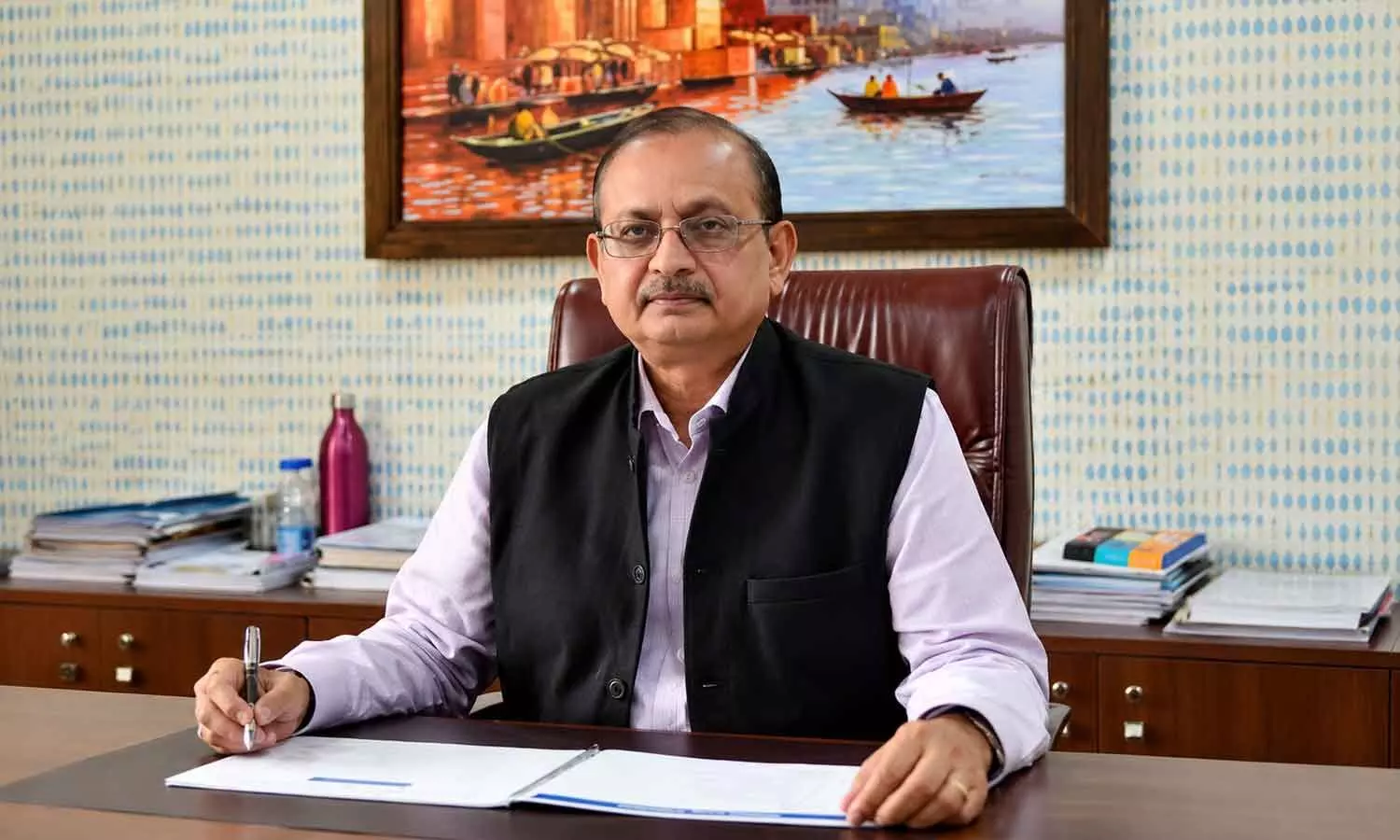
Rajiv Ranjan Mishra
Amaravati: The Andhra Pradesh government on Saturday issued orders accepting the Rajiv Ranjan Mishra Commission’s recommendations for Backward Class reservations in rural and urban local bodies, stipulating that the combined reservations for BCs, Scheduled Castes and Scheduled Tribes must not exceed 50 per cent in any local body.
The Backward Classes Welfare Department issued GO Ms No 17 on October 10, following the Andhra Pradesh High Court’s October 1 judgment in WP (PIL) No. 194/2026 and the Supreme Court’s October 9 pronouncement in SLP (C) No 35539/2026.
The government had constituted the dedicated commission, headed by Rajiv Ranjan Mishra, through GO Ms No 3 dated February 19, 2026, to fulfil the Supreme Court’s triple-test requirements for determining BC reservations in local bodies. The commission was tasked with conducting a rigorous empirical inquiry into the nature and extent of BC backwardness in relation to local governance and determining the reservation proportion for different rural and urban local bodies.
The commission drew on contemporaneous and other relevant sources, including the Unified Family Survey, data from the Social Governance and Social Welfare (SGSW) Department, the National Family Health Survey, reports of various commissions, departmental records and Census data, before submitting its recommendations to the government.
The order states that reservations for SCs and STs must comply with Articles 243D and 243T of the Constitution, which govern reservations in Panchayats and municipalities. Their population-based quotas must follow the constitutional definition of population, based on the latest published Census figures. As Census population data for BCs are unavailable, the government has accepted the commission’s use of empirical and contemporaneous data from the Unified Family Survey and SGSW records as the basis for determining BC reservations in individual local bodies.
The Panchayat Raj and Rural Development and Municipal Administration and Urban Development departments have been directed to take further action on the recommendations in accordance with constitutional provisions, judicial pronouncements and other relevant laws. The government said adequate representation for BCs in rural and urban local bodies was essential to strengthening grassroots democracy and advancing social justice.
Rajiv panel recommendations approved…Cabinet clears BC quota across eight categories
CM Naidu sets Nov 15 deadline for local polls
GO on BC quota in local bodies caps total reservations at 50%
El Nino century’s biggest natural crisis: CM Revanth Reddy
Karnataka BJP mocks CM Shivakumar’s Delhi trip, says ‘visit villages instead of sitting on Delhi streets’
Matter of shame that LoP has no understanding of constitutional duties: Piyush Goyal


