Ukraine’s drone strike should alarm the U.S.—Here’s why

Ukraine’s drone strike should alarm the U.S.—Here’s why
Ukraine's deep-strike drone attack on Russia highlights vulnerabilities in U.S. homeland defense against low-cost drone and missile threats.
Ukraine’s recent drone attack that damaged up to 40 Russian military aircraft has sent a powerful message—not just to Moscow, but also to Washington. The success of this low-cost, high-impact strike should prompt urgent reflection on America’s own vulnerabilities.
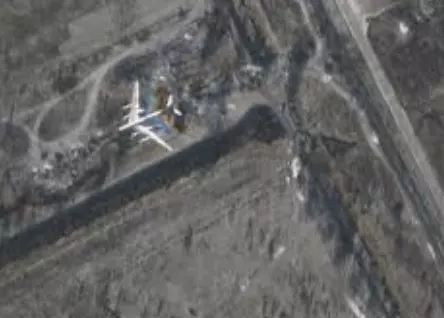
Details remain scarce, but Kyiv reportedly launched dozens of inexpensive drones that penetrated Russian airspace, striking strategic bombers parked openly on military runways. The operation demonstrated not only Ukraine’s ingenuity but also a frightening truth: advanced and costly military assets can be crippled by cheap, commercially modified drones.
Military expert Fred Kagan posed a chilling question this week: “What if those had been B-2 bombers targeted by Iranian drones launched from hidden containers—or worse, Chinese drones?” The U.S. bomber fleet today is much smaller than during the Cold War and concentrated at just a few bases. Publicly available satellite imagery shows B-52s lined up vulnerably at Barksdale Air Force Base in Louisiana, a tempting target for adversaries.
Meanwhile, China is rapidly widening its edge in the drone market. According to Rep. Pat Harrigan of North Carolina, China’s drone output reached $29.4 billion in 2024—four times that of the U.S.—with significantly lower unit costs.
The lesson from Ukraine’s daring strike is stark: The U.S. must rethink its defense posture. In an age of asymmetric warfare, the most dangerous threats may come not from billion-dollar missiles, but from drones that cost a fraction of the price—and still devastate critical assets.