Karnataka Launches Specialized Unit To Combat Rising Communal Tensions

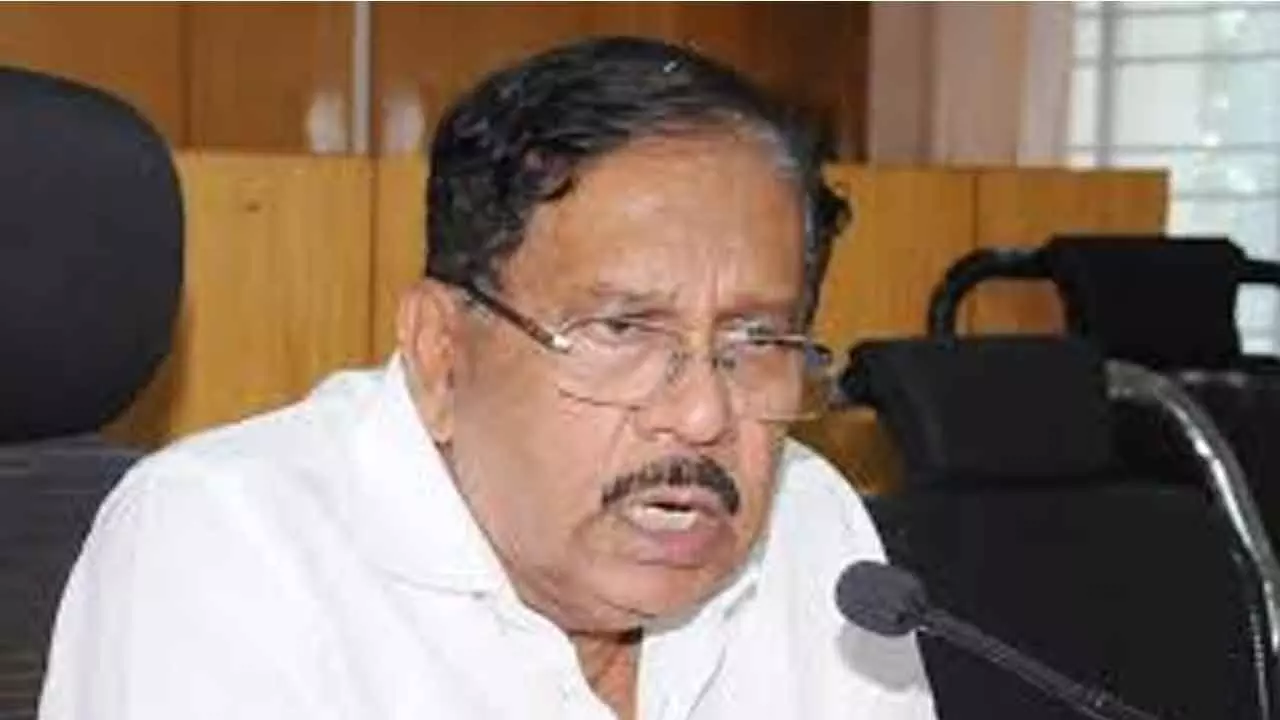
Karnataka Home Minister G Parameshwara announces immediate deployment of Communal Violence Prevention Task Force in three sensitive districts following recent killings and escalating sectarian tensions.
Karnataka's government has fast-tracked the deployment of a specialized Communal Violence Prevention Task Force following a series of deadly incidents across the state's coastal and central regions. Home Minister G Parameshwara announced the immediate activation of this security initiative in response to escalating sectarian tensions that have claimed multiple lives in recent weeks.
The decision gained urgency after the killing of Abdul Raheem, also known as Imtiyaz, in Mangaluru, marking another casualty in the state's growing communal violence crisis. The state administration has classified Dakshina Kannada, Udupi, and Shivamogga districts as sensitive areas requiring enhanced security measures. These regions have experienced a concerning pattern of violence that prompted the government's decisive intervention.
"We will take action without delay. If this happens every time, we will not be able to sit idly by. We will tighten the law further," Parameshwara declared during his announcement to media representatives.
In a strategic move to strengthen the task force, the Home Minister revealed that half of the state's anti-Naxal unit personnel will be transferred to the communal violence prevention initiative. This reallocation aims to provide the new task force with experienced officers trained in handling sensitive security situations.
"We will give them the necessary powers and privileges. We will pay more attention to the three districts," Parameshwara emphasized, highlighting the government's commitment to providing adequate resources and authority to the specialized unit.
While this isn't the first proposal for such a task force, recent events have accelerated its implementation. The Home Minister had previously announced similar initiatives on two occasions following the death of former Bajrang Dal member Suhas Shetty on May 1, but the latest violence has prompted immediate action rather than continued planning.
An official order for the task force formation had been issued earlier, but the government has now committed to its immediate review and deployment. The state's Director General of Police will oversee the operational aspects of this security initiative.
Parameshwara expressed deep concern about the broader implications of rising communal hatred, questioning its impact on social cohesion. "If there is a feeling of hatred, where will society remain? Will people be able to live there?" he asked, underlining the government's recognition that the issue extends beyond immediate security concerns.
The Home Minister stressed that the administration would not remain passive observers of the escalating situation and pledged decisive governmental intervention.
The task force represents part of a broader strategy to address communal tensions before they escalate into violence. By focusing resources on the three identified sensitive districts, the government aims to create a rapid response mechanism capable of preventing incidents and maintaining peace.
This proactive approach reflects growing recognition that communal violence requires specialized attention and dedicated resources rather than relying on general law enforcement alone. The reassignment of experienced anti-Naxal personnel demonstrates the seriousness with which the state government views the current security challenges.