




- Shivakumar gives green signal to Golden Chariot special train in K’taka
- US H-1B restrictions risk undermining strategic partnership with India: Report
- Samsung Confirms Galaxy Devices Eligible for Android 17 Update
- Gas Cylinder Explosion: Three Injured in Benguluru
- Cyclone threat looms over Bay of Bengal, heavy rain alert for south Bengal from Wednesday
- AP ZPTC Race: Will it Be Family First, Grassroots Workers Last
- Airbnb bans guest checkout chores from November 20
- Gopichand’s Next Is Titled As Singa
Most Infiltrators In UP are From Uttarakhand: Akhilesh Yadav
In Short
The controversy arose following the remarks made by BJP chief Nitin Nabin, who at a press conference on Saturday said the INDIA bloc wants to protect the infiltrators, not democracy.

Share :
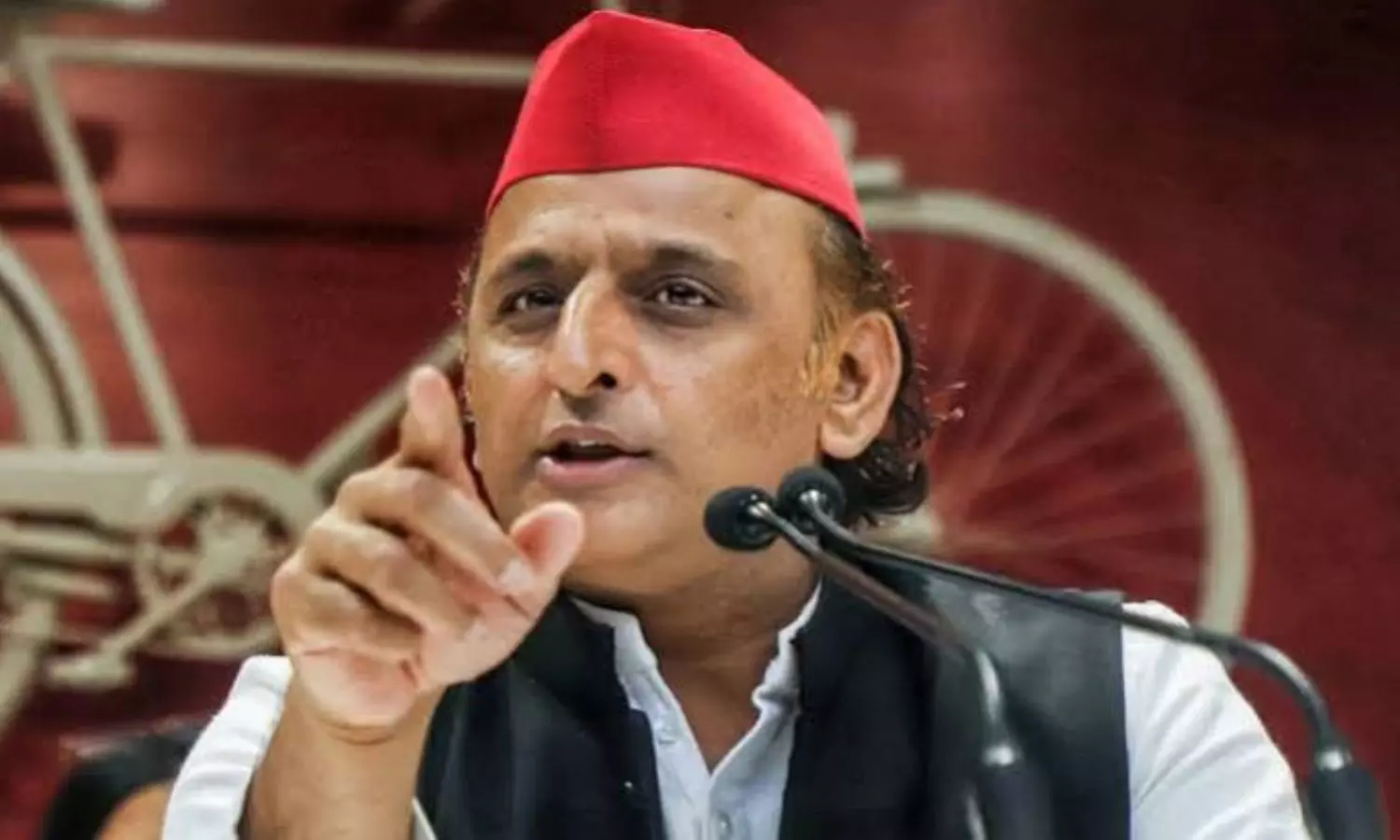
A war of words has broken out between the Uttarakhand Chief Minister Pushkar Singh Dhami and the Samajwadi chief Akhilesh Yadav.
A war of words has broken out between the Uttarakhand Chief Minister Pushkar Singh Dhami and the Samajwadi chief Akhilesh Yadav.
The controversy arose following the remarks made by BJP chief Nitin Nabin, who at a press conference on Saturday said the INDIA bloc wants to protect the infiltrators, not democracy.
Reacting to this, Samajwadi Party (SP) chief Akhilesh Yadav, speaking to the media, said that the "most infiltrators in UP are from Uttarakhand." This drew a strong response from Uttarakhand Chief Minister Pushkar Singh Dhami, who accused Akhilesh of insulting the people of the Himalayan State.
Akhilesh said, "The people who are saying this themselves are infiltrators... Most infiltrators in UP are from Uttarakhand. One has to define infiltrators... The term infiltrators will not weaken the 'Hindustaniyat'. They are making efforts to end 'Hindustaniyat'. They have made a mockery of faith and devotion..."
Taking to X, the Uttarakhand CM said that the statement made by the SP chief was an insult to the state’s identity, history and sacrifices. He said "Uttarakhand is both the Devbhoomi and Veerbhoomi. This sacred soil has given the nation numerous saints, soldiers, and individuals devoted to national service. Shri Akhilesh Yadav ji, calling the people of Uttarakhand infiltrators, is an insult to the pride of the Devbhoomi and to our struggles," CM Dhami said.
He asked Akhilesh to recall the Tiraha incident of 1994 when his father, as the then CM of UP, had fired upon the activists who demanded a separate state.
The Uttarakhand Chief Minister also invoked the Rampur Tiraha Muzaffarnagar incident of 1994, when activists demanding a separate Uttarakhand state were fired upon during the tenure of then Uttar Pradesh Chief Minister Mulayam Singh Yadav.
He said Akhilesh might have forgotten the incident but not the people of Uttarakhand. Today, the son of Mulayam Singh was calling the people of Uttarakhand infiltrators. People of Devabhoomi will never forget their struggles and sacrifices, he added.
Dhami also asked the Congress party, which is an ally of SP, to make its stand clear and state if it endorses the views of SP on the people of Uttarakhand.
"Does the Congress support this statement from its political ally, Shri Akhilesh Yadav ji? Is calling the people of Uttarakhand infiltrators acceptable to the Congress? The Congress must answer the people of this Devbhoomi," the Chief Minister said.


