National Annual Report & Index On Women's Safety: Visakhapatnam, Kohima & Mumbai safest for women

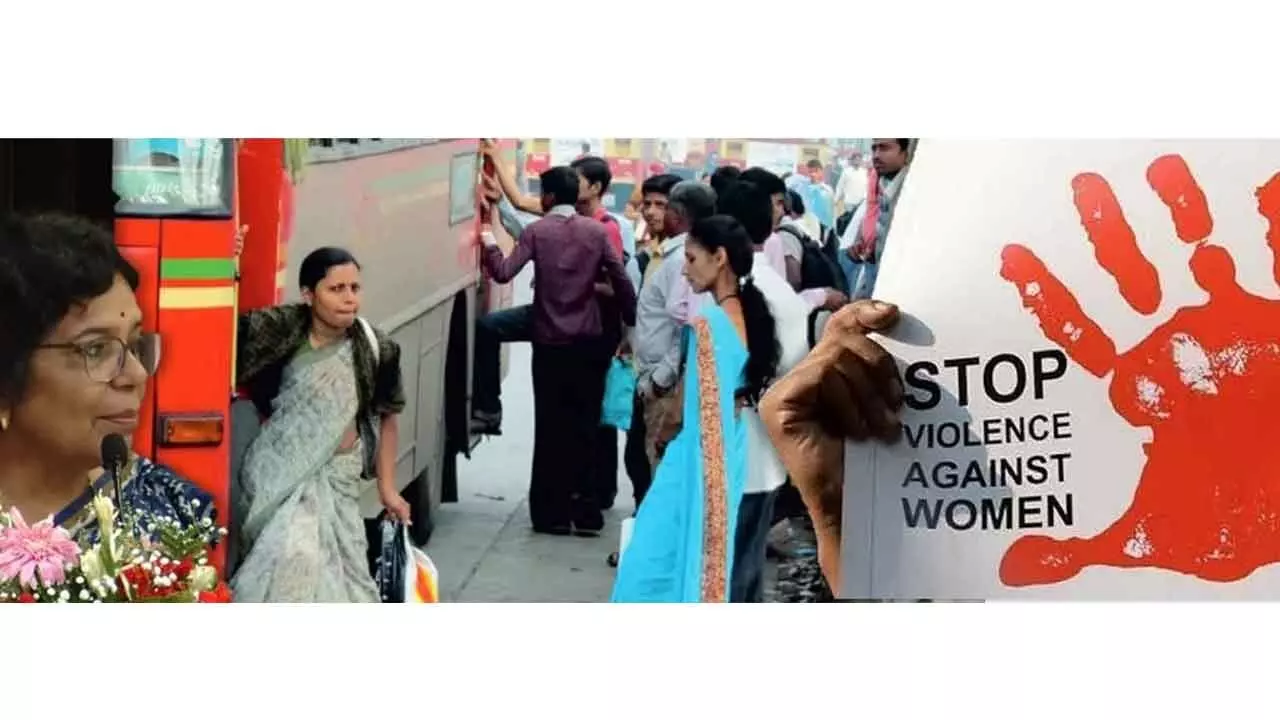
- Delhi, Kolkata, Patna, Jaipur, Faridabad, Srinagar and Ranchi rated most unsafe
- 40% women in urban areas fear for their safety: NARI report
New Delhi: Visakhapatnam, Kohima, Mumbai Bhubaneswar, Aizawl, Itanagar and Gangtok have emerged as the safest cities in India for women, while Delhi, Kolkata, Patna, Jaipur, Faridabad, Srinagar and Ranchi occupy the lowest ranks, according to the National Annual Report & Index on Women's Safety (NARI) 2025.
The report, released on Thursday, surveyed 12,770 women across 31 cities and set the national safety benchmark at 65 per cent, categorising urban centres as “much above,” “above,” “at,” “below” or “much below” this standard. Top-ranked cities were linked to stronger gender equity, civic engagement, policing, and women-friendly infrastructure, whereas poorly performing cities reflected weak institutional responsiveness, entrenched patriarchal norms, and infrastructural gaps. "Kohima, Vishakhapatnam, Bhubaneswar, Aizawl, Gangtok, Itanagar, Mumbai lead national safety rankings, often correlating with higher gender equity, infrastructure, policing, or civic participation while Ranchi, Srinagar, Kolkata, Delhi, Faridabad, Patna, and Jaipur scored lowest, correlating with poorer infrastructure, patriarchal norms, or weaker institutional responsiveness," the report stated.
The survey found that six in ten women felt “safe” in their city, leaving 40 per cent reporting themselves as “not so safe” or “unsafe.” Concerns were particularly pronounced at night, in public transport, and in recreational spaces, despite educational institutions being largely safe during daylight hours.
Safety in the workplace remained inconsistent. Around 91 per cent of women reported feeling safe, yet nearly half were unsure if their workplace had an effective POSH (Prevention of Sexual Harassment) policy. Only one-fourth trusted authorities to act effectively on safety complaints. The study also highlighted the prevalence of harassment: seven per cent of women experienced harassment in public spaces in 2024, rising to 14 per cent among those under 24.