Smart meter controversy deepens in Tripura

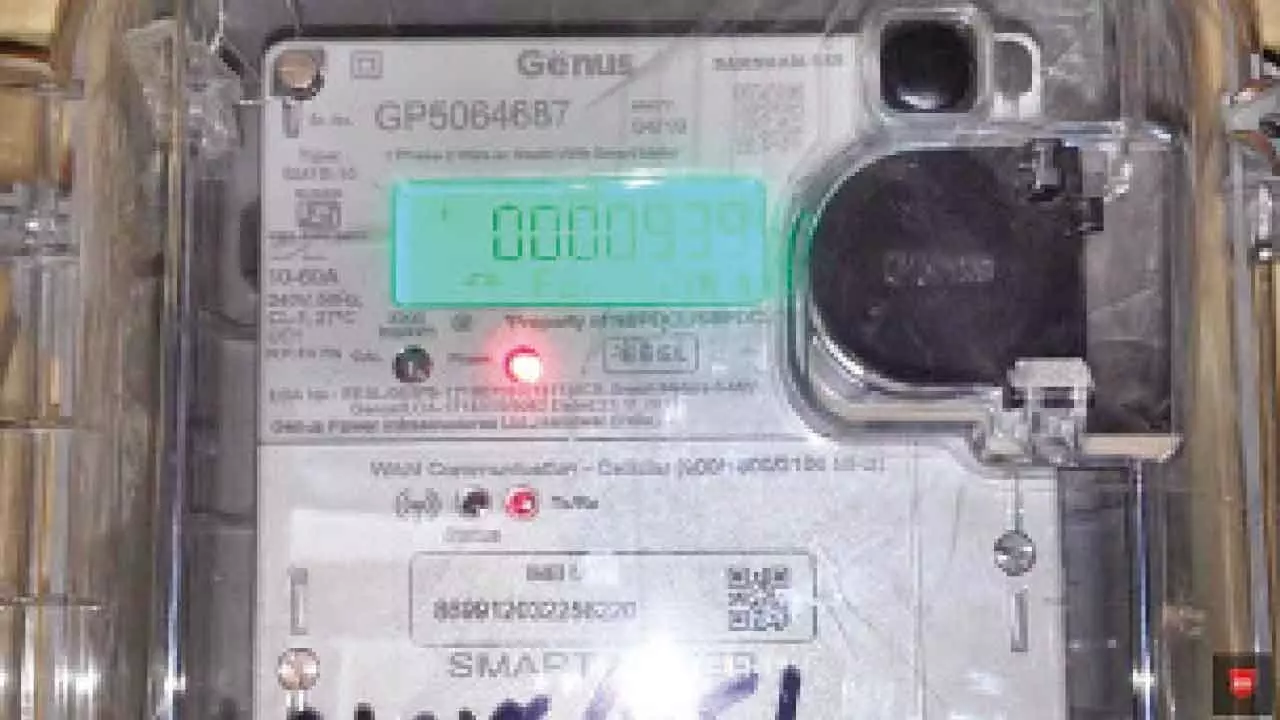
Agartala: As Tripura rolls out smart meters across the state, a growing rift is emerging between the public, the government, and electricity officials. Rising bills, poor communication, and a lack of public understanding have fueled widespread confusion and unrest.
Now the Main Issue is: Tripura is witnessing a state-wide backlash over the installation of over 89,000 smart meters by the Tripura State Electricity Corporation Limited (TSECL). Consumers, especially in rural areas, have reported soaring electricity bills, unexplained charges, and frequent power cuts, triggering public protests and opposition-led criticism.
Because of that, Consumers across Tripura, particularly those in rural areas, are the most affected. Opposition parties like CPI(M) and Congress have joined the public in protesting the rollout.
TSECL and government officials are under pressure to respond to growing dissatisfaction. The issue intensified in 2023–2024 with the mass installation of smart meters and the simultaneous rise in consumer complaints about increased bills and delayed service.
Although the smart meter program is part of a central government scheme, many residents say they were not properly informed before implementation. The problem is widespread, but especially severe in rural areas like Khowai, Amarpur, and Udaipur, where:
In contrast, urban consumers experience faster resolution times but still express confusion about billing and smart meter usage. People are protesting because they don’t understand how smart meters work. Believe the new system has increased their bills.
There is a strong perception of being unheard, and a fear that the move may be linked to privatization of the power sector — a claim the government denies. The situation escalated due to a communication breakdown: No proper public education was carried out before or after smart meter installation. Many consumers were not told how to monitor usage or file complaints. TSECL’s digital systems remain underutilized due to lack of awareness and access.
Despite government assurances that the system is meant for modernization, mistrust and misinformation continue to fuel public anger. Without transparent communication, local-language education campaigns, and faster complaint handling, the public’s faith in the smart metering system — and the power department as a whole — will continue to erode.