




- Heavy rain forecast for Tamil Nadu for next two days; eight districts on alert for Diwali
- Google Faces Lawsuit Over AI on School Laptops
- Petrol and diesel prices today in Hyderabad, Delhi, Chennai and Mumbai on 07 November 2026
- Gold and Silver rates today, 7 Nov in Hyderabad, Visakhapatnam, check gold prices of 18K, 22K, 24K
- Gold and silver rates today 7 Nov stable in Bengaluru and Chennai, check gold prices of 18K, 22K, 24K
- Gold and silver rates today, 7 Nov in Delhi, Mumbai, check gold prices of 18K, 22K, 24K
- Annamalai urges people to buy more crackers for Diwali, cites livelihood of eight lakh workers
- India offers remarkable resilience and opportunity amid AI frenzy: HSBC economists
Heavy rains boost inflow into Mullaperiyar dam, water level rises to 123 ft
In Short
The inflow into the dam increased substantially from 634 cubic feet per second (cusecs) to 1,782 cusecs following heavy overnight rainfall in the catchment areas.

Share :
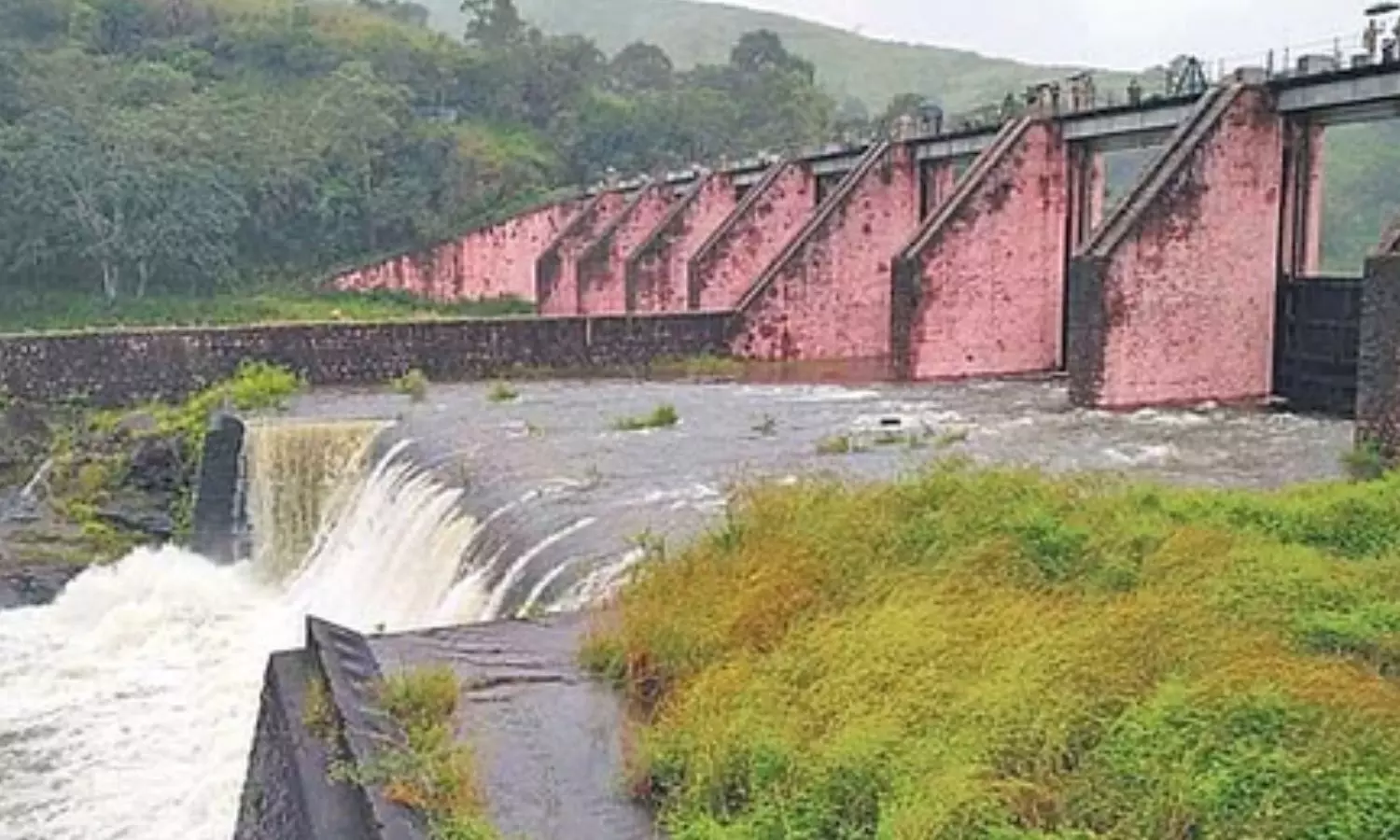
Heavy rains boost inflow into Mullaperiyar dam, water level rises to 123 ft
Theni: Heavy rainfall in the catchment areas of the Mullaperiyar dam has led to a sharp increase in water inflow, pushing the reservoir level to 123 feet and bringing relief to farmers in five southern districts of Tamil Nadu who have been facing water shortages due to inadequate monsoon rainfall.
The inflow into the dam increased substantially from 634 cubic feet per second (cusecs) to 1,782 cusecs following heavy overnight rainfall in the catchment areas.
The reservoir currently holds 3,163 million cubic feet of water, raising hopes of improved water availability for agricultural and drinking water requirements.
The Mullaperiyar dam, located in Kerala near the Tamil Nadu border, is a crucial source of water for Theni, Dindigul, Madurai, Sivaganga and Ramanathapuram districts.
Thousands of farmers in these districts depend on water released from the reservoir for cultivating paddy and other crops.
This year, inadequate rainfall during the southwest monsoon disrupted the normal irrigation schedule, forcing authorities to postpone the release of water for the first paddy cultivation season.
Water was originally scheduled to be released on June 1, but the release was delayed by more than two months until August 8 because of insufficient storage in the reservoir.
The situation worsened as rainfall remained below expectations in the dam's catchment areas, resulting in a steady decline in inflow.
Consequently, authorities reduced water discharge to Tamil Nadu from 800 cusecs to 400 cusecs to conserve the available storage while meeting essential irrigation and drinking water requirements.
However, continuous rainfall across parts of Kerala over the past few days has improved the situation considerably.
Particularly heavy showers overnight resulted in a substantial increase in inflow, contributing to the rise in the reservoir's water level.
The improved storage position has brought considerable relief to farmers who were concerned about the availability of irrigation water during the ongoing agricultural season.
Farmers in the five beneficiary districts are hopeful that sustained inflow will help maintain adequate water supplies and prevent further disruption to cultivation.
The situation remains dependent on rainfall in the catchment areas, with further improvement in reservoir storage likely if the current wet weather conditions continue.
Authorities are expected to monitor inflow, storage and water releases closely to balance agricultural requirements with drinking water needs.
Revenue officials closing in on KCR
Electors marked ASDD: ECI gives ‘one more opportunity’ to enrol
Firecracker stalls in Hyd flout safety norms
Social harmony can’t be achieved through political slogans
Punjab and UP elections: A litmus test for Congress: Beyond SIR, where is the development agenda?
Telangana Govt eyes revenue windfall through land auctions


