Google Expands AI Photo-to-Video Tools to Google Photos and YouTube Shorts

Google introduces AI-powered photo-to-video and Remix tools to Google Photos and YouTube Shorts, making creative video generation more accessible and fun.
Google is expanding its AI-powered photo-to-video capability to more of its popular apps, giving users new ways to transform static memories into dynamic clips. After debuting its Veo 3-powered tool in the Gemini app earlier this month, Google is now rolling out a similar feature to Google Photos and YouTube Shorts—though this time, the tools run on Google’s older Veo 2 video model and come with a few extra limitations.
In Google Photos, the AI tool can turn selected photos into short, six-second videos. Meanwhile, YouTube Shorts users will have more flexibility, with the ability to choose their desired clip length. One notable difference is that, unlike in Gemini or the standalone Veo 2 experience, these new tools won’t let users write their own prompts to guide what the video looks like. Instead, users must pick from preset prompts like “Subtle movements” or “I’m feeling lucky” in Google Photos.
The new AI video feature is rolling out starting today in the US for Google Photos on both Android and iOS devices. YouTube Shorts users in the US, Canada, Australia, and New Zealand can expect access within the week.
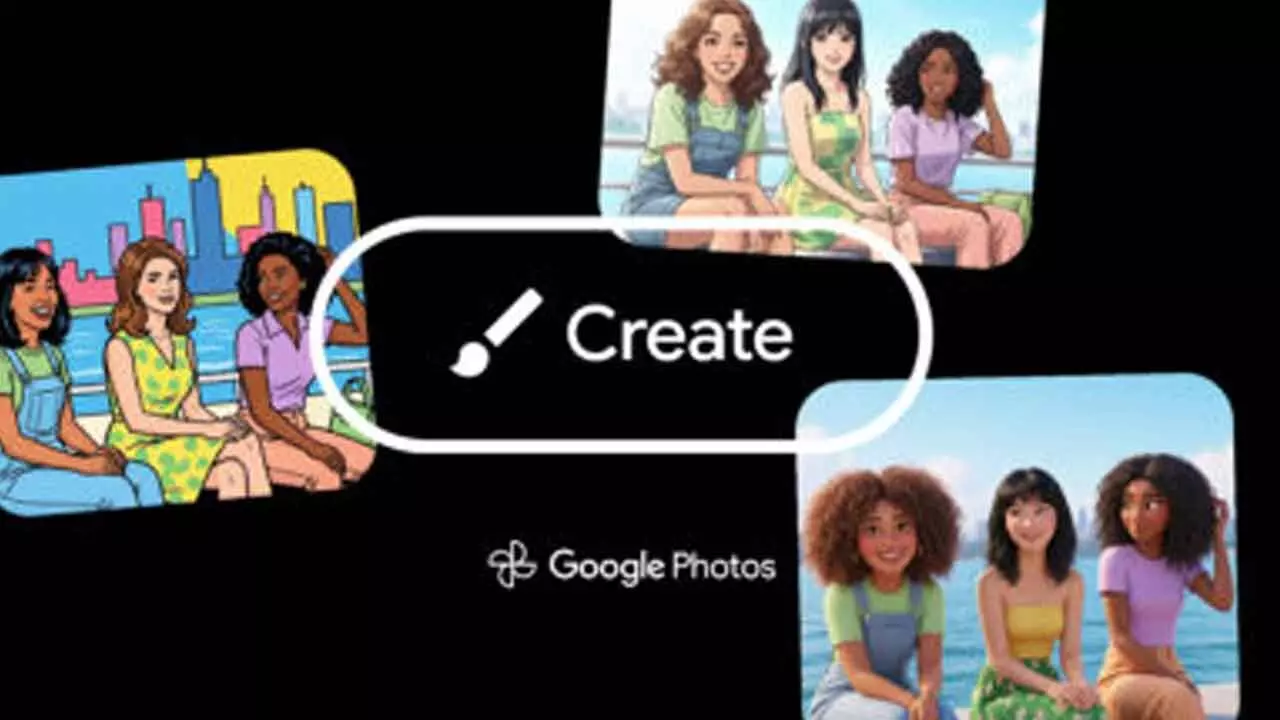
Google is also introducing a Remix tool for Google Photos that gives photos a fresh twist. Users will soon be able to transform pictures into different styles—think anime, comic books, sketches, or even 3D animations. The Remix and photo-to-video tools will live under a new Create tab in the Photos app, which Google plans to launch in the US next month. This new section will gather all creative tools—like collages, highlight videos, and more—into one easy-to-find place.
Google reminds users that these new generative AI features are still “experimental,” so results may vary. The company encourages people to give feedback by giving thumbs up or down on generated content, which will help refine the technology over time. Every AI-generated video or image will include Google’s invisible SynthID digital watermark, while videos made in Google Photos will also show a visible watermark, so it’s clear at a glance that they’re AI-created.
This latest update extends Google’s lead in generative AI for photos, far surpassing Apple’s more cautious approach. Apple’s Image Playground tool, for example, deliberately avoids photorealistic generation to limit risks like deepfakes and misinformation.