Math or Physics? Durov and Musk Spark Student Skills Debate in AI Era

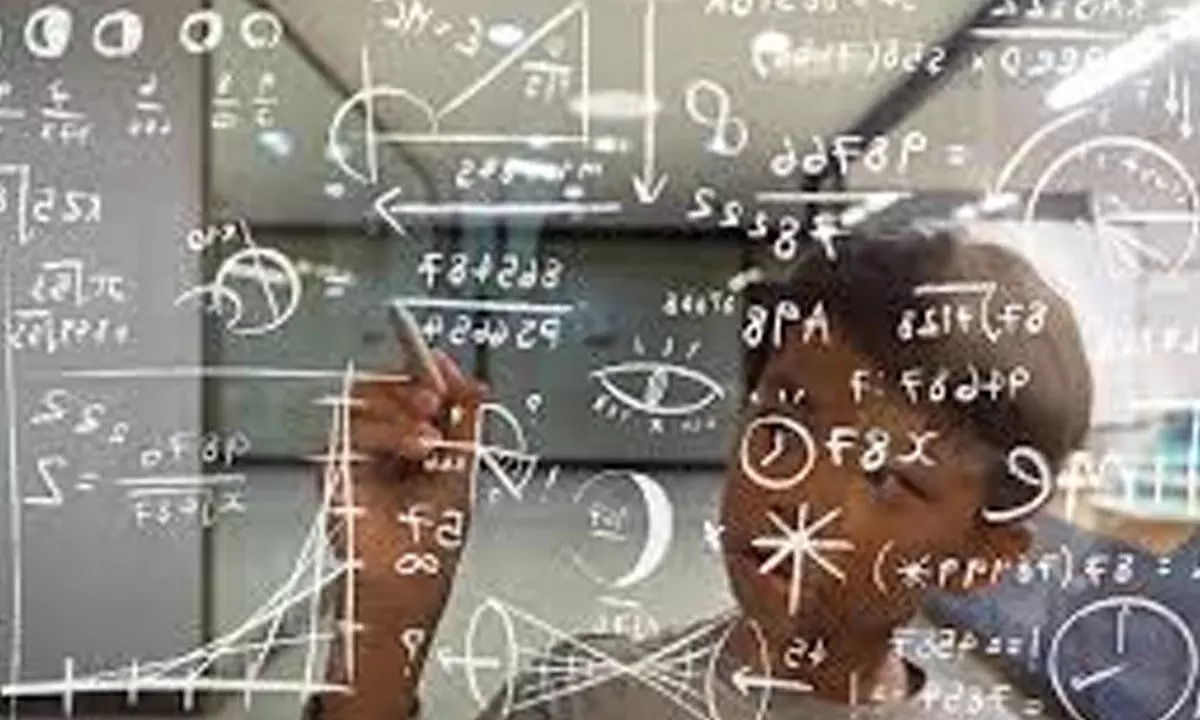
Tech leaders Pavel Durov and Elon Musk offer differing advice on student priorities, emphasising math and physics amid rising AI influence.
In an era increasingly shaped by artificial intelligence, the question of what students should study to stay future-ready has become more pressing than ever. A recent exchange between Telegram founder Pavel Durov and tech mogul Elon Musk has reignited the conversation — and it’s captured the internet’s attention.
Pavel Durov, known for building one of the world’s most secure messaging platforms, recently advised students to prioritize mathematics if they hope to build companies and lead projects in the future. Sharing his thoughts in a post on X (formerly Twitter), he wrote, “If you’re a student choosing what to focus on, pick MATH. It will teach you to relentlessly rely on your own brain, think logically, break down problems, and solve them step by step in the right order. That’s the core skill you’ll need to build companies and manage projects.”
His post quickly gained momentum, amassing over a million views and sparking discussions across tech and education circles.
Durov later acknowledged Musk’s view, writing, “+1. If you're already strong in math, it's worth exploring physics and computer science – both are excellent ways to apply math in the real world, sharpen your logical and critical thinking + solve important problems.”
Elon Musk, the CEO of Tesla and SpaceX, joined the conversation with a crisp counterpoint: “Physics (with math).” Known for his background in physics and economics, Musk has often credited his scientific training for the systems-level thinking behind ventures like reusable rockets and electric vehicles.
Durov later acknowledged Musk’s take, adding a broader perspective: “+1. If you're already strong in math, it's worth exploring physics and computer science – both are excellent ways to apply math in the real world, sharpen your logical and critical thinking + solve important problems.”
The timing of this dialogue couldn’t be more relevant. As AI systems become more capable, many educators and technologists are questioning which human skills will remain valuable. In a commencement speech earlier this year, OpenAI co-founder Ilya Sutskever addressed students at the University of Toronto, warning that artificial intelligence might soon match — and even surpass — human cognitive abilities. His prediction? A full range of human-like capabilities in machines within three to ten years.
Despite this, voices like Durov and Musk argue for foundational thinking skills that AI may not easily replace. Their exchange aligns with recent comments from Microsoft co-founder Bill Gates, who said, “Writing code isn’t just typing – it’s thinking deeply.” Gates added that programmers will remain essential, even a century from now.
In the end, whether it’s math, physics, or computer science, one message stands out: the future belongs to those who can think critically, reason logically, and solve real-world problems — skills that remain vital no matter how intelligent machines become.