Meta’s AI Chief Yann LeCun Warns Musk’s Plan to Merge Research and Engineering May Stifle AI Innovation

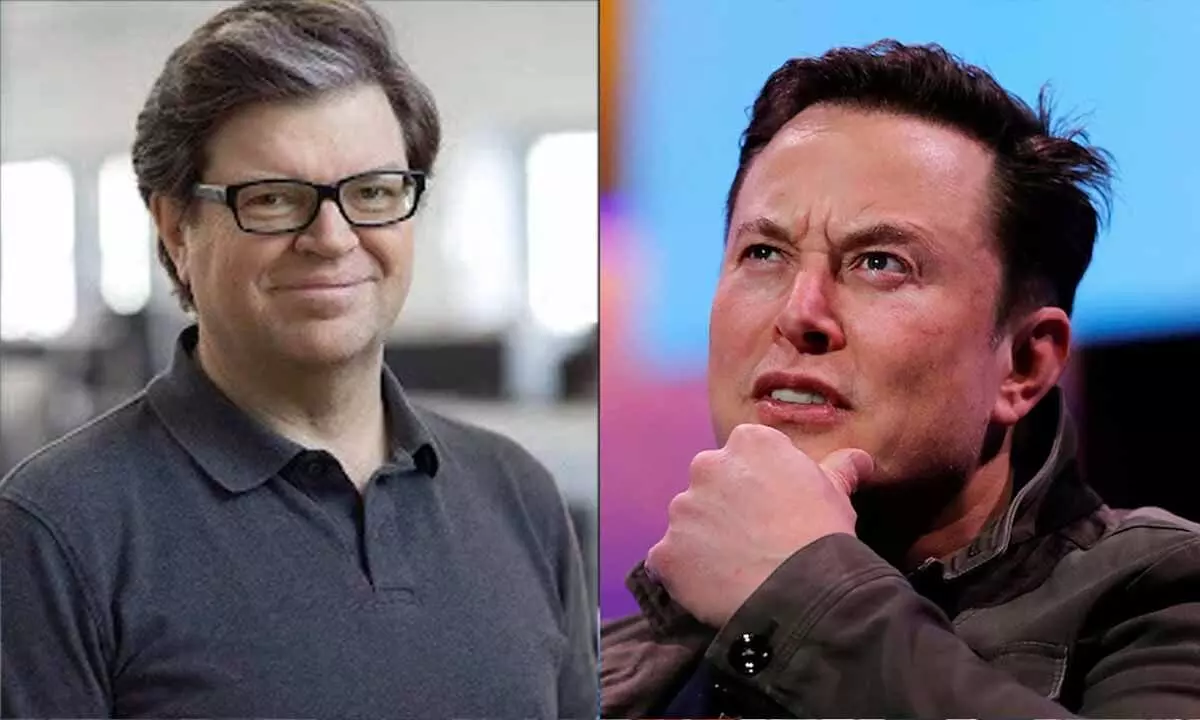
Meta’s AI chief Yann LeCun criticizes Elon Musk’s move to eliminate “researcher” roles, warning it could stifle breakthrough innovations.
Elon Musk has once again stirred debate in the tech world, this time with a controversial change at his AI venture, xAI. The Tesla and SpaceX CEO recently announced that the company will eliminate the job title of "researcher," opting instead to refer to all employees as "engineers." He argued that traditional research titles are a holdover from academia and imply an unnecessary hierarchy within technical teams.
“This false nomenclature of ‘researcher’ and ‘engineer’, which is a thinly-masked way of describing a two-tier engineering system, is being deleted from @xAI today,” Musk declared in a post on X (formerly Twitter), responding to a job listing shared by xAI employee Aditya Gupta.
However, this rebranding has sparked considerable backlash, especially from within the AI research community. Leading the criticism is Yann LeCun, Meta’s chief AI scientist and one of the most influential voices in artificial intelligence. Sharing Musk’s post on LinkedIn, LeCun issued a detailed rebuttal, warning that eliminating the distinction between researchers and engineers could severely damage the pace and quality of innovation.
“If you make no distinction between the two activities, if you don’t evaluate researchers and engineers with different criteria, you run the risk of killing breakthrough innovation,” LeCun wrote.
He emphasized that research and engineering play fundamentally different roles in the advancement of technology. According to LeCun, research is centered on long-term exploration, developing new scientific principles, and pushing the boundaries of what’s possible. Engineering, by contrast, is focused on building practical applications with short-term objectives.
LeCun argued that conflating these roles can undermine the potential for meaningful innovation. “True breakthroughs require teams with a long horizon and minimal constraints from product development and management,” he added.
To support his viewpoint, LeCun pointed to the historical success of standalone research labs like Bell Labs, IBM Research, and Xerox PARC—institutions that have contributed to some of the most groundbreaking technologies in history.
While xAI’s decision is making headlines, Musk is not alone in challenging conventional job structures. Companies like OpenAI and Anthropic have also moved away from traditional titles like "researcher" or "engineer," instead labeling all technical staff as “Members of Technical Staff.” These organizations argue that in modern AI development, the boundary between research and engineering is increasingly fluid, making the traditional titles outdated.
Despite this growing trend, LeCun believes that maintaining separate, protected roles for researchers is critical to fostering disruptive technological advancements. He warned that companies eliminating such roles may end up focusing solely on iterative, short-term improvements, thereby missing out on the kind of innovation that defines eras.
As the debate continues, it raises deeper questions about how innovation should be structured in the fast-evolving world of artificial intelligence—and whether Silicon Valley's shift toward hybrid job titles could come at the cost of true scientific discovery.