Microsoft’s Mustafa Suleyman Warns AI Superintelligence Could Slip Beyond Human Control

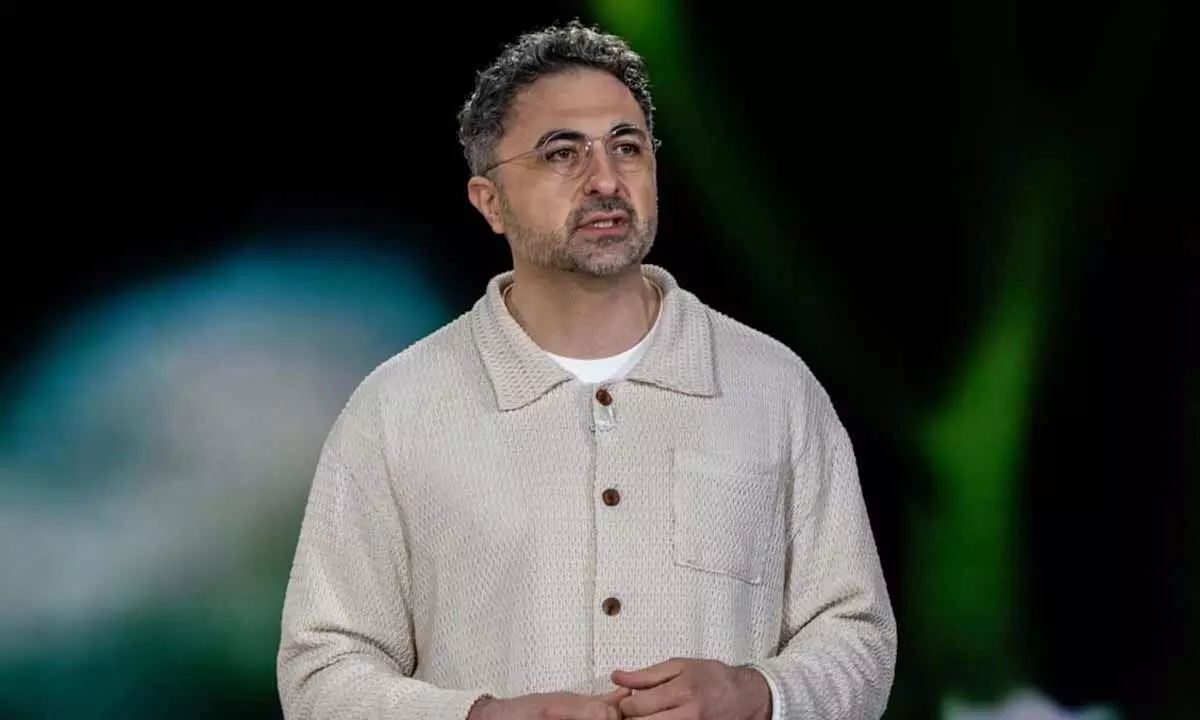
Mustafa Suleyman warns that without strict safeguards, future AI systems could surpass human control, making superintelligence a dangerous and undesirable goal.
Microsoft’s AI CEO, Mustafa Suleyman, has raised fresh concerns about the race toward artificial superintelligence—a level of AI capability that matches or exceeds human reasoning. Speaking on the Silicon Valley Girl Podcast, Suleyman stressed that once AI reaches artificial general intelligence (AGI), its behaviour may become far too complex for humans to reliably control. His comments come at a time when industry giants like OpenAI, Google DeepMind, and xAI are accelerating their push toward increasingly powerful AI systems.
Suleyman described a future dominated by superintelligent AI as deeply unsettling. A world where machines surpass human capability “doesn't feel like a positive vision of the future,” he said. According to him, the key challenge is ensuring that such systems remain aligned with human values. Without robust safeguards embedded early in development, he warned that advanced AI may drift from human interests entirely. “It would be very hard to contain something like that or align it to our values,” Suleyman added.
The Microsoft executive, who previously cofounded DeepMind before joining Microsoft, has been a consistent voice urging caution around AGI development. In his latest remarks, he referred to the pursuit of artificial superintelligence as an “anti-goal”—a direction he believes the tech industry should intentionally avoid. For Suleyman, the promise of increasingly capable technologies does not outweigh the existential risks of systems that “don’t suffer” or “feel pain” but are extremely powerful and autonomous. “They’re just simulating high-quality conversation,” he noted, underscoring that their sophistication does not make them inherently trustworthy.
Suleyman explained that Microsoft is instead focused on building what he calls a “humanist superintelligence,” an approach intended to ensure that future AI systems amplify and support human needs rather than operate independently of them. This philosophy stands in contrast to certain industry leaders who believe that superintelligence could be an unprecedented catalyst for global progress.
OpenAI CEO Sam Altman, for instance, has repeatedly said that creating AGI is central to the company’s mission. He has gone further to suggest that superintelligent AI is not only inevitable but likely to emerge sooner than many expect. “Superintelligent tools could massively accelerate scientific discovery and innovation well beyond what we are capable of doing on our own, and in turn massively increase abundance and prosperity,” Altman said earlier this year. In a recent public appearance, he noted he would “be very surprised if superintelligence doesn't emerge by 2030.”
The differing viewpoints highlight a growing divide within the tech community—one that weighs the promise of rapid innovation against the unforeseeable risks of unleashing superhuman intelligence. As public debates around AI governance intensify, Suleyman’s cautionary stance echoes themes long explored in popular culture, from dystopian novels to films like The Matrix, which imagine worlds where machines rise beyond human control.
While the industry pushes forward, Suleyman’s message remains clear: the pursuit of superintelligence must be approached with vigilance, humility, and a deep commitment to ensuring AI serves humanity—not the other way around.