India’s New Diamond Rule: Only a Natural Diamond Can Be Called a Diamond

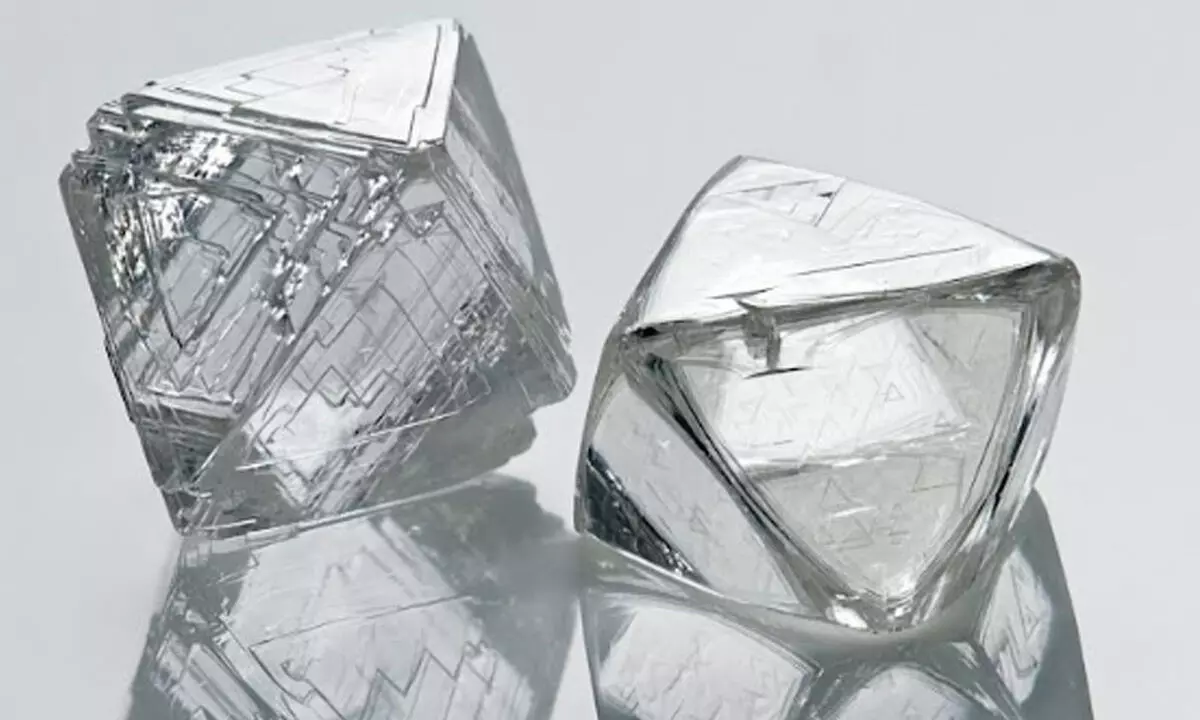
The Bureau of Indian Standards introduces a clear terminology framework to protect consumers and bring transparency to every diamond purchase across India
The Indian gem and jewellery industry has long faced challenges due to the use of multiple, inconsistent, and often confusing terms to describe diamonds and their alternatives—particularly across digital and e-commerce platforms. In the absence of a single, formal standard, consumers have often been left uncertain about what they are buying.
The Natural Diamond Council (NDC) welcomes the adoption of IS 19469:2025 by the Bureau of Indian Standards (BIS), a modified adoption of ISO 18323:2015 – Jewellery: Consumer Confidence in the Diamond Industry. The new standard establishes a clear and enforceable framework for diamond terminology, drawing a firm distinction between natural diamonds and laboratory-grown diamonds. This move strengthens consumer protection and supports greater transparency across the Indian diamond jewellery market.
What the new standard means for consumers:
- Defining "Diamond": The word “diamond” used alone applies exclusively to natural diamonds. Sellers may use qualifiers like “natural,” “real,” “genuine,” or “precious,”.
- Laboratory-Grown Disclosure: Man-made alternates must be explicitly disclosed at all times using only the full terms “laboratory-grown diamond” or “laboratory-created diamond”. Shortened abbreviations such as “LGD,” “lab-grown,” or “lab-diamond” are no longer permitted in formal disclosure.
- Banned Misleading Language: The standard forbids using terms like “nature’s,” “pure,” “earth-friendly,” or “cultured” for laboratory-grown products. Furthermore, using brand names alone without the approved "laboratory-grown" qualifier is deemed insufficient disclosure.
Commenting on the development, Richa Singh, Managing Director, Natural Diamond Council, said: “This standard brings long-awaited clarity for consumers. When someone buys a diamond, they deserve to know exactly what it is—clearly, honestly, and without confusion. Defining what can be called a diamond strengthens trust and protects the value of a truly natural diamond.”
The initiative has received strong support from the jewellery trade across regions.
Sushma Chhajer, Founder SHRUTI SUSHMA says, “Fine jewellery is built on trust, provenance, and legacy. We support the Government’s efforts through IS 19469:2025 because clear disclosure protects craftsmanship, heritage, and the emotional value behind every natural diamond . We see the BIS terminology framework as a thoughtful step by the Government, one that protects long-term value rather than short-term narratives. When materials carry enduring value, the language used to describe them must be equally precise. Ambiguity may create momentum, but it erodes trust over time. The Government’s introduction of IS 19469:2025 recognises the importance of disciplined terminology, ensuring that disclosure serves clarity rather than confusion. We see the BIS framework not as a shift in how we operate, but as a formal acknowledgement of principles responsible houses have long upheld, clarity in language, integrity in disclosure, and respect for the client’s intelligence.”
The Natural Diamond Council remains committed to supporting the Bureau of Indian Standards and Indian authorities in the effective implementation of this framework. By removing ambiguity and misleading terminology, the industry takes a collective step toward protecting both the emotional and financial value of every diamond purchase.