India’s ‘Next-Gen GST’ From Sept 22: Lower Taxes On Essentials, Higher On Luxury Goods

The government has unveiled a major GST reform effective September 22, 2025, cutting slabs to 5% and 18%. Essential goods, medicines, insurance policies, and services like salons and gyms get cheaper, while luxury items, big cars, and certain beverages will attract higher rates.
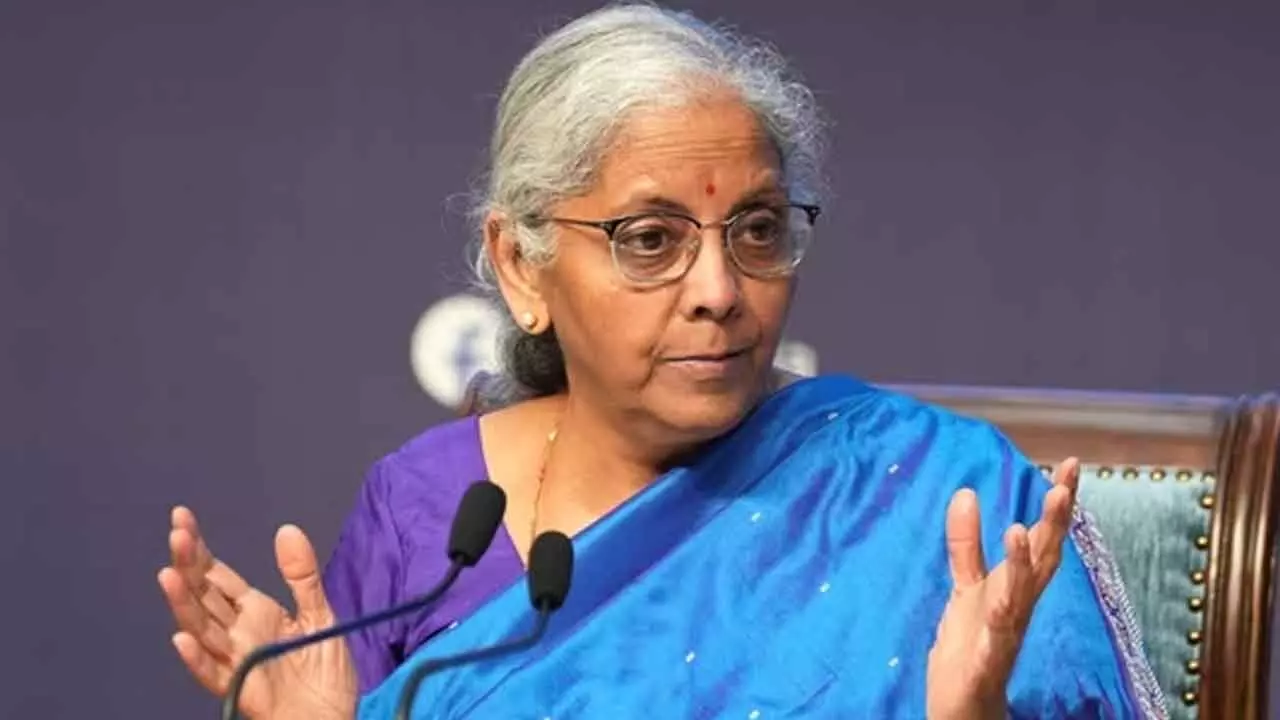
Finance minister Nirmala Sitharaman announced sweeping changes to India’s Goods and Services Tax (GST) after the 56th Council meeting in New Delhi, calling it the “Next-Gen GST Reform.” The revised structure merges the earlier four slabs into two—5% and 18%—simplifying the tax regime.
A key highlight is the complete GST exemption for individual life and health insurance policies, hailed by the minister as a “Diwali gift” to citizens. Essential medicines and all medical devices will now carry a concessional 5% tax, while UHT milk is exempted and plant-based milk drinks will be taxed at 5%. Beauty, wellness, and fitness services will see a steep reduction to 5% without ITC.
On the other hand, certain luxury and “sin goods” will attract higher taxes. All mid-size and large cars, SUVs, and motorcycles above 350 cc will now face a 40% GST rate. Carbonated fruit drinks and other non-alcoholic beverages have also moved into the 40% slab.
Electronics like televisions, ACs, dishwashers, and batteries will become cheaper with a uniform 18% rate. Passenger and goods transport services continue with multiple options at 5% or 18% depending on ITC claims.
The new GST regime will take effect on September 22, 2025, except for some tobacco products, whose revised rates will be notified later. The overhaul aims to simplify the system, reduce costs on essential items, and tighten taxes on luxury and non-essential consumption.
Next Story