Ovarian Tissue Freezing: The Next Frontier in Fertility Preservation – An Exclusive with Dr. S. Vyjayanthi

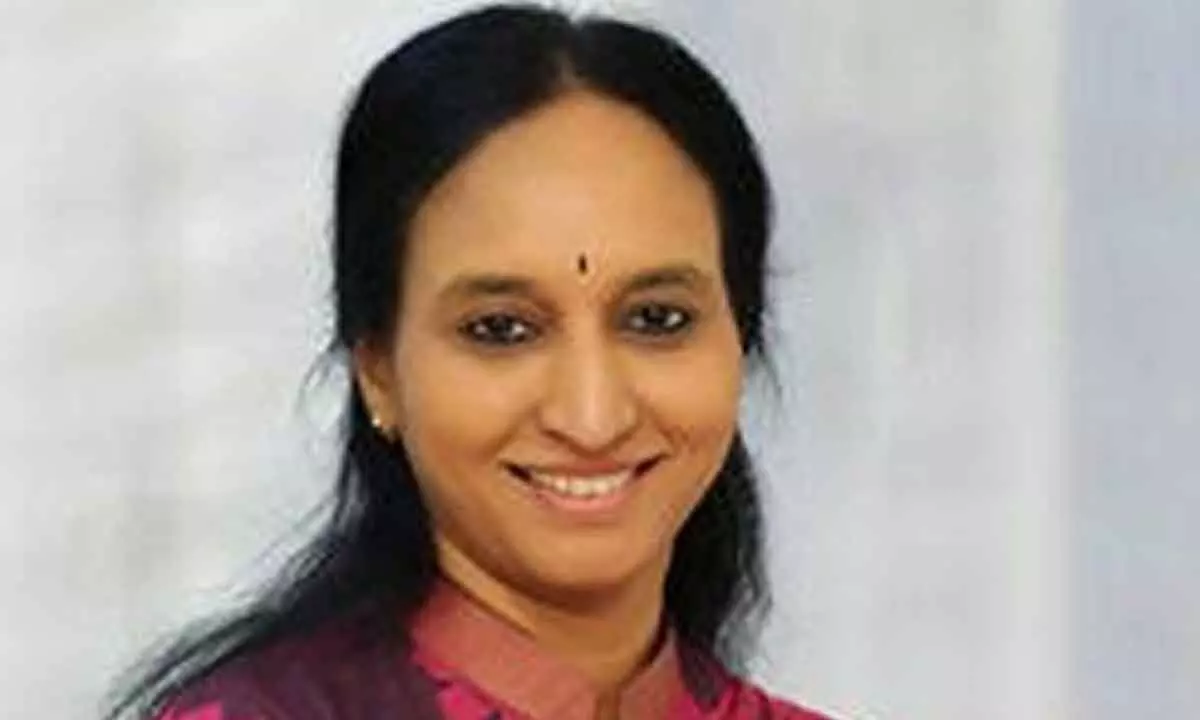
Hyderabad: In the rapidly evolving world of reproductive medicine, ovarian tissue freezing is emerging as a groundbreaking advancement that offers new hope for women facing fertility challenges. Once considered experimental, this cutting-edge technique is now gaining recognition for its ability to preserve not only a woman’s fertility but also her hormonal function.
At the forefront of this transformative field is Dr. S. Vyjayanthi, Director of MotherToBe Fertility Centre and Head of Department & Consultant Fertility Specialist at KIMS Fertility Centre, Secunderabad. With over two decades of experience in reproductive medicine, Dr. Vyjayanthi has consistently been at the leading edge of innovations in fertility care.
What is Ovarian Tissue Freezing?
Ovarian tissue freezing, also known as ovarian tissue cryopreservation, involves surgically removing a small piece of ovarian tissue, freezing it, and preserving it for future use. Unlike egg freezing, which requires hormone stimulation and egg retrieval, ovarian tissue freezing can be performed immediately and is particularly suitable for patients who cannot delay treatment—such as those newly diagnosed with cancer.
When the patient is ready to conceive, the thawed tissue can be reimplanted, restoring ovarian function and potentially leading to natural conception. Globally, this technique has already resulted in more than 200 live births, a number that continues to grow as clinical expertise and technology advance.
Dr. Vyjayanthi on Why This Matters
“Egg freezing is well-known today, but ovarian tissue freezing is the next frontier,” says Dr. Vyjayanthi. “It is especially valuable for young cancer patients, girls who haven’t reached puberty, or women at risk of premature ovarian insufficiency. By preserving ovarian tissue, we are not only safeguarding future fertility but also protecting hormonal health.”
She explains that the tissue contains thousands of immature eggs, giving patients an opportunity to restore their fertility later in life. “For women who don’t have the time to undergo conventional ovarian stimulation, this is a lifeline,” she adds.
Who Can Benefit from Ovarian Tissue Freezing?
While initially developed for cancer patients, the applications of ovarian tissue freezing are expanding:
Young cancer patients about to undergo chemotherapy or radiotherapy.
Prepubertal girls who are not candidates for egg or embryo freezing.
Women with genetic conditions such as Turner syndrome or Fragile X premutation.
Patients with autoimmune diseases requiring aggressive treatments.
Women at risk of early menopause due to family history or medical conditions.
“This is not just about having children,” emphasizes Dr. Vyjayanthi. “It is about preserving options, dignity, and long-term health.”
The Indian Context
In India, awareness of fertility preservation is still in its early stages. Social egg freezing has seen a rise in urban centers, but ovarian tissue freezing remains relatively under-discussed. Dr. Vyjayanthi believes this will change as more clinicians and patients understand its potential.
“India has the clinical expertise and infrastructure to adopt these advanced technologies,” she says. “What we need is greater awareness among oncologists, pediatricians, and gynecologists to refer patients at the right time. Early intervention is crucial.”
Ethical and Emotional Considerations
Beyond technology, ovarian tissue freezing touches on deeply personal and ethical dimensions. It offers hope to young women facing life-altering diagnoses and reassures families that future parenthood is still possible.
“The emotional empowerment this provides cannot be overstated,” Dr. Vyjayanthi notes. “It gives patients and their families a sense of control during one of the most difficult times in their lives.”
Looking Ahead: The Future of Fertility Preservation
As research progresses, scientists are working on in-vitro maturation (IVM) of eggs from ovarian tissue, which could eliminate the need for reimplantation and further enhance safety for cancer survivors.
Dr. Vyjayanthi sees a future where ovarian tissue freezing becomes as common as egg freezing. “The possibilities are expanding every year. This is the future of fertility preservation, and India must be ready to embrace it,” she concludes.
About Dr. S. Vyjayanthi
Dr. Vyjayanthi is an internationally trained fertility specialist with MD, DGO, DNB, MRCOG, MSc (Embryology, UK), and CCT (UK) qualifications. She has performed over 10,000 IVF cycles and is among the few specialists in India to hold sub-specialty accreditation in Reproductive Medicine and Surgery from the Royal College of Obstetricians and Gynecologists (RCOG), UK.
At MotherToBe Fertility Centre and KIMS Fertility Centre, she leads a team dedicated to providing ethical, transparent, and personalized fertility care.